Education

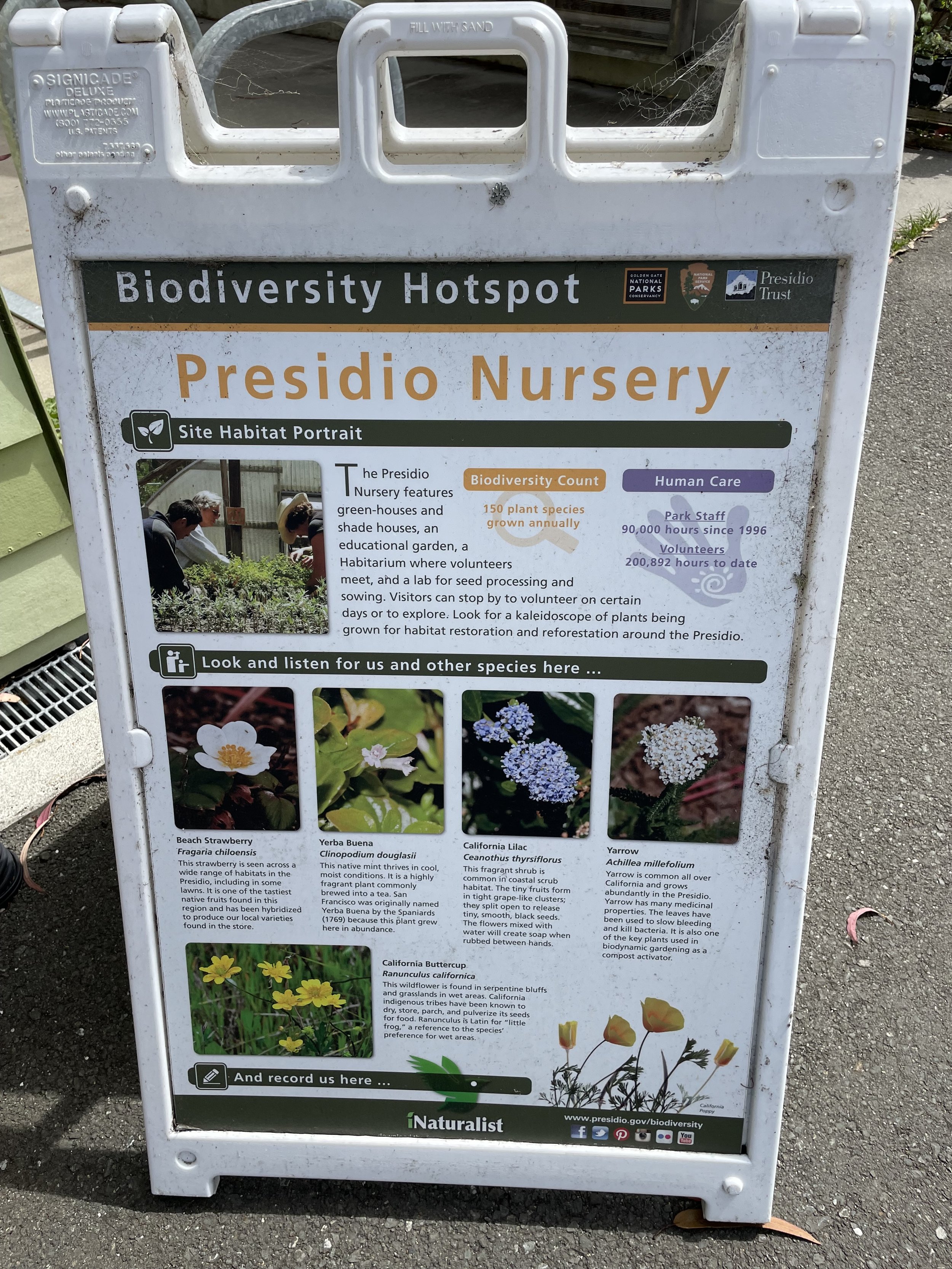
Biodiversity hot spot grows 150 native species each year for Golden Gate National Parks

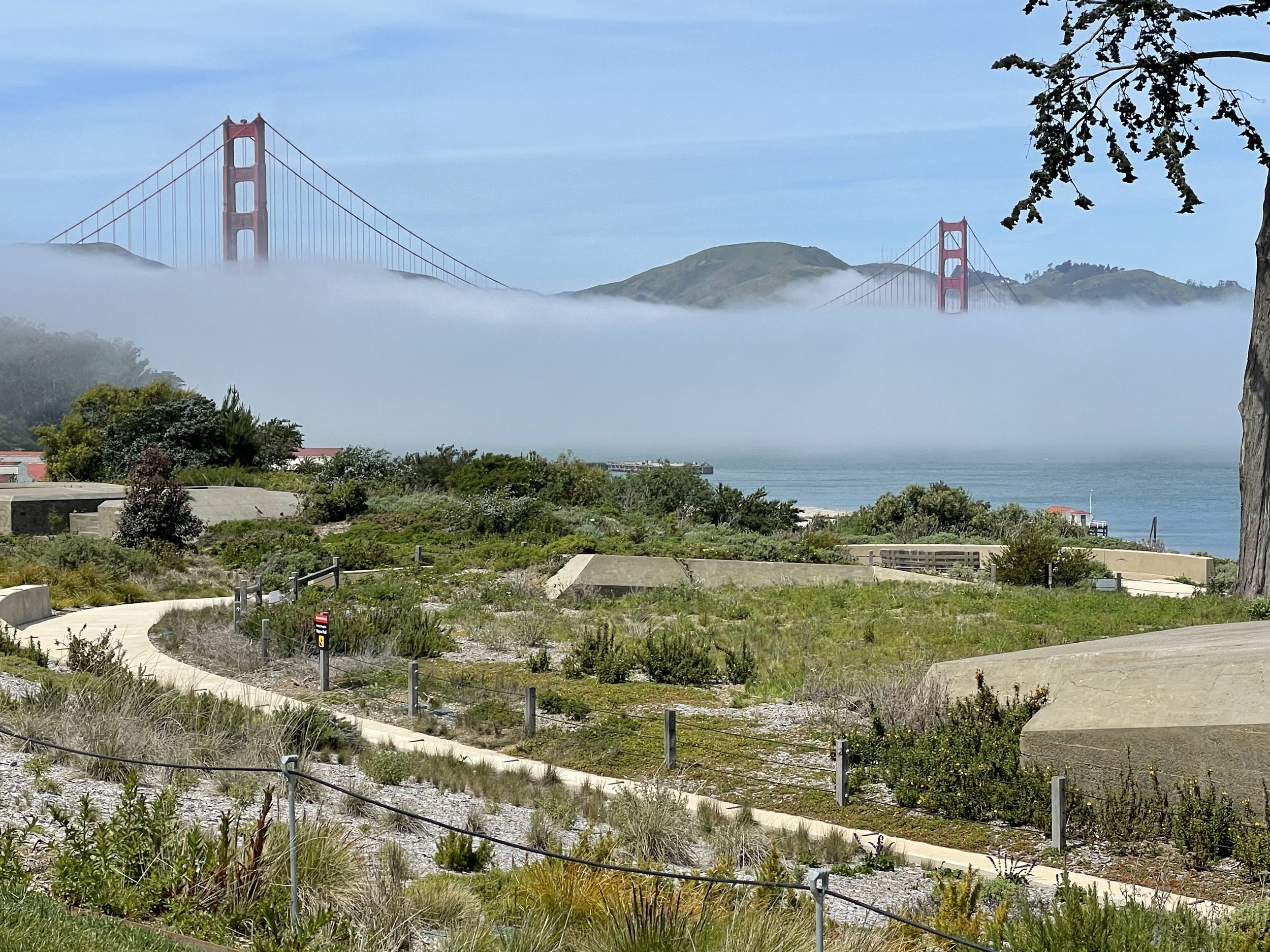
Since 1981, the Golden Gate National Parks Conservancy has served as the nonprofit partner of the National Park Service, collaborating with the Presidio Trust, partners, donors, and the community to support the Golden Gate National Recreation Area (GGNRA). The GGNRA stretches across three Bay Area counties, north and south of the Golden Gate Bridge, and includes iconic places such as Muir Woods National Monument, Fort Point National Historic Site, Alcatraz Island, Crissy Field, Mori Point, Lands End, and the Presidio of San Francisco.

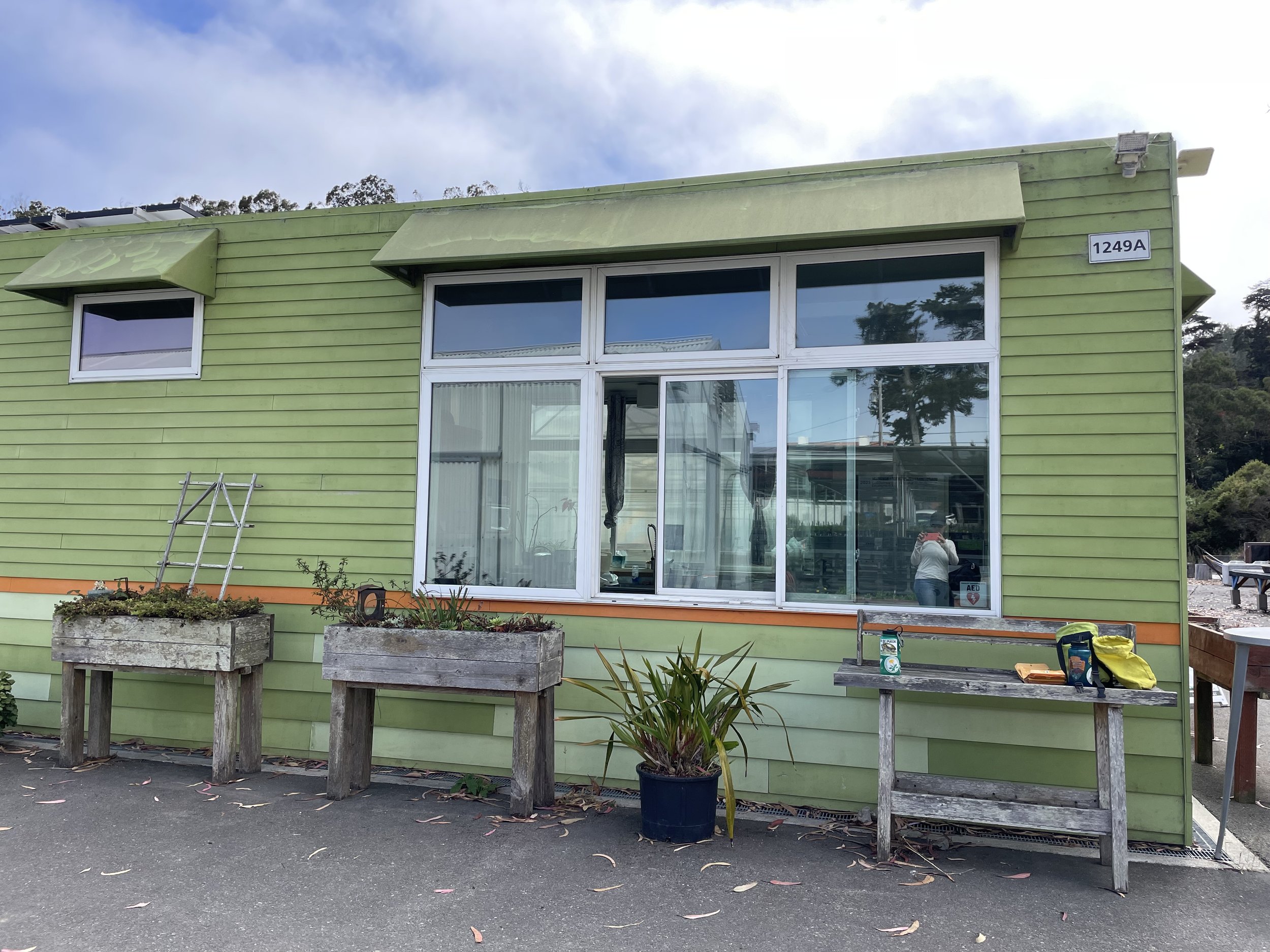
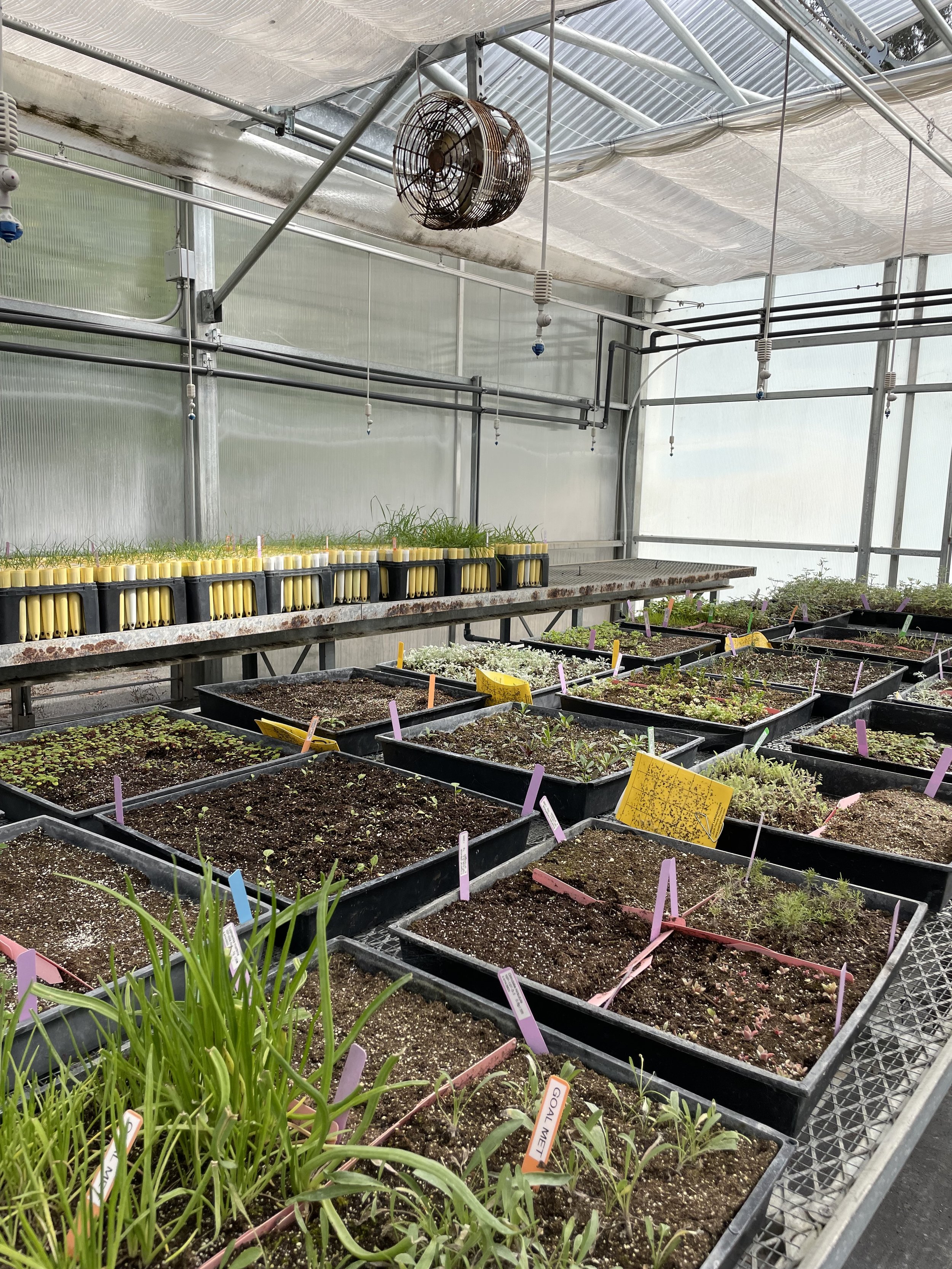
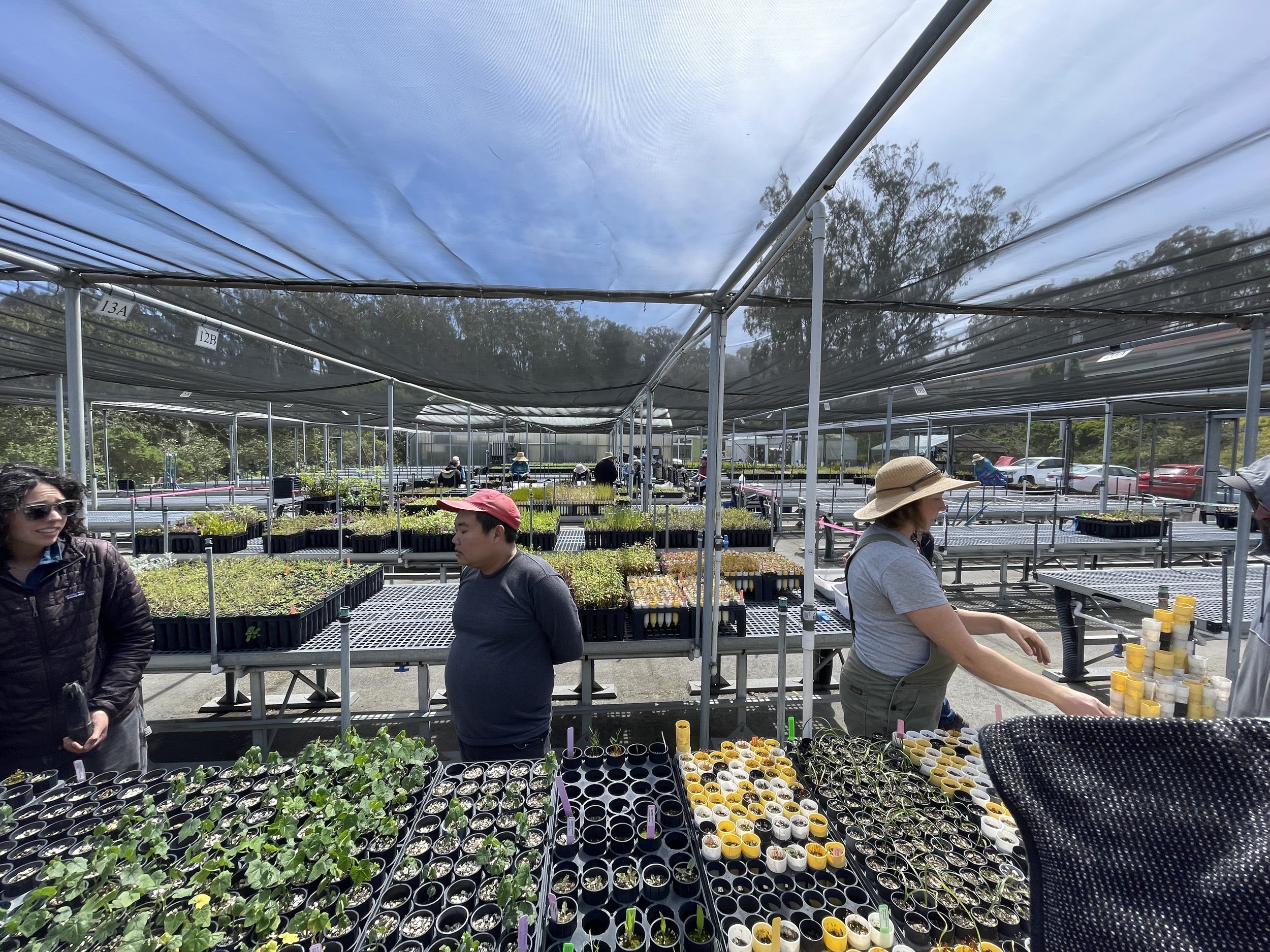
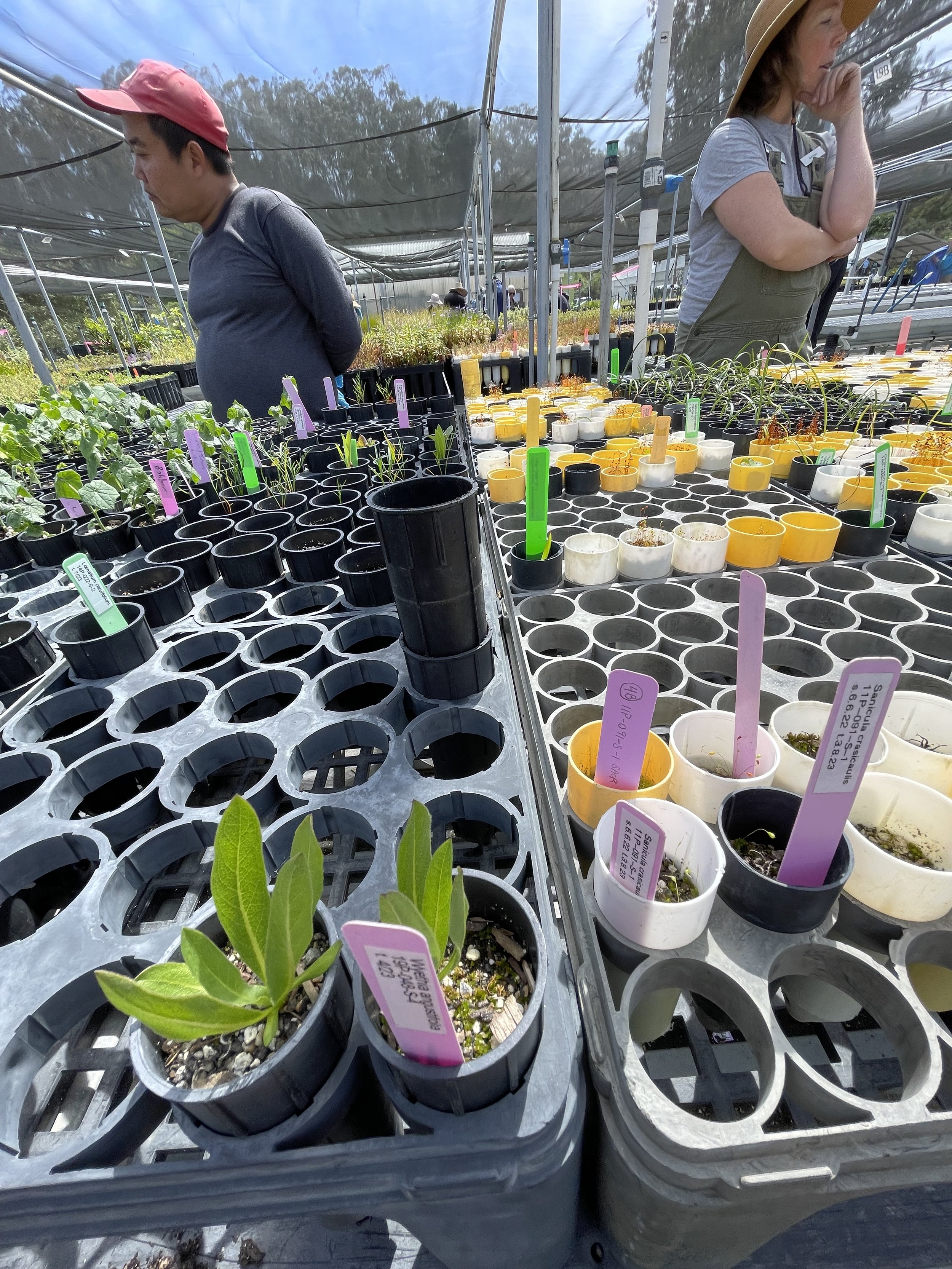
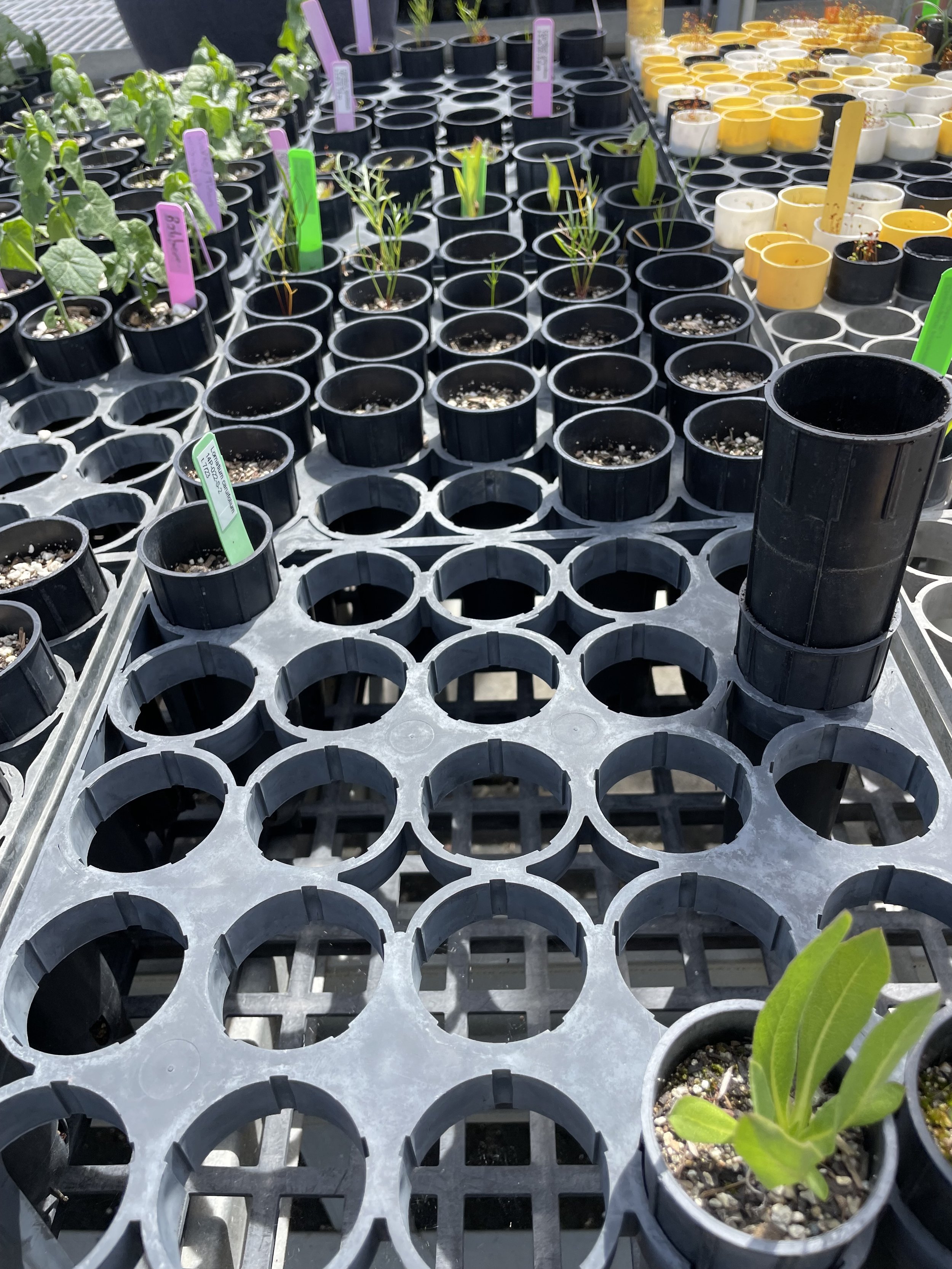
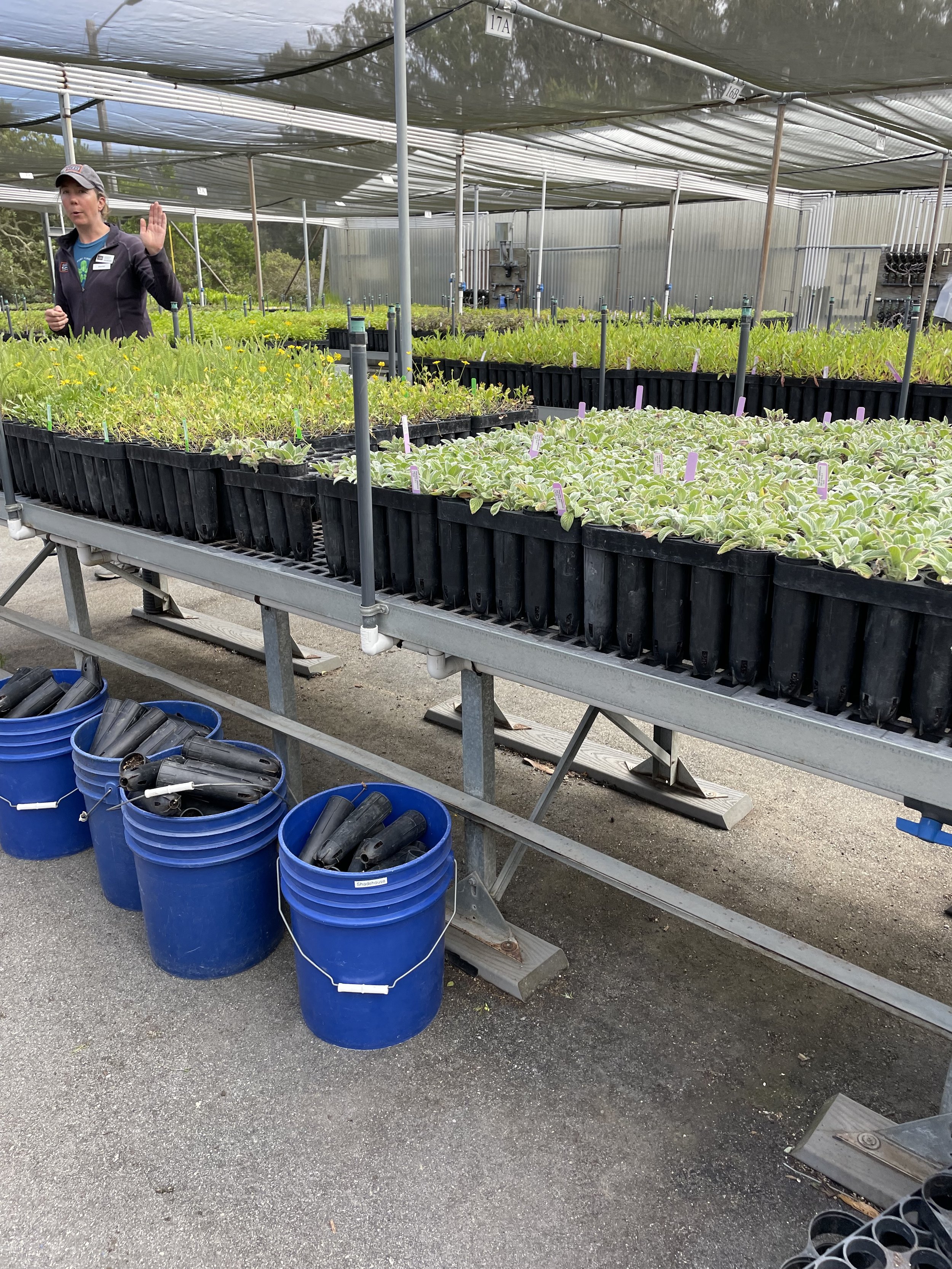
I volunteer with park staff at the nursery’s indigenous species greenhouses, shade houses and lab for seed processing and sowing.

Presidio Nursery is a cooperative program of Golden Gate National Parks Conservancy, National Parks Service, and Presidio Trust.

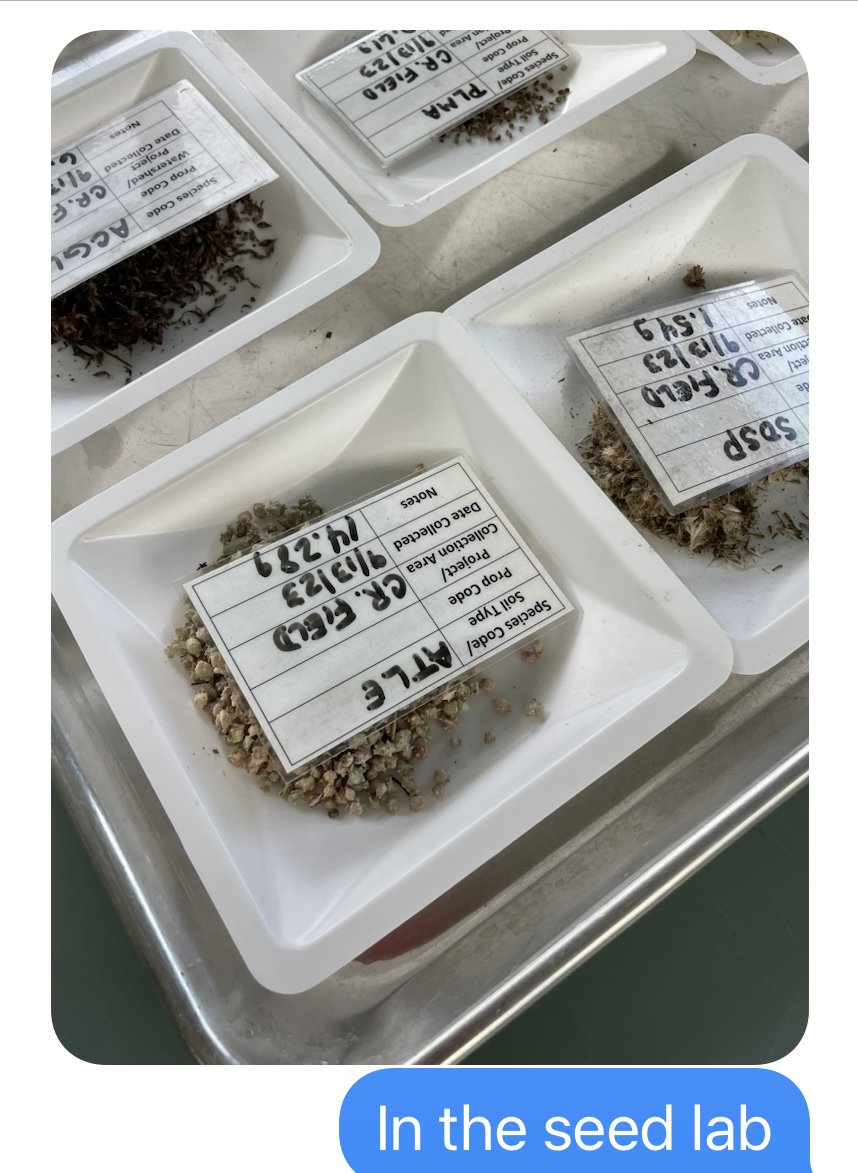
Since September 2023, I have done transplanting, pruning, and pot washing and look forward to work in the seed lab during winter 🥼 🌱

These are some of the other tasks available for volunteers at the Presidio Nursery:

  • seed collection

  • seed cleaning

  • transplanting

  • pruning

  • weeding

  • composting

  • pot washing

  • nursery maintenance

  • care of an educational garden

The Presidio is a haven for more rare species per acre than all national parks including Yosemite and Yellowstone.

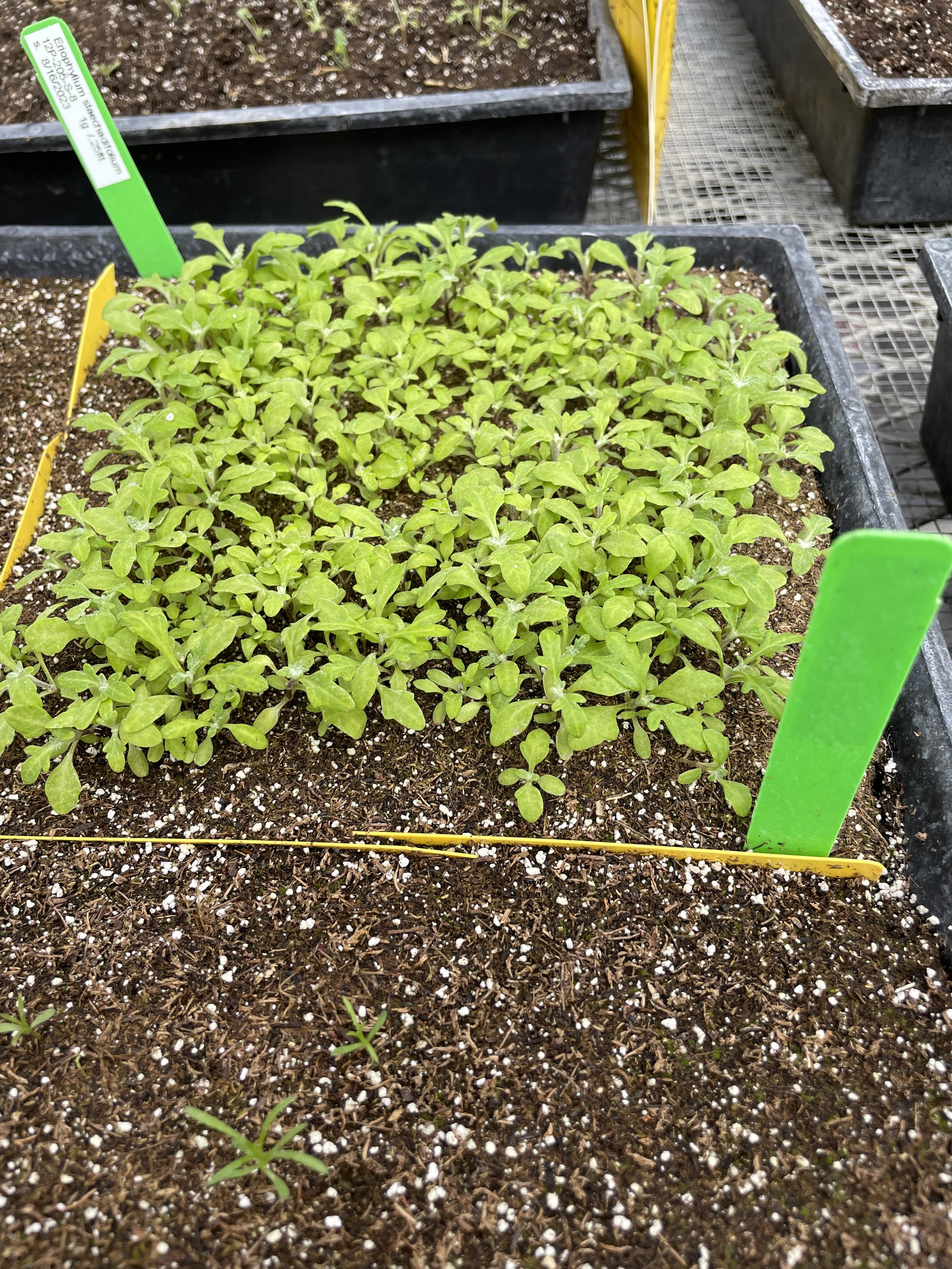
This international biodiversity hot spot grows 150 plant species and 150,000 plants a year for habitat restoration and reforestation around the Presidio and other parks.

Among other places, you can enjoy their plants at the new Tunnel Tops park at Speaker Nancy Pelosi Plaza. Thanks to Pelosi’s initiative to save the Presidio for the people, the Presidio was designated a National Park 30 years ago.

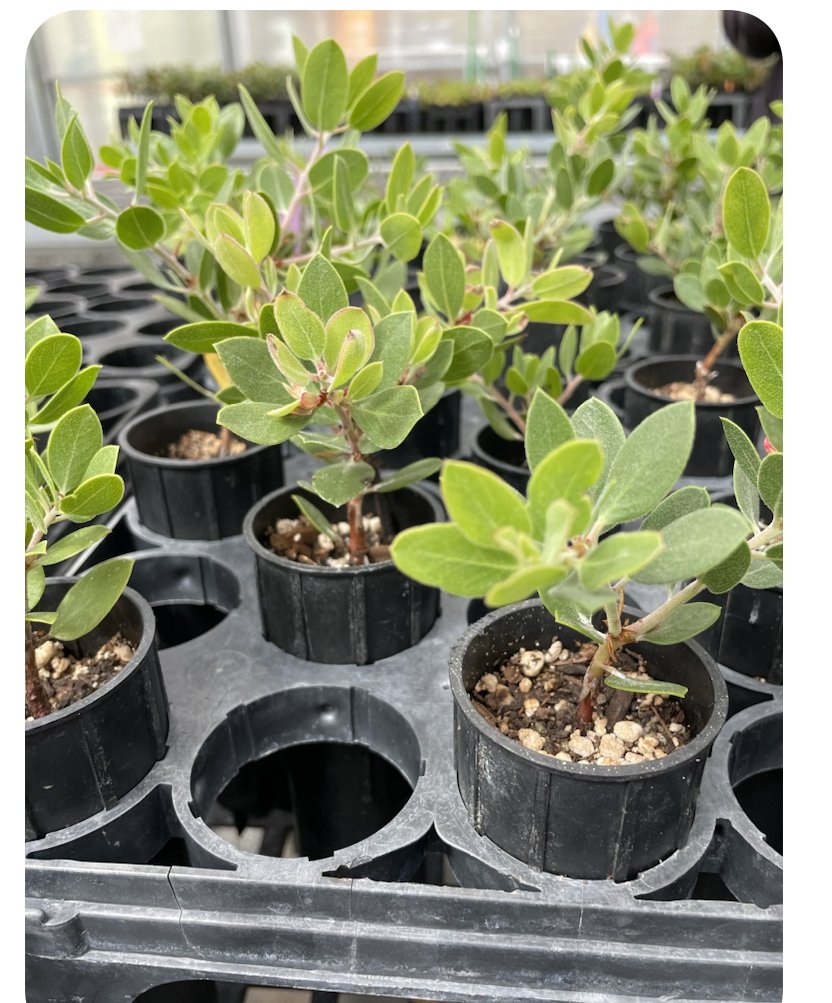
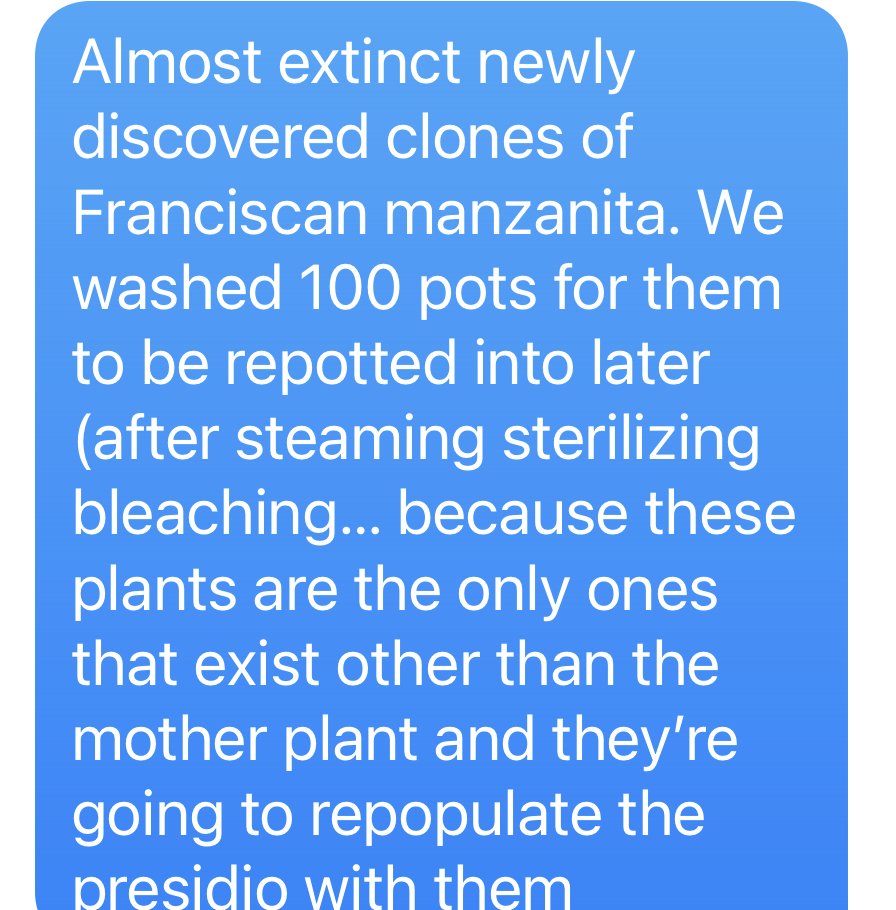
Repopulating the Presidio with almost-extinct manzanita clones one afternoon.

One afternoon we handled newly discovered Franciscan manzanita that had been cloned for repopulating the Presidio with the species. We washed 100 pots for them to be repotted into later (after steaming, sterilizing, bleaching) these plants are the only ones that exist other than the mother plant.

My diversity is formative

This extracts the elements of my diversity from a first person essay I wrote on how my diversity was formed.

  1. Cultural Background:

    • Raised in a progressive hometown that was a Civil Rights hotbed, with a strong anti-Establishment and countercultural influence.

  2. Racial and Ethnic Exposure:

    • Grew up in an integrated school district, with diverse classmates and teachers from BIPOC and AAPI communities.

  3. Gender and Feminism:

    • Steeped in inclusive language and feminist instinct from an early age, navigating and challenging sexism throughout life and career.

  4. International Experience:

    • Lived and worked in numerous American cities and other countries like Italy, Malaysia, Turkey, gaining insights into different cultures and social norms.

  5. Socio-Economic Background:

    • Experienced the challenges of a lower socio-economic upbringing, providing a unique perspective on privilege and systemic inequality.

  6. Religious and Spiritual Diversity:

    • Studied transcendental meditation with the Maharishi Mahesh Yogi at the age of 9, embracing spiritual practices uncommon among peers.

  7. LGBTQIA+ Community Involvement:

    • Lived in an almost exclusively LGBTQIA+ environment for eight years, fostering deep connections and understanding of LGBTQIA+ issues.

  8. Disability and Health Awareness:

    • Inherited sensitivity towards disability and health challenges through familial experiences, notably a father with significant health and social obstacles.

Crazy Rich Asians & the impact of my work: I helped save an architectural gem in Southeast Asia

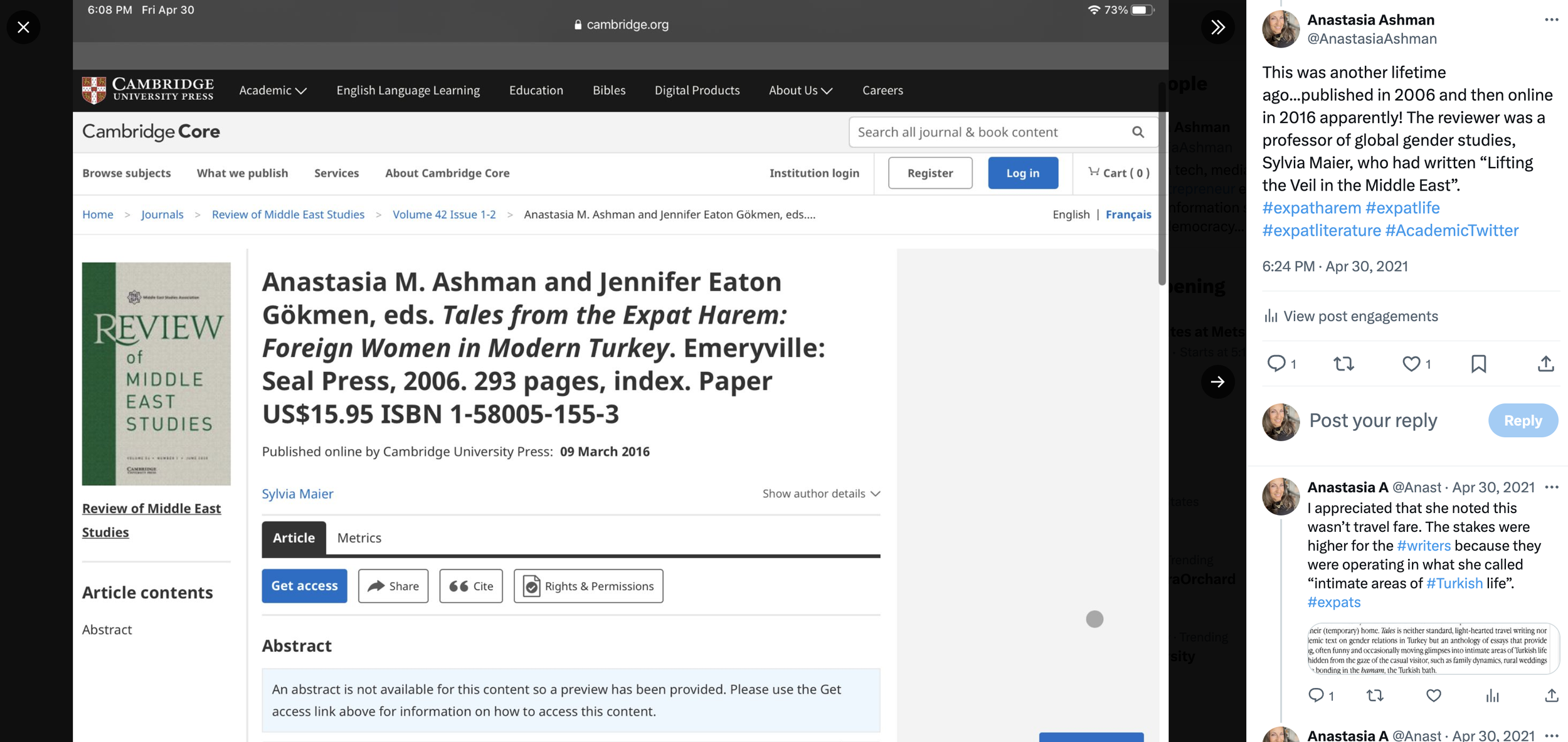
Remembering the time when I conceived, pitched, wrote, sold, published a three page story in a top newsweekly magazine out of Hong Kong that highlighted a historical building at risk from nearby development to 93,000 elite members of government, business and the arts.

The article had impact.

The year after the article was published, the building won a newly created UNESCO Heritage Award.

To promote the conservation of the greatest diversity of the region’s built heritage, in the year 2000 UNESCO inaugurated the annual Asia-Pacific Awards for Cultural Heritage Conservation, a program designed to respond to the question: “Within the realities of contemporary, fast-track development, what of the built heritage do Asians value and want to preserve from the past to inform the region’s place in the global future?”

In 2018 you saw this historic property in the film Crazy Rich Asians, which used it as a setting.

You know it from Crazy Rich Asians. I championed its story in 1998.

Video retrospective of GlobalNiche, my remote skills edtech startup 2011-2013 and beyond...

Her groundbreaking concept of building an online professional presence as a way to advance business objectives for growth and sustainability… came long before companies understood the marketing potential of online social media, and began to hire social media managers in large numbers. And long before people understood why and how to use existing tools for effective remote work.
— Tanya Monsef

I founded GlobalNiche in Istanbul with Tara Agacayak after evolving my 2006 cultural book to a 2010 global citizen blog to an online skill building business, and Tanya Monsef joined us when I moved to San Francisco. Here’s what Tanya, the Dean's Executive Professor of Management in the Leavey School of Business at Santa Clara University for the past decade, says about GlobalNiche in 2024.

Watch a quick retrospective, excuse any missing media.


"Anastasia’s groundbreaking concept of building an online professional presence as a way to advance business objectives for growth and sustainability… came long before companies understood the marketing potential of online social media, and began to hire social media managers in large numbers. And long before people understood why and how to use existing tools for effective remote work.

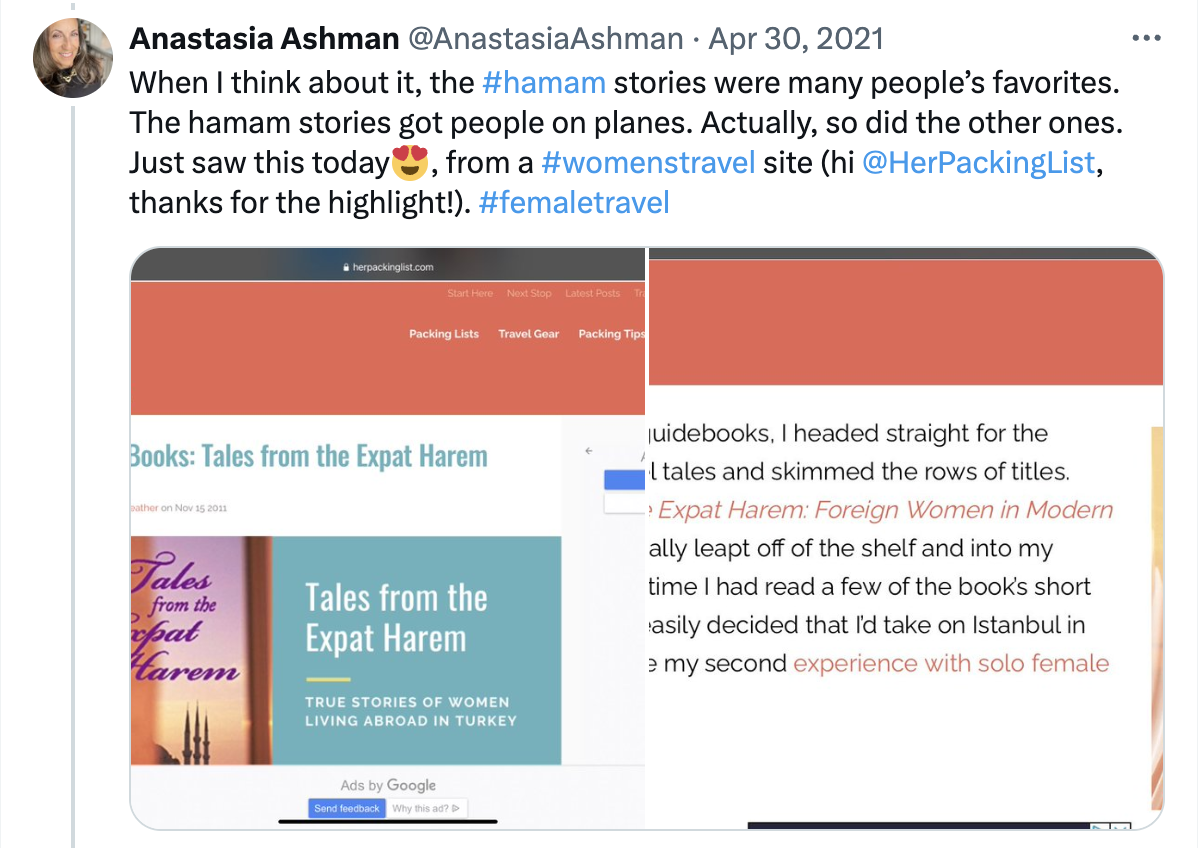
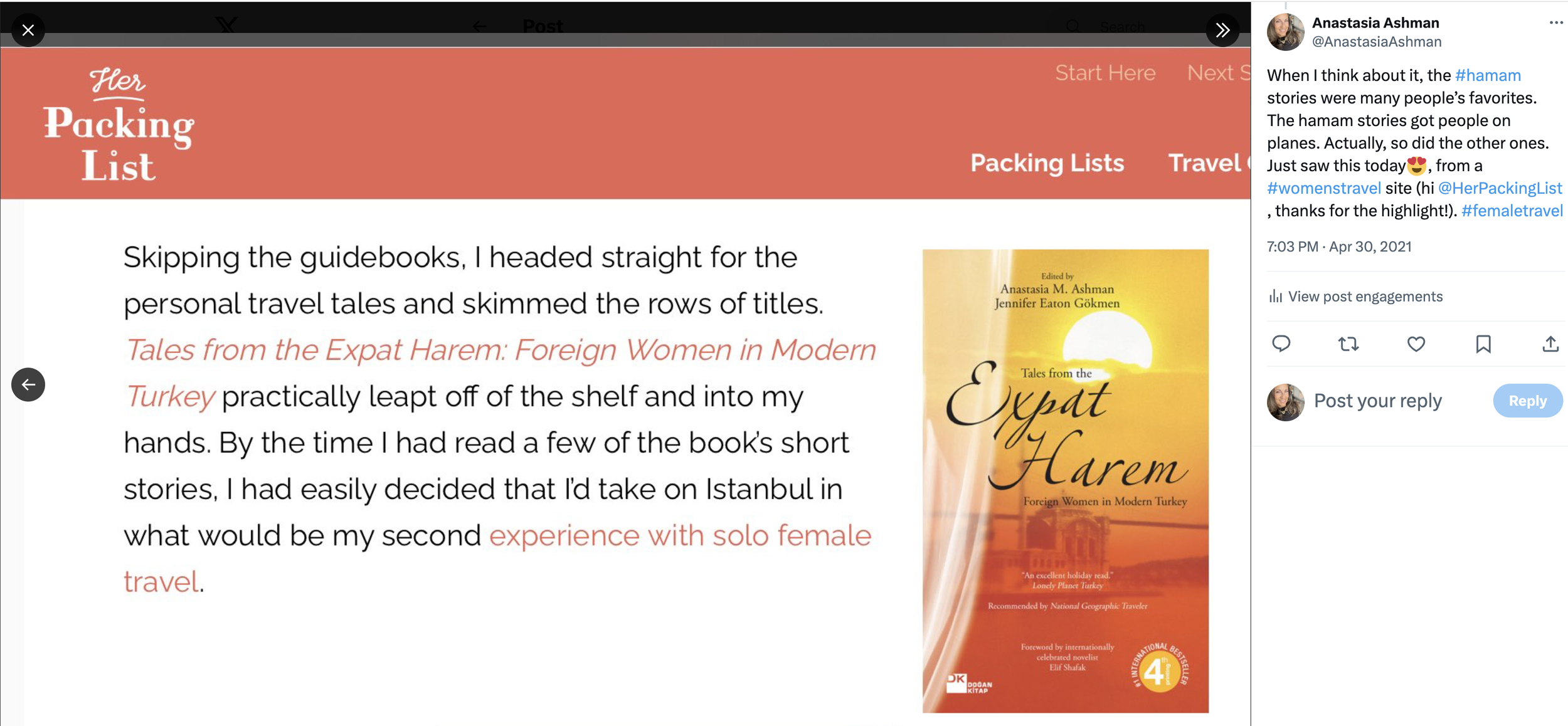
Tanya recalls how I took my knowledge and prior success using book publishing’s “author platform” concept to reach the public with content marketing, branding and community outreach (that’s Expat Harem!), and combined it with the heavily-online techniques a serial expat like me has relied on during my overseas experiences, and then how I created a way to teach it to others, and then to scale it.

"GlobalNiche was a forward-thinking leader in digital solutions and thought leader to a global cohort of founders and business women, as well as organizations serving female innovators.”

This reminds me that Tanya and I continued to deliver talks and workshops well into 2014 and later, working with the Women’s Startup Lab in Mountain View, Turkish Women’s International Network in Menlo Park, and a women executives group at Cisco in San Jose, and I’ve guest lectured to her business students at Santa Clara University for several years.

“Ten years before Zoom became mainstream, GlobalNiche were already conducting live web video group meetings (using chat, recordings, etc) showcasing an ability to foresee trends and implement innovative solutions to increase opportunity.
— Tanya Monsef

"Ten years before Zoom became mainstream, GlobalNiche were already conducting live web video group meetings (using chat, recordings, etc) showcasing her ability to foresee trends and implement innovative solutions to increase opportunity,” she says.

"GlobalNiche was awarded Top Instructor by Udemy in 2013 as the most enrolled course.” You’ll see in the quick video above that Udemy noted we enrolled students from 17 nations in 2013.

Tanya recalls our 2013 win of an innovation challenge to connect 5 million women by national and international gender equality foundations, global health nonprofits, and academic leadership centers.

The multi-year strategic change initiative of San Jose State University, Public Health Institute (PHI), World Pulse, the Global Women's Leadership Network, Monterey Institute of International Studies, and the Global Fund for Women recognized GlobalNiche's pragmatic, resourceful plan to use free web technology and collaboration tools for connecting and transforming communities world-wide.

In 2013 GlobalNiche won an innovation challenge to connect 5 million women, recognition of a pragmatic, resourceful plan to use free web technology and collaboration tools.
— Tanya Monsef

ON CONTRIBUTING TO THE FUTURE OF WORK MOVEMENT

In 2014, I looked back on the workforce pioneering I’d done during GlobalNiche, and noted how awareness and adoption was coming for people who hadn’t yet felt the need for this online survival method:

“I’m proud to have added definition to, contributed to & participated in the movement toward every-day entrepreneurial thinking and acting and creative entrepreneurship as a solution for everyone, the incorporation of location independence and lifestyle design in populations beyond expats, travelers and life hackers, a new seriousness around digital identity, personal branding, digital footprints and online social networking in general for personal and professional development, reinvisioning the future of work with online collaboration and cocreation, the adoption of global communication best practices, the absolute tidal wave of online content marketing, the rise of the transformational consumer.”

Now you can listen to KIP's Emerging Narrative...thanks to AI voice generator

Consider this audio a companion to the Bigger Picture video of various quotes I’ve collected rather than a mirror image…there’s more to this multifaceted story.

A unique curation of emergent voices describing this moment we find ourselves in.
— KIP

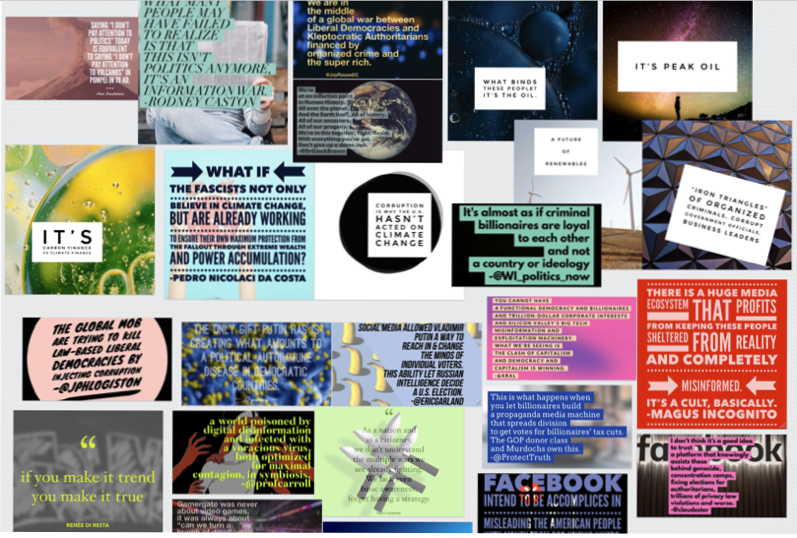
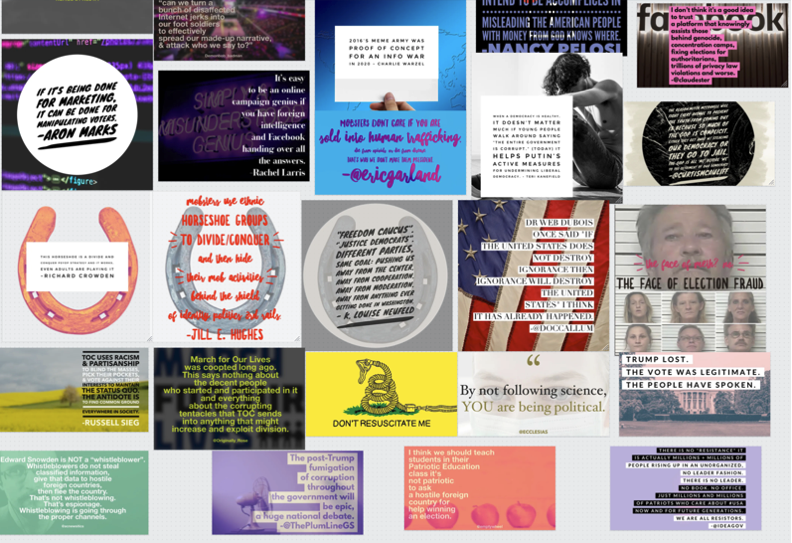
This is my first experiment with AI voice generation using a script made from individual quotes from civic participators I’ve been tracking for last past 7 years, describing this moment we find ourselves in. Quote credits in the images below and a full list to come.


2024 Progress Report: The Bigger Picture

Wearing my ‘serial founder exploring starting a company’ hat, I advanced my passion project KIP3.

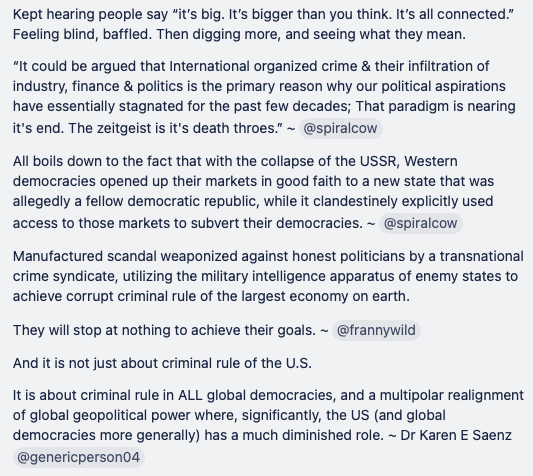
KIP is a seven-year long passion project to tackle the disinformation problem on social media that makes us poor information citizens and polarized neighbors who cannot take collective action in the face of threats like the climate crisis.

The bigger picture, in your words

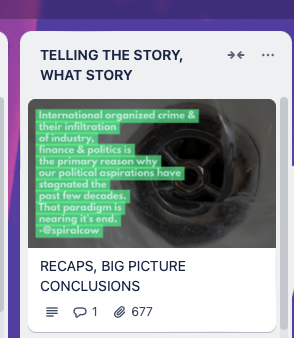
With my KIP project to make sense in the social age and surface the best civic participators - or members of “the Fifth Estate”, - I’ve been collecting the contributions on Twitter.

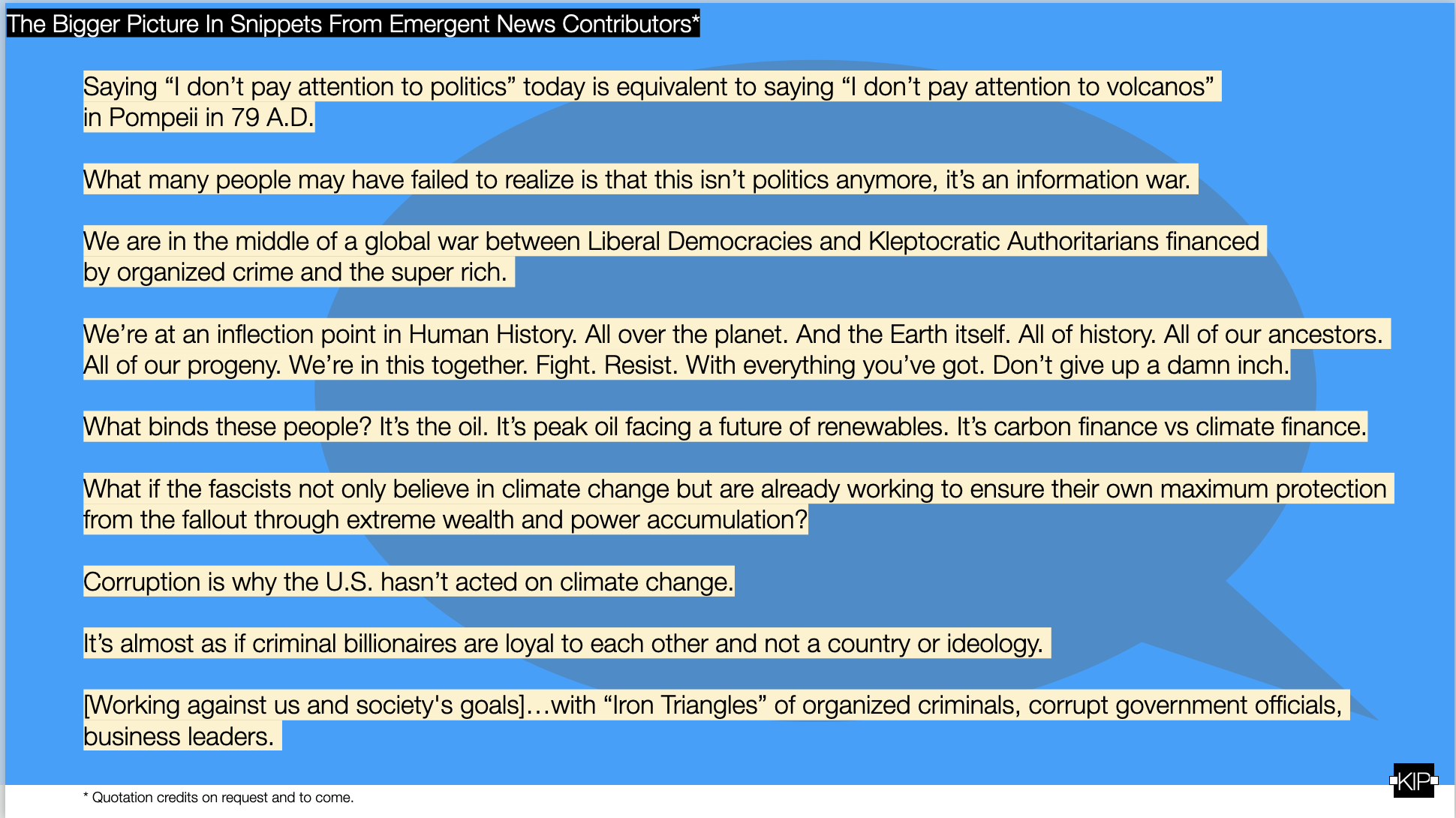
For a couple years I made graphic images of quotes I spied. I put some of them together into a larger narrative of our time, and this moment. Take a look!

Below is a short version of the narrative in the video. See the video for quote credits or read the transcript with credits here.

“The Bigger Picture” In Snippets From Emergent News Contributors Curated By KIP

"Social media has held politics and media to account"

Journalism & Backsliding Democracy was a good journalism-democracy-disinformation panel with Jay Rosen at New York University School of Journalism for the Cambridge Disinformation Summit last week.

From my live notes: “Social media has held politics and media to account,” said former director of BBC News Richard Sambrook, hitting the nail on the head!

Social media is not just part of the #disinformation problem, it’s part of the solution as I’ve been contending with my Fifth Estate-holding-power-to-account project: KIP! (Read about it here.)

The hitch: knowing which are the good actors on social media and which are the bad actors.

My live notes: Jay said we need smart practices to solve the hardest problems in news coverage, like if you had a “Category of bad actors” you could put a source in you’d be better prepared. 🤔

That sounds very much like the categorization I’ve been structuring with KIP.


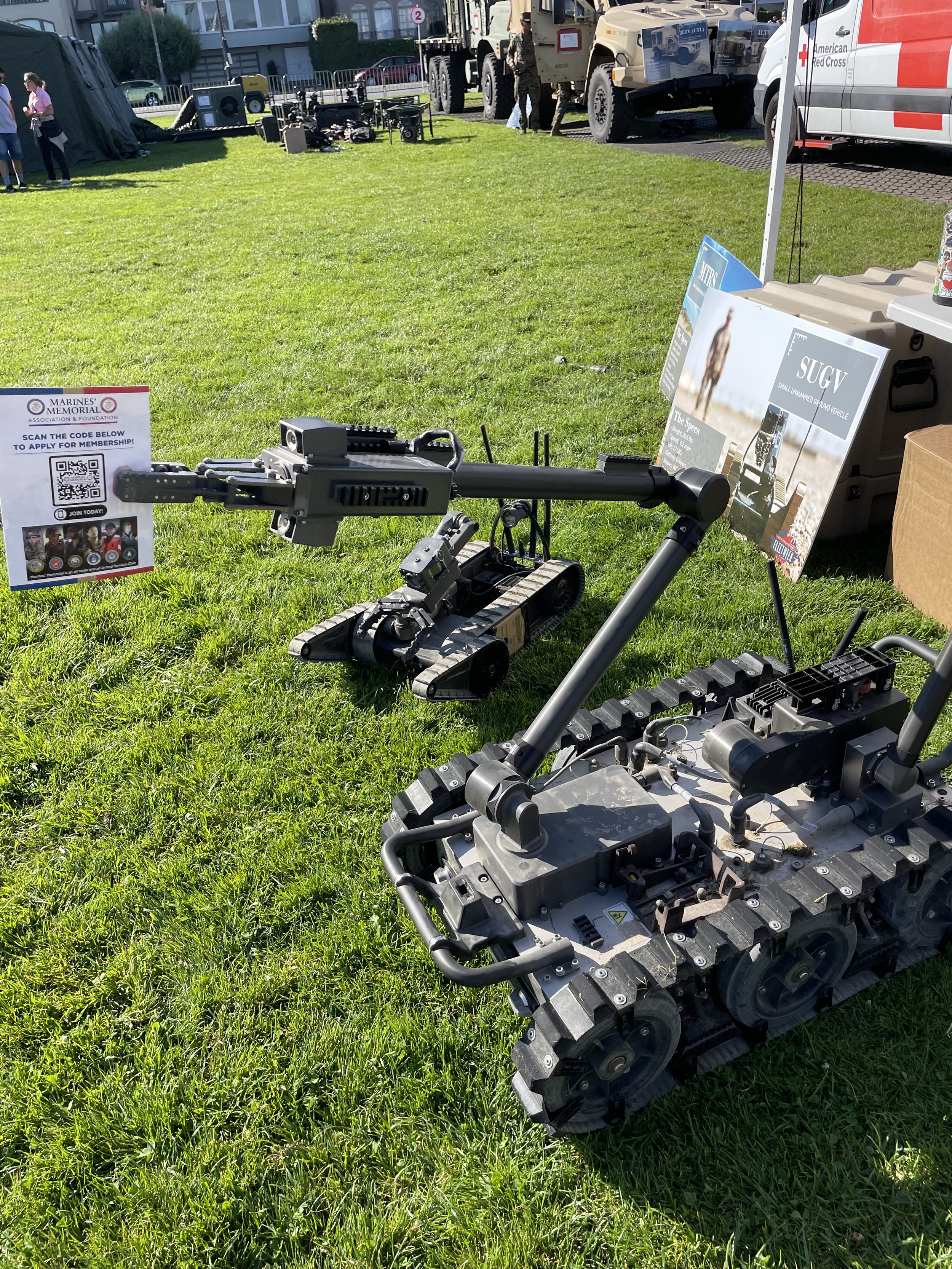
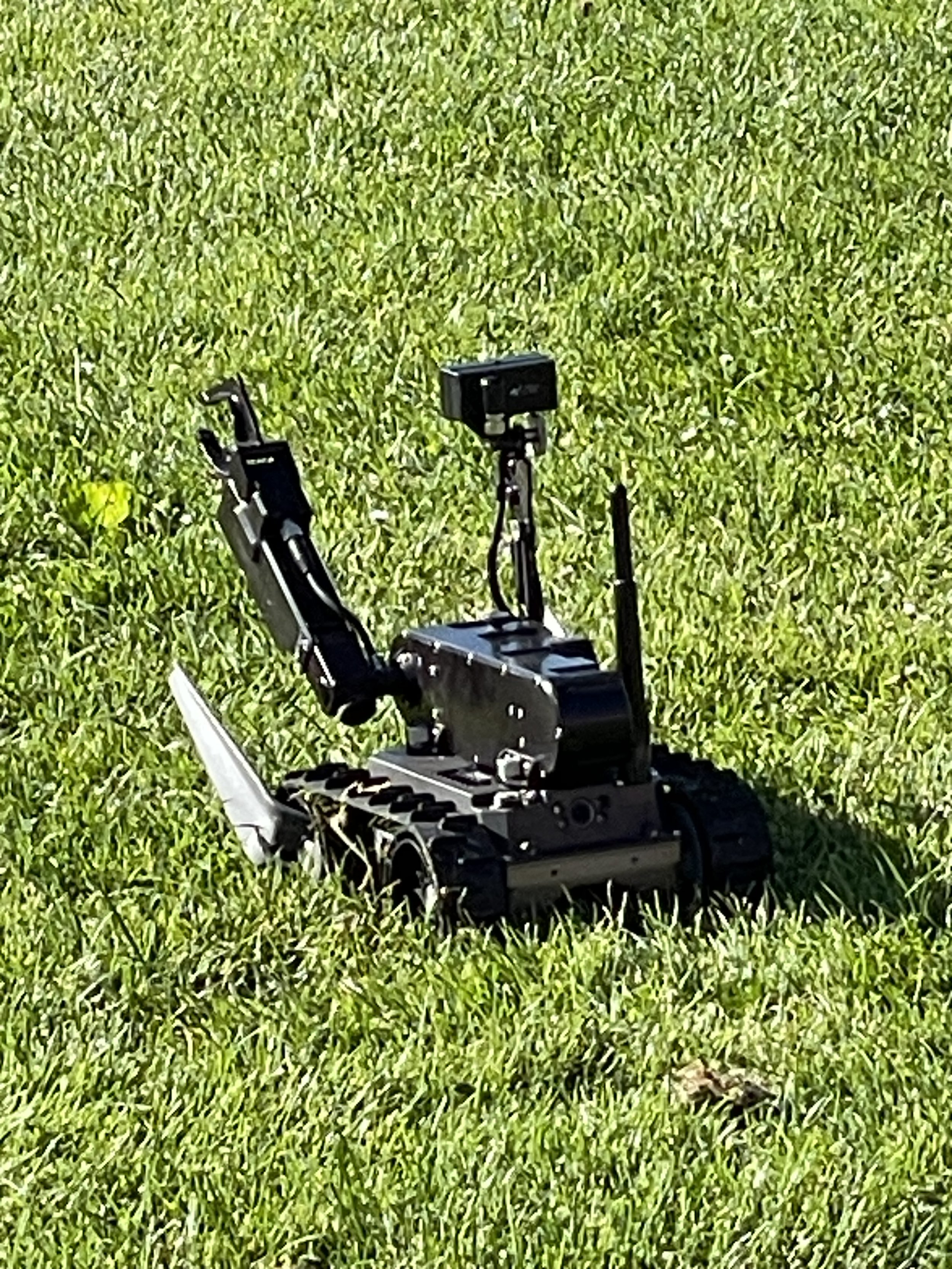
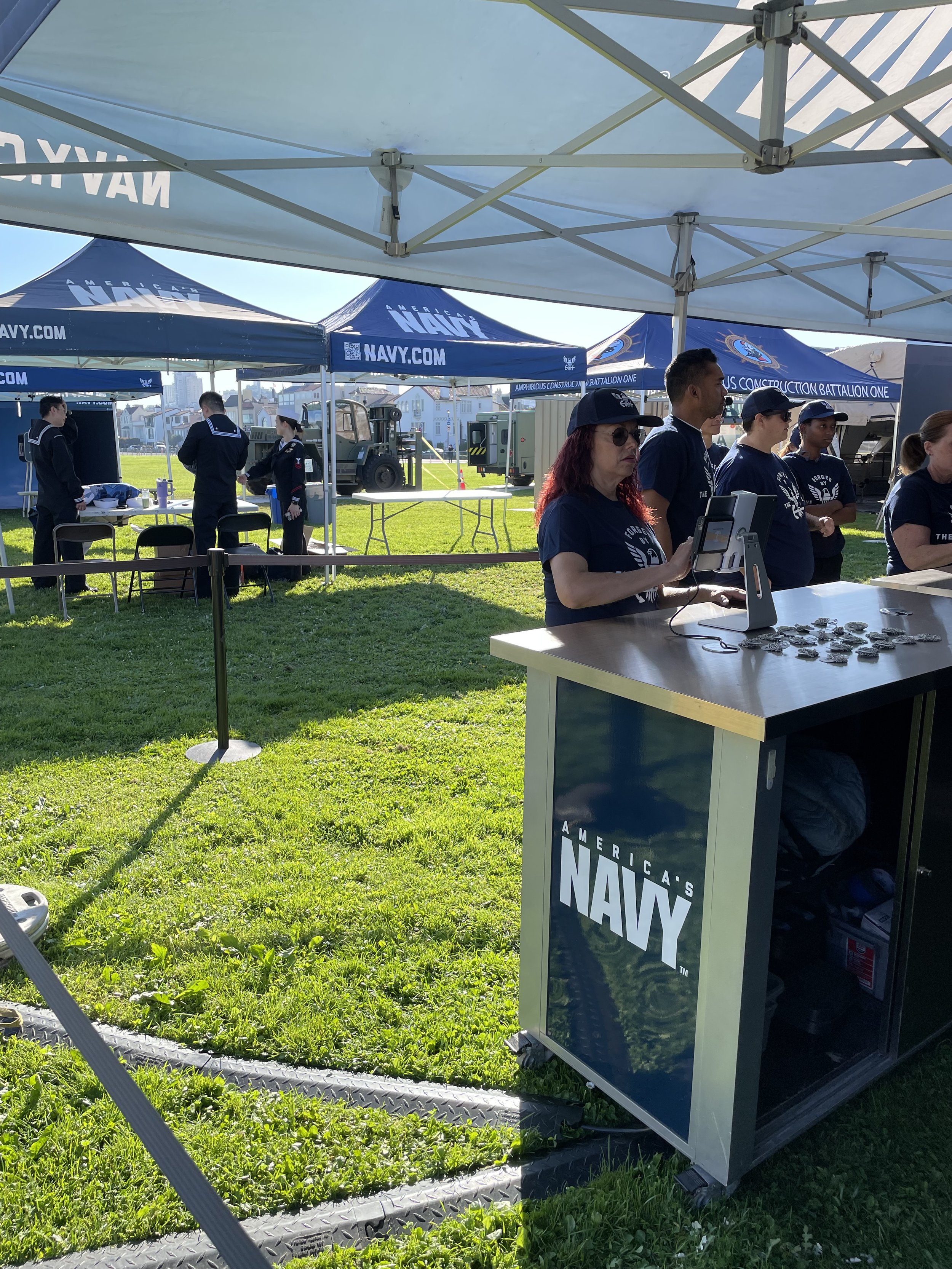
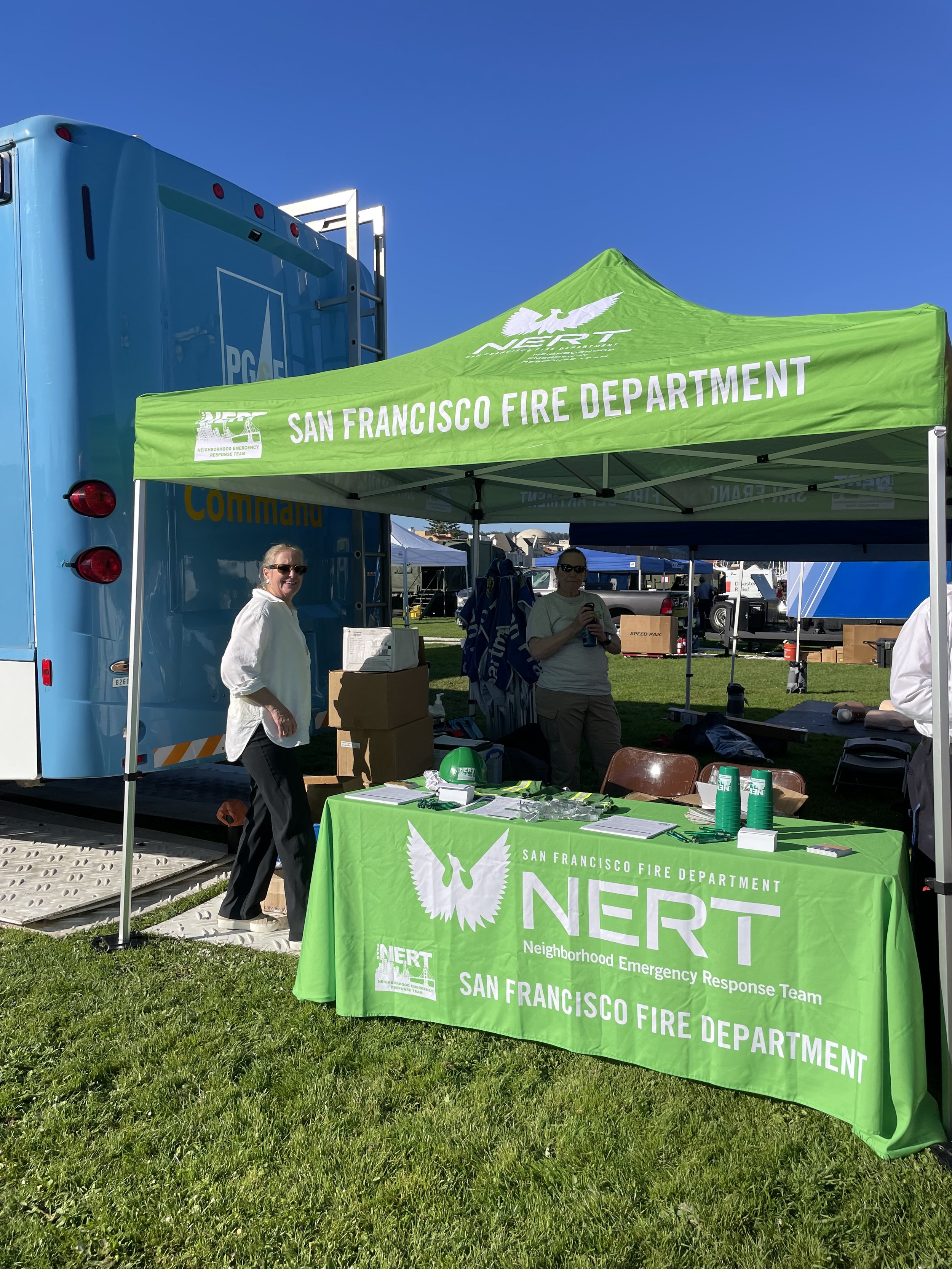
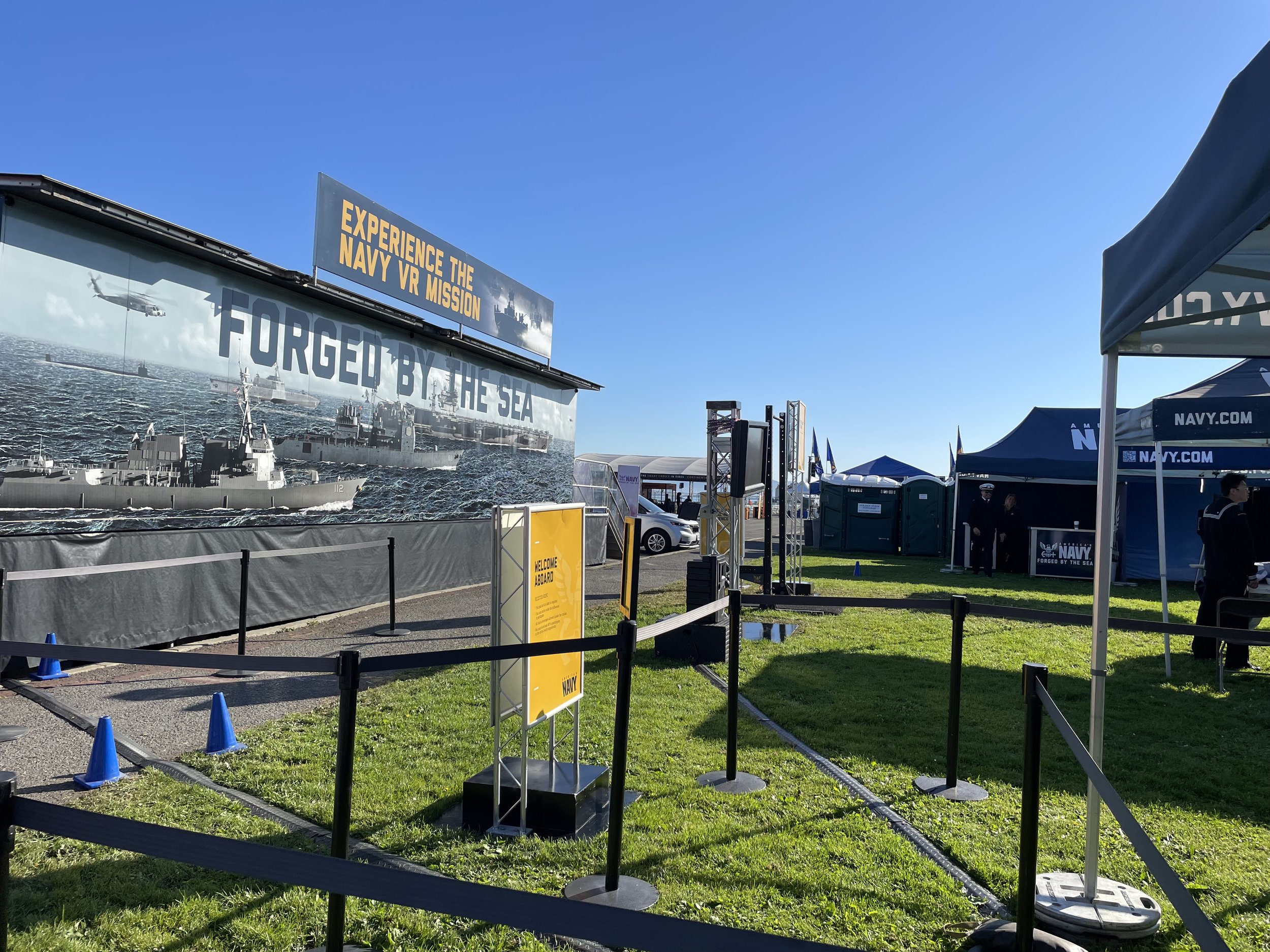
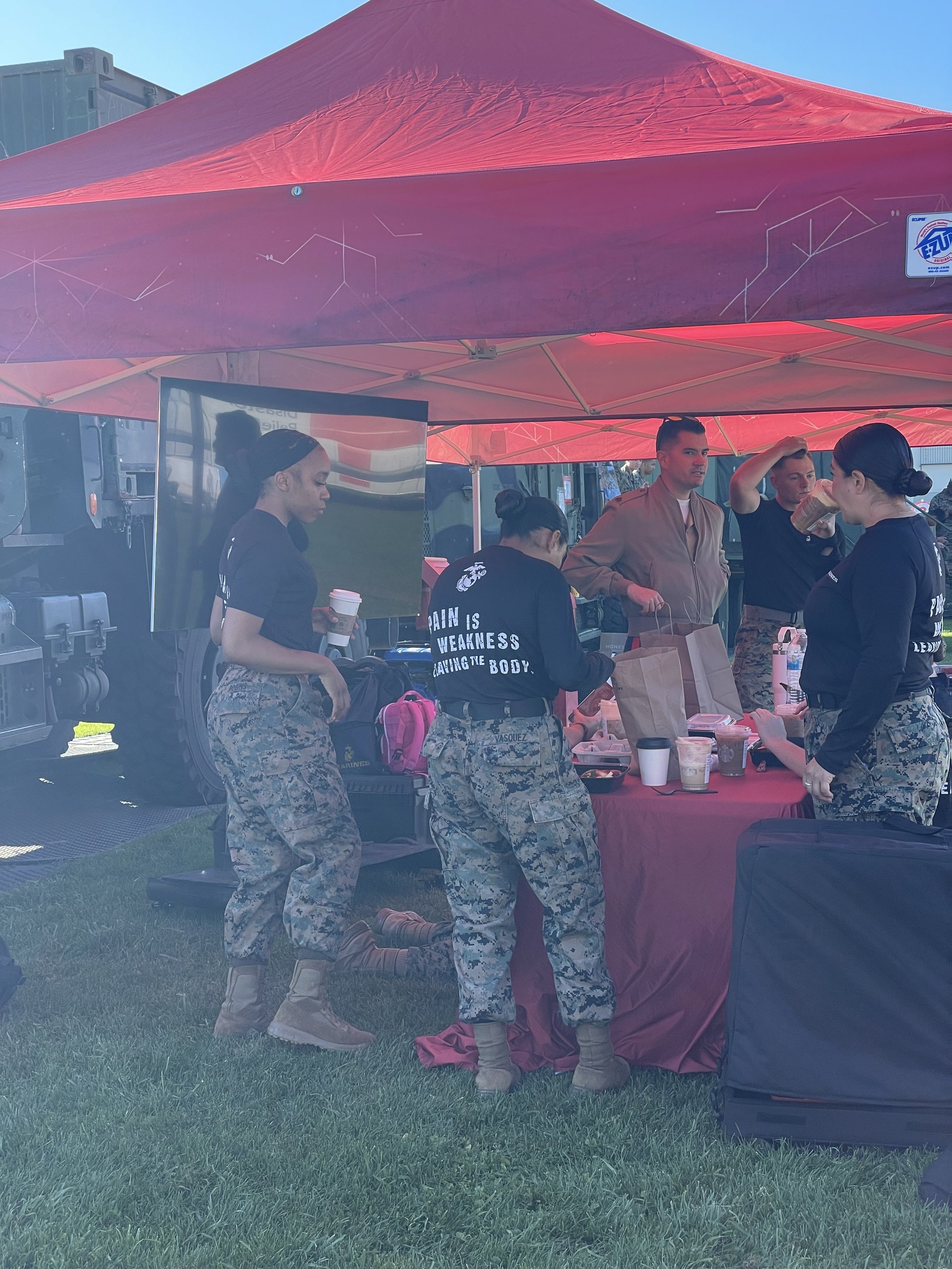
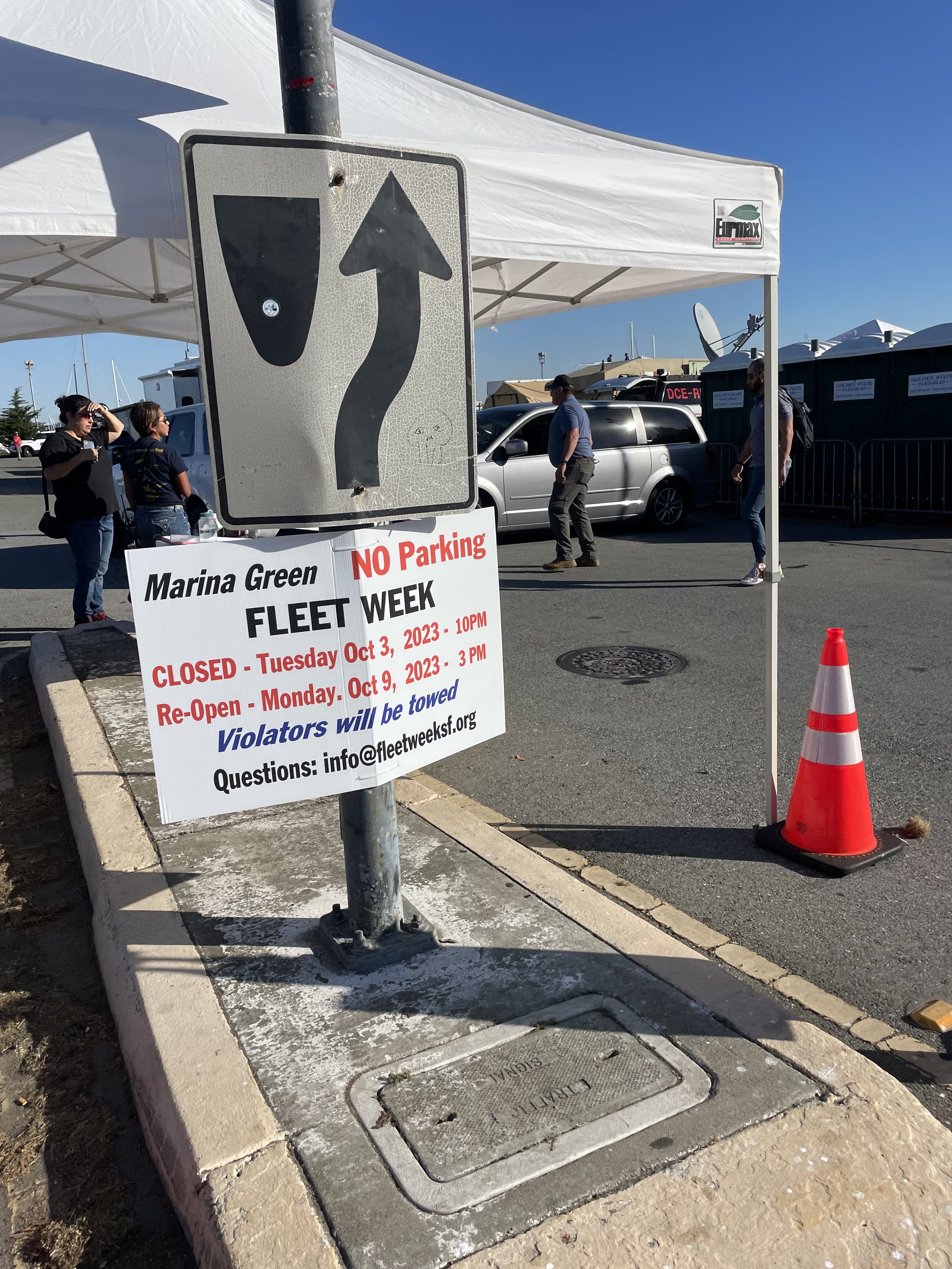
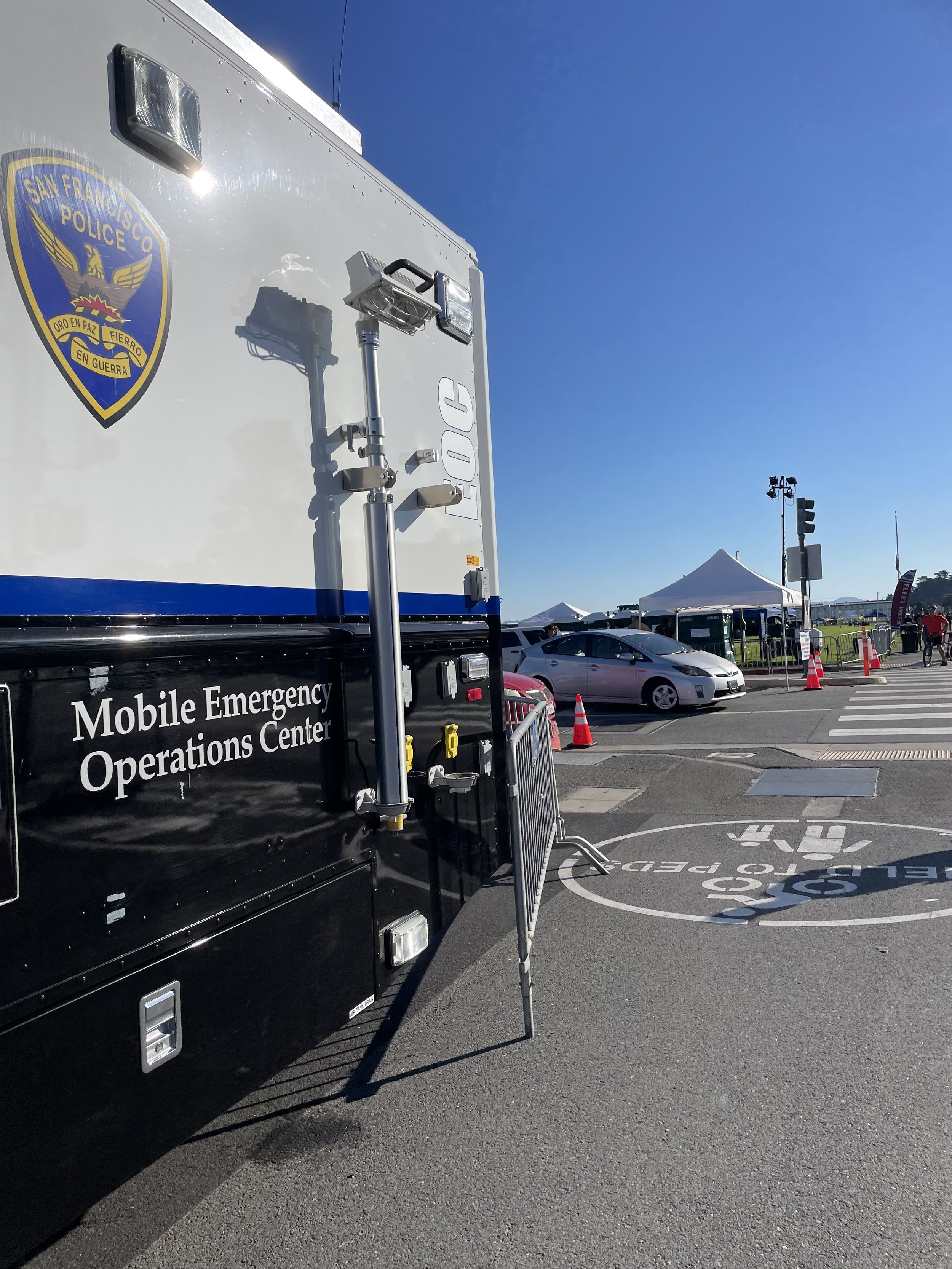
Fleet Week is a jobs fair and experiential museum

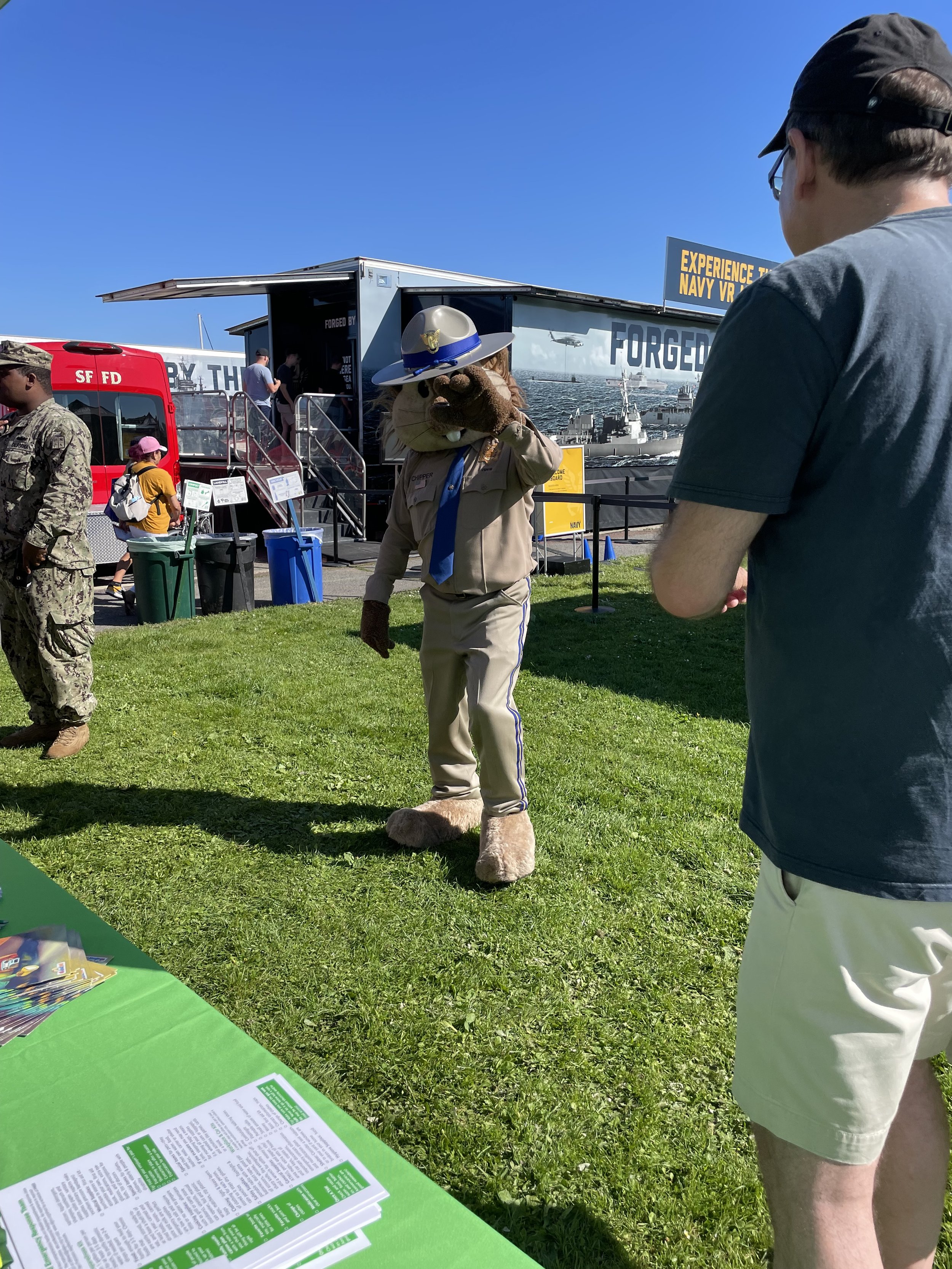
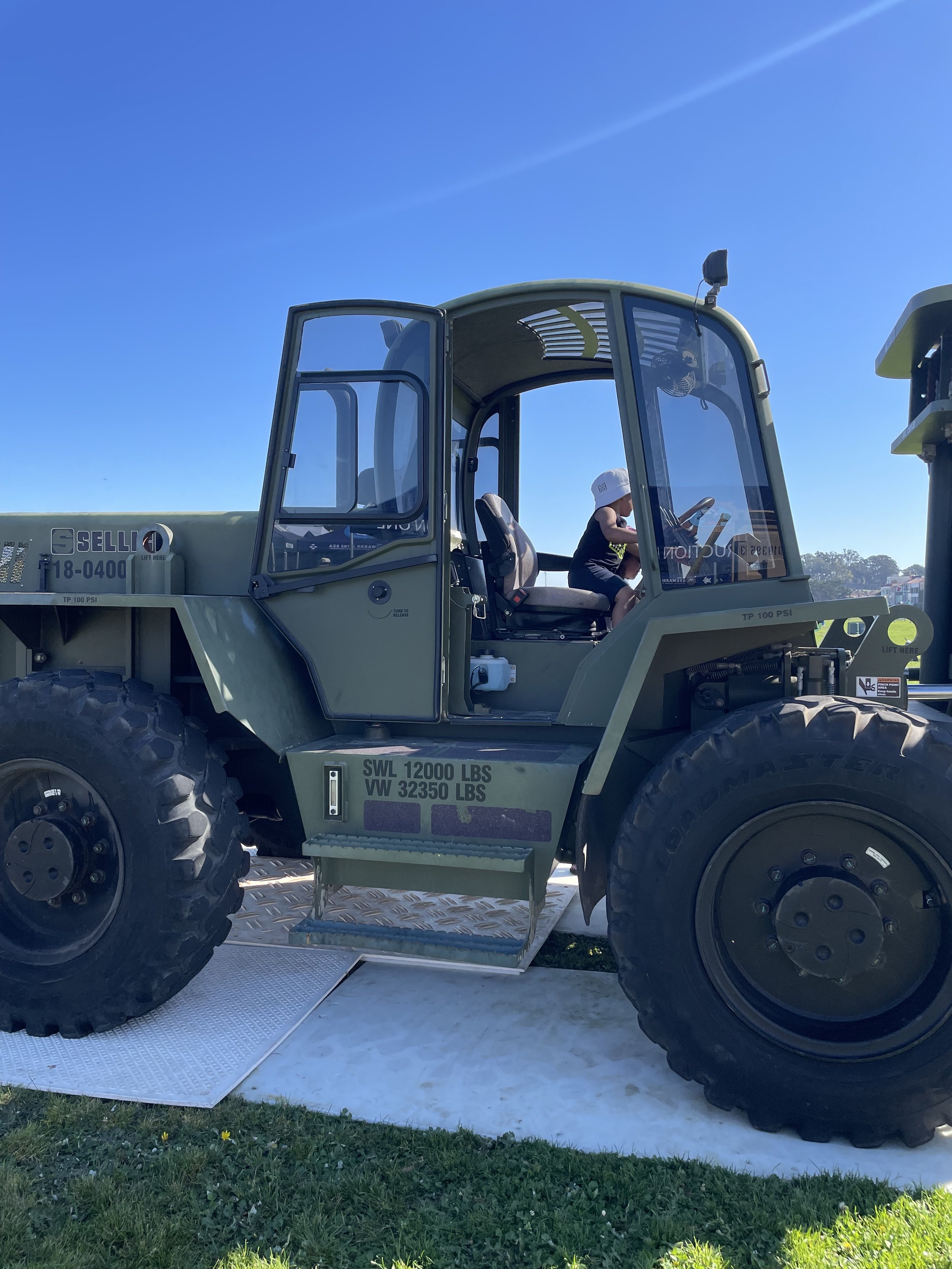
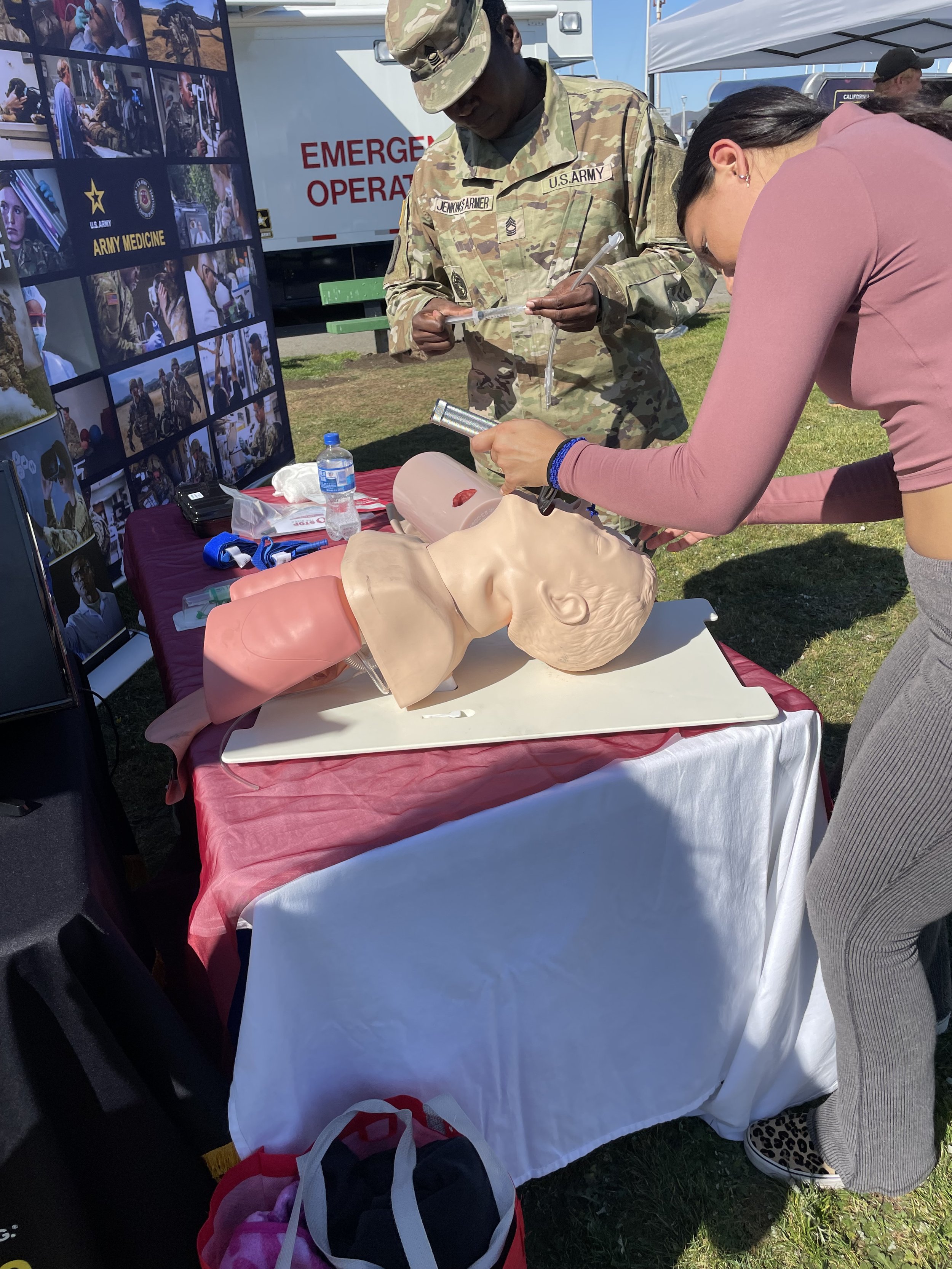
Substantial exhibits just strolling through the humanitarian center at Marina Green this Fleet Week, where I was tabling at the San Francisco Fire Depot’s Neighborhood Emergency Response Team (NERT) table.


It’s a jobs fair and experiential museum. You can learn how the US Army intubates a patient, and what an earthquake feels like.

I met a Navy diver who dives into wrecks in seas and rivers to retrieve the sunken remains of MIA service people all over the world. 😳

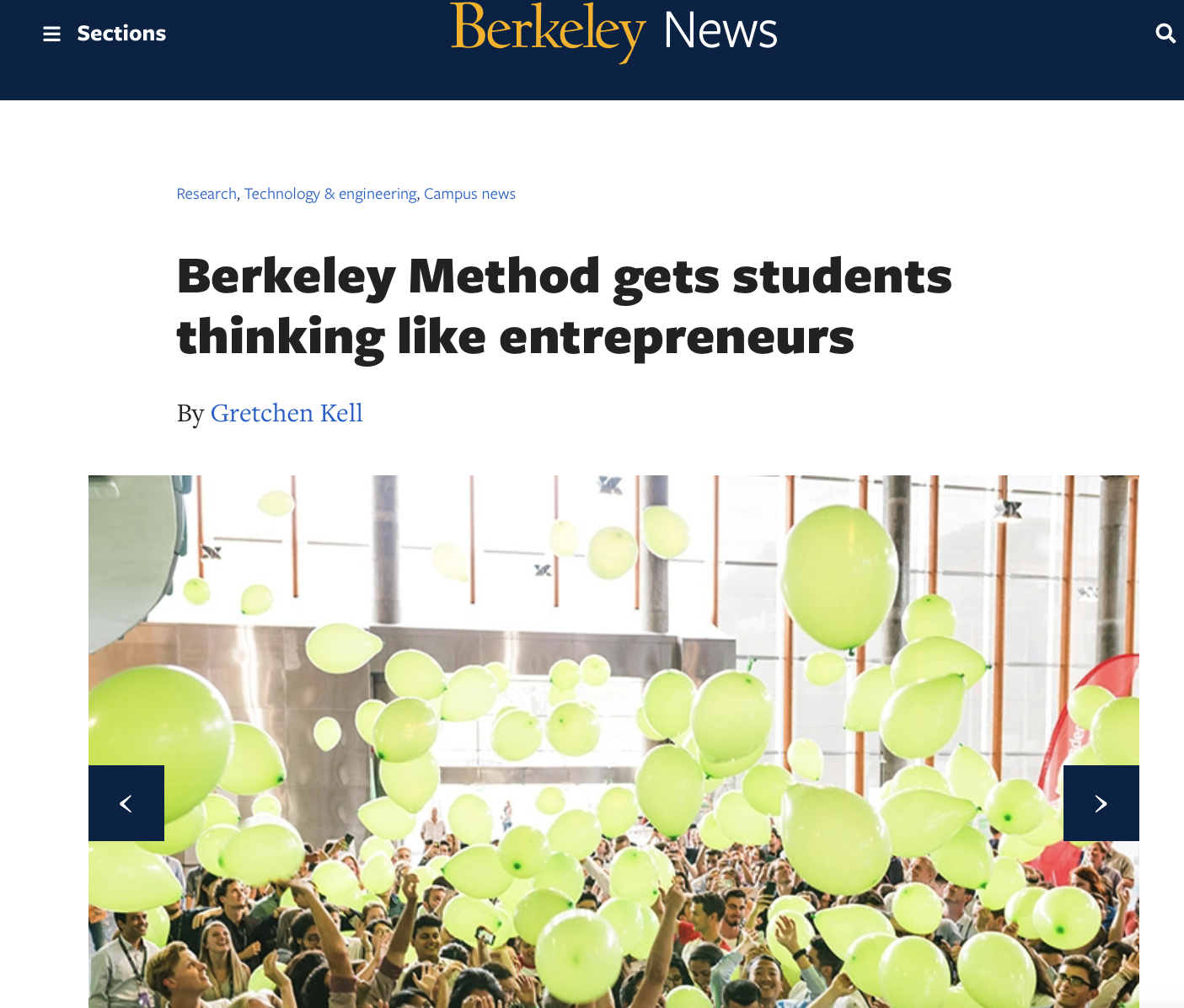
UC Berkeley is #1 in the world for creating venture-funded startups

This week it was announced by Pitchbook 2023 University Rankings that University of California, Berkeley is #1 in the world for creating venture-funded startups.

In PitchBook's overall rankings in 2023, Berkeley is the top public university for producing startup founders for the sixth straight year.

I’ve loved being an entrepreneurship mentor to university students at both these institutions - the European Innovation Academy, the world’s largest extreme accelerator, and UC Berkeley’s School of Engineering Sutardja Center for Entrepreneurship and Technology - and their entrepreneur programs!

Special shout out to Berkeley Method of Entrepreneurship program director Gigi Wang for bringing me to Cal as a mentor and a venture judge.

I’ve been consistently impressed with the problems UCB student entrepreneurs have chosen to address, and the fast work they achieve in these accelerated entrepreneurship environments. You can read about student ventures I worked with here and here and here and here.

Berkeley Method gets students thinking like entrepreneurs, click the image to read a 2018 article about it

Congrats to all!

Timely Civic Education Project ISO Peers, Partners, Sponsors

It’s a Wikipedia + Wordle for Current Affairs to make better citizens and voters…
A comprehensive project that aims to promote trust and transparency in democracy while combating disinformation and corruption.
The deliverables can be used individually or collectively to empower citizens with the knowledge and tools needed to critically evaluate information and build a network of trustworthy sources.

I Was Made Diverse. A Tale In Formative Diversity

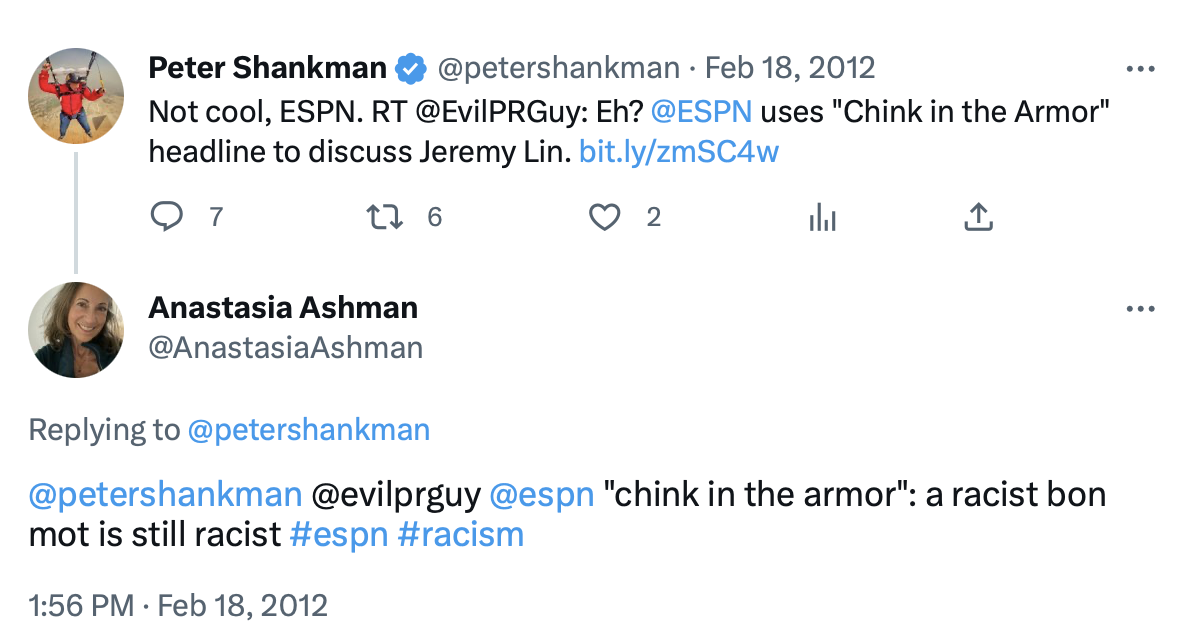
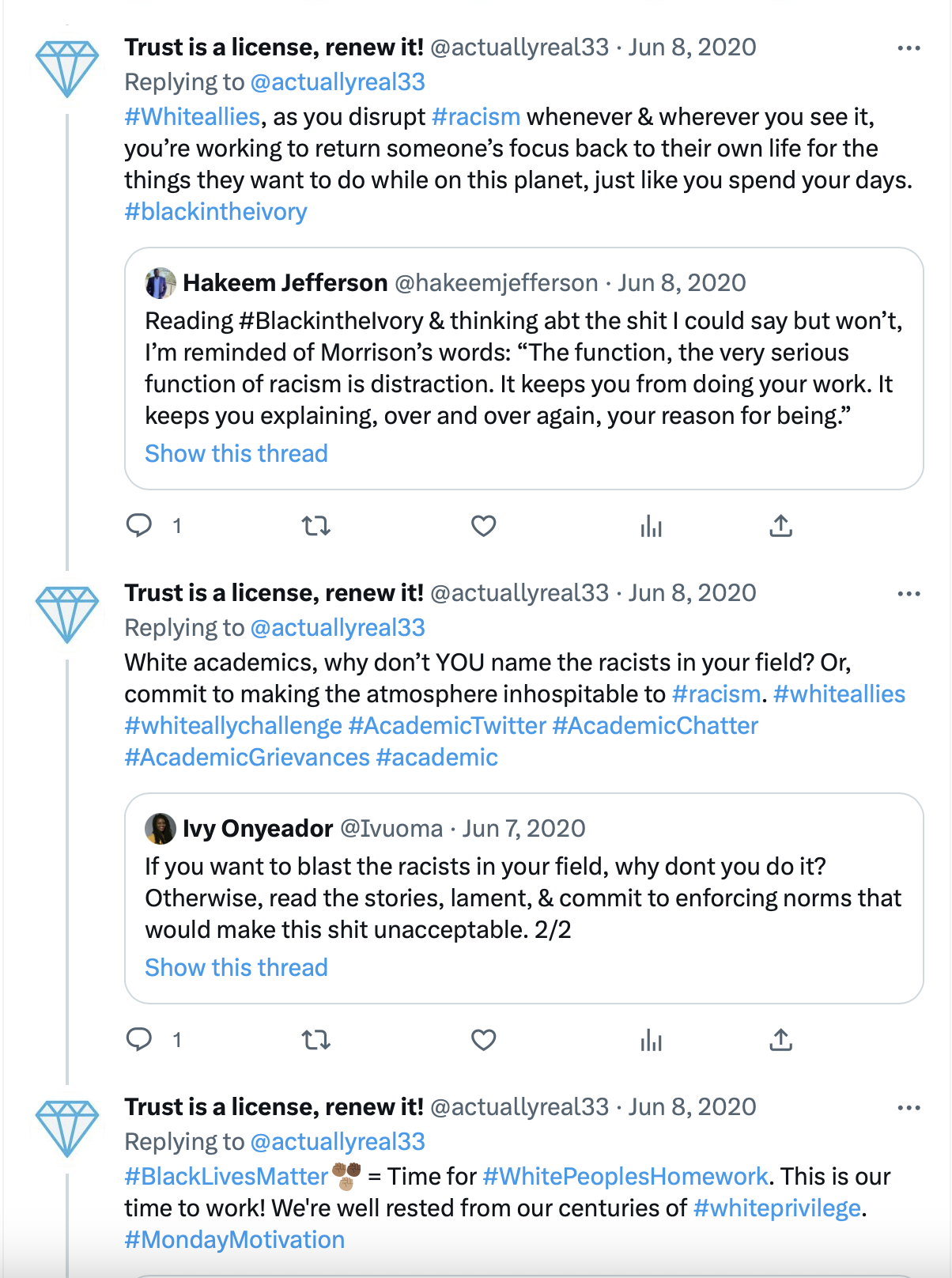
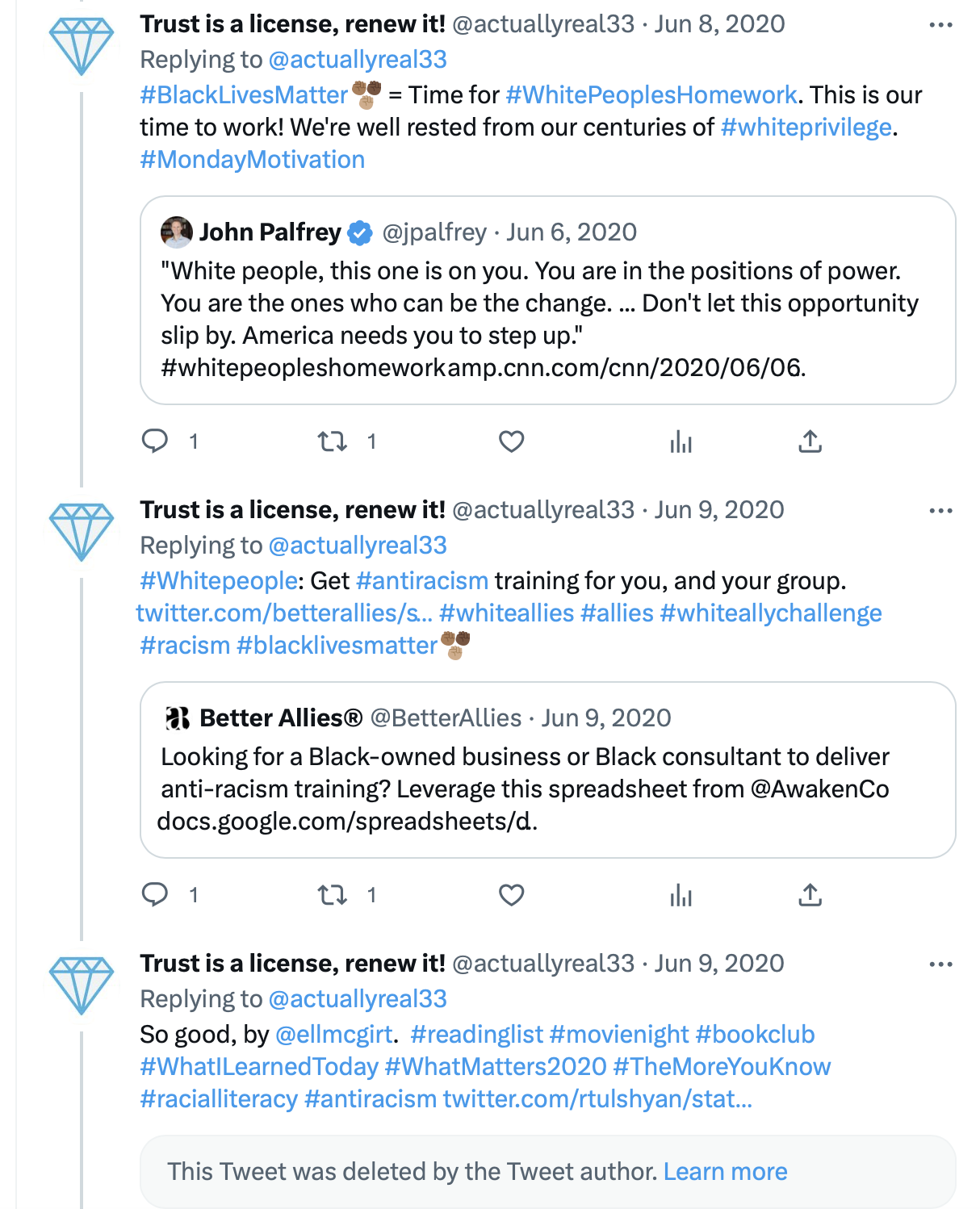
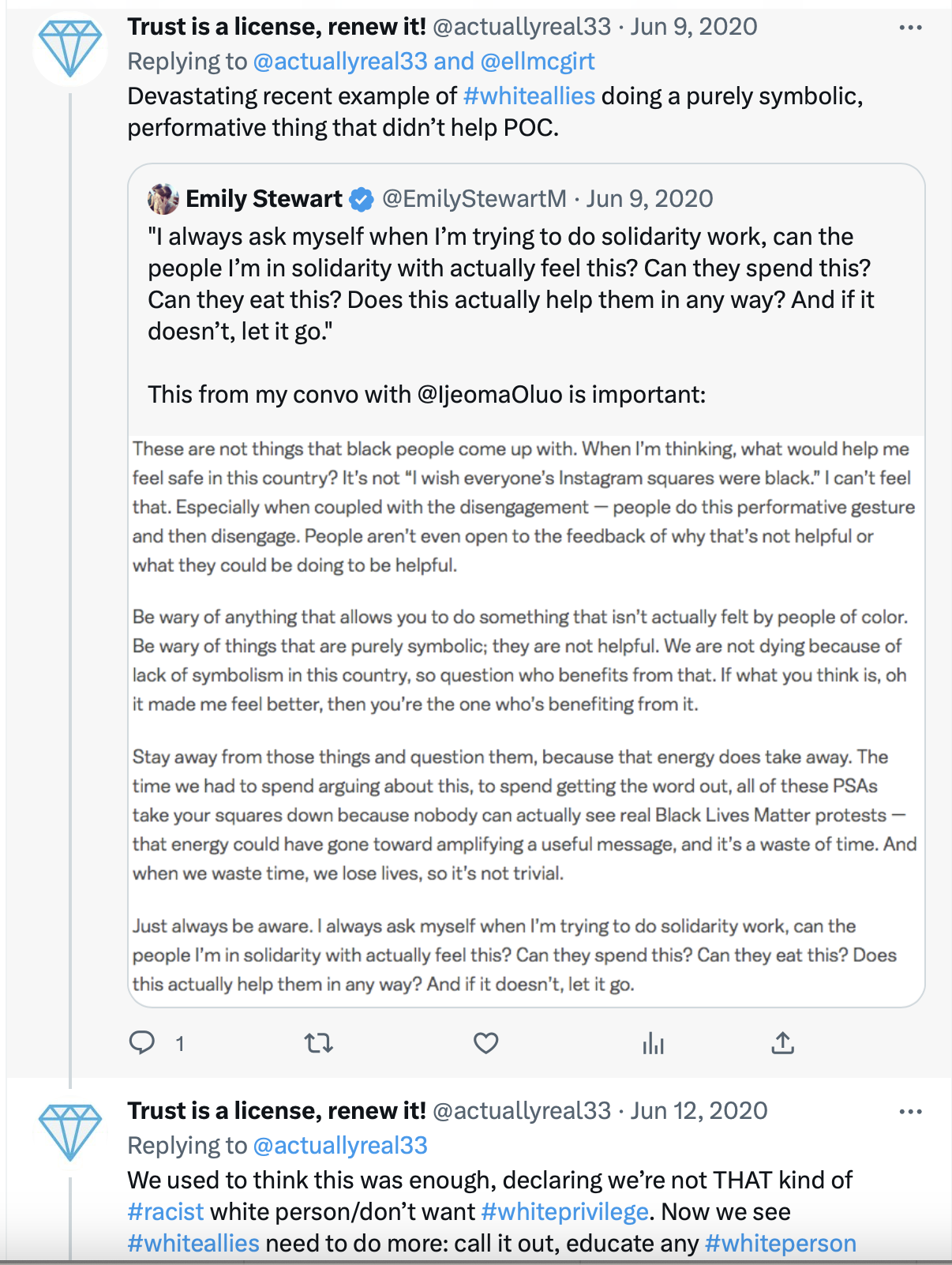
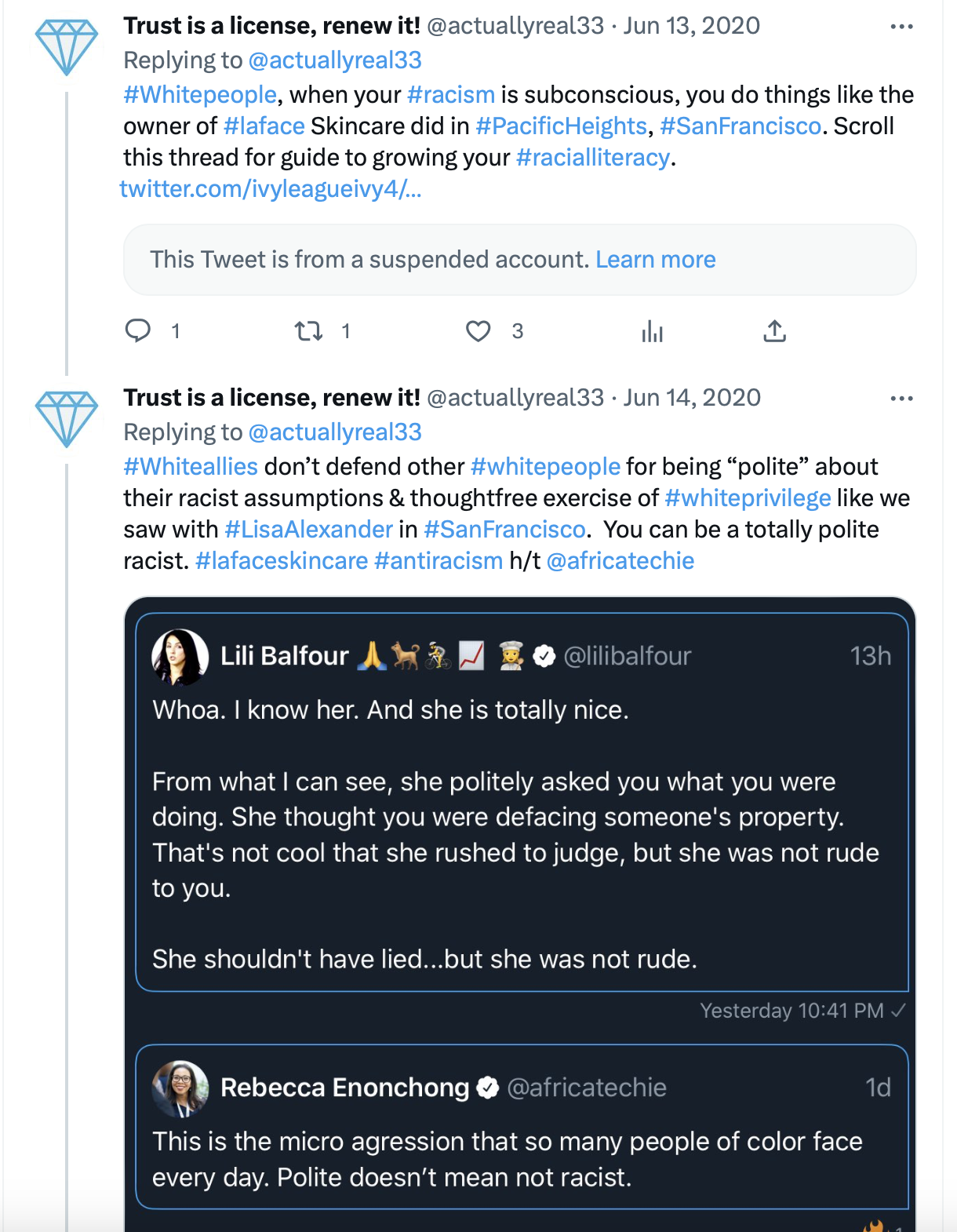
Diversity is the conversations you’re in. Using my voice to call out racism and sexism, question false narratives, and champion the positive impacts of diversity, equity and belonging

I was not just born, I was made. I was made diverse in ways that are natural to me but unusual to many of you who judge by my external characteristics such as my whiteness and my cis-female appearance.

LinkedIn is filled with DEI statements by people who come from self-described White homogeneous upper-middle-class backgrounds and elite networks. Their declarations are pitch perfect: it's time to recognize their privilege, to embrace the discomforts of diversity, to overturn the inequities of the patriarchy, to fight exclusion in all its forms. Light on details of past and present experience and actions, no receipts for their claims. So perfectly within bounds they must have been written by a crisis management firm - or Chat GPT.

I was born to share the same compliance check-boxes with many of these writers. If you judge by boxes, we are indistinguishable from each other. My DEI statement should read much like theirs. But then why do those 180 degree turnarounds to recognize lifelong blind spots about systemic and structural marginalization feel so unfamiliar to me?

I was made diverse. I was made by a progressive hometown that was a Civil Rights hotbed. My baseline for normality was anti-Establishment and countercultural, where every day was a reaction to a conventional world of sexism and racism and classism and ableism and ageism. I had yet to meet that world whose dominant structures perpetuate inequality and exclusion but from an early age I understood those structures needed to be dismantled. And I would do my part! I was a child steeped in inclusive language and feminist instinct. At the age of 9, I was made by my study of transcendental meditation with the Maharishi Mahesh Yogi, the same bearded guru who turned The Beatles on to meditation. Had a mantra when my peers were collecting Brownie badges. Was a test of integration, bussed from my block in the Gourmet Ghetto of Alice Waters and the original Peet’s Coffee to a lower socio-economic neighborhood in my integrated school district where the corner store sold pickled pigs feet next to the cash register. My teachers were BIPOC and AAPI. I was made by "Asian Cluster Classes" that put clusters of gifted students into classes with students of varying abilities so we could all learn together at our own paces. I was made by Asian-American Summer School and eleven years of studying Judo with instructors from Tokyo.

Was trained to see through different eyes than mine, to perceive how society's majoritarian effects devastate minority populations. Mapping Toni Morrison’s The Bluest Eye onto my envy of a blonde blue-eyed sister’s life, when Langston Hughes was my favorite poet, when I learned of America’s Japanese internment camps and our homegrown wartime propagandists Tokyo Rose and Axis Sally. Cherished memoirs of the Holocaust as a 15 year old, written by people who survived concentration camps like Auschwitz.

Lived and worked in numerous American cities and three other countries. Ran a reflective blog for global citizens. Published a stereotype-busting book about Turkey that won adherents worldwide, including NBC television producers, National Geographic Traveler and the New York Times. Translated Turkish culture on live television for five million Americans. Raised the voices of foreign women writers in a land that gets more press for silencing writers.

Mentored students of color, LGBTQ students, undocumented students, and women leaders of tomorrow. Supported a more equitable world by amplifying people with intersectionalities in my hiring, by whom I follow and amplify on social media, and by deciding with which companies to spend money. Corrected gender and race imbalances through my entrepreneurship, partnering with individuals from underrepresented communities and people who have untraditional educations or are differently abled.

I was made by my experience of working in all-male environments or being the only woman in the room. Feel acutely aware of the challenges that face a marginalized individual, especially the derailing of opportunity and the harm to one’s mental health caused by mistreatment. On Quora in 2009 answered the question:  "What do you wish you knew in your 20s?"  Wish I’d known I had a legitimate case of harassment in the workplace when I had to give the mailroom dude a hug before I could use the fax machine. Instead chose career change, and faced depression.

Finding an ally is a boon. Identifying where my rights have been violated in the workplace and pursuing productive remedies came in my 30s: thanks to guidance from a male colleague who recognized the optics were poor and who knew how to be an ally to women. This is what I want for everyone: to have a savvy ally nearby.

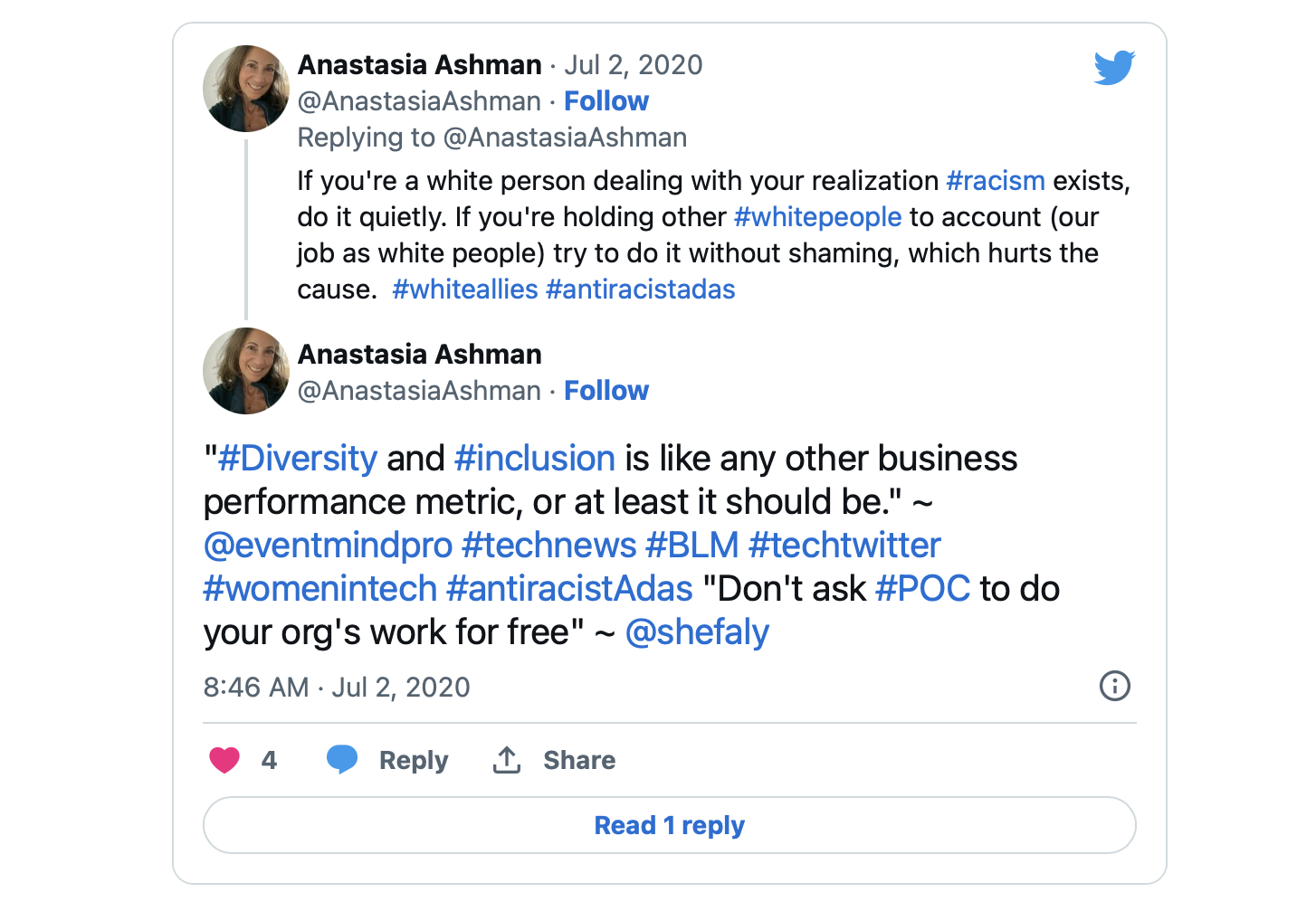
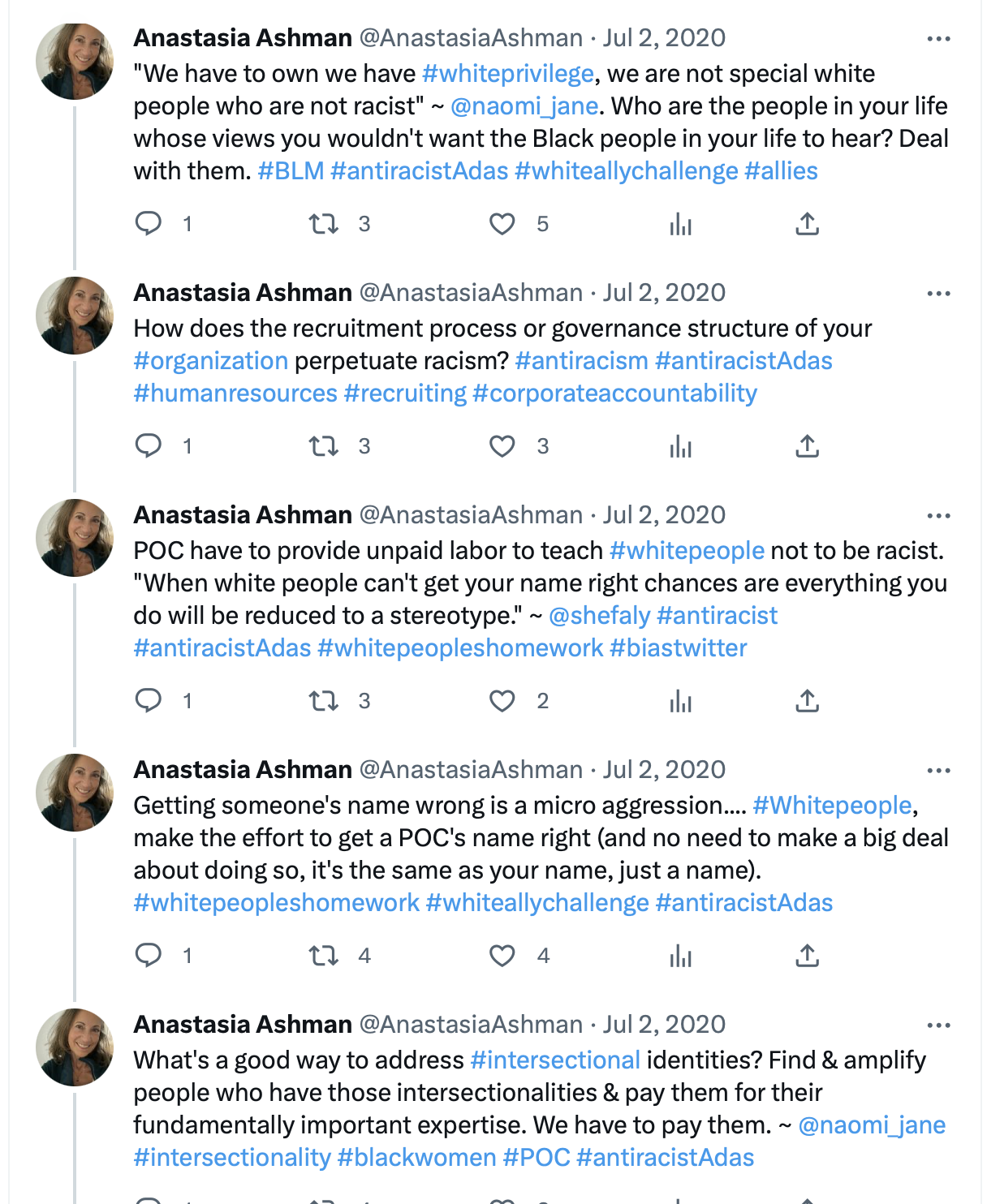
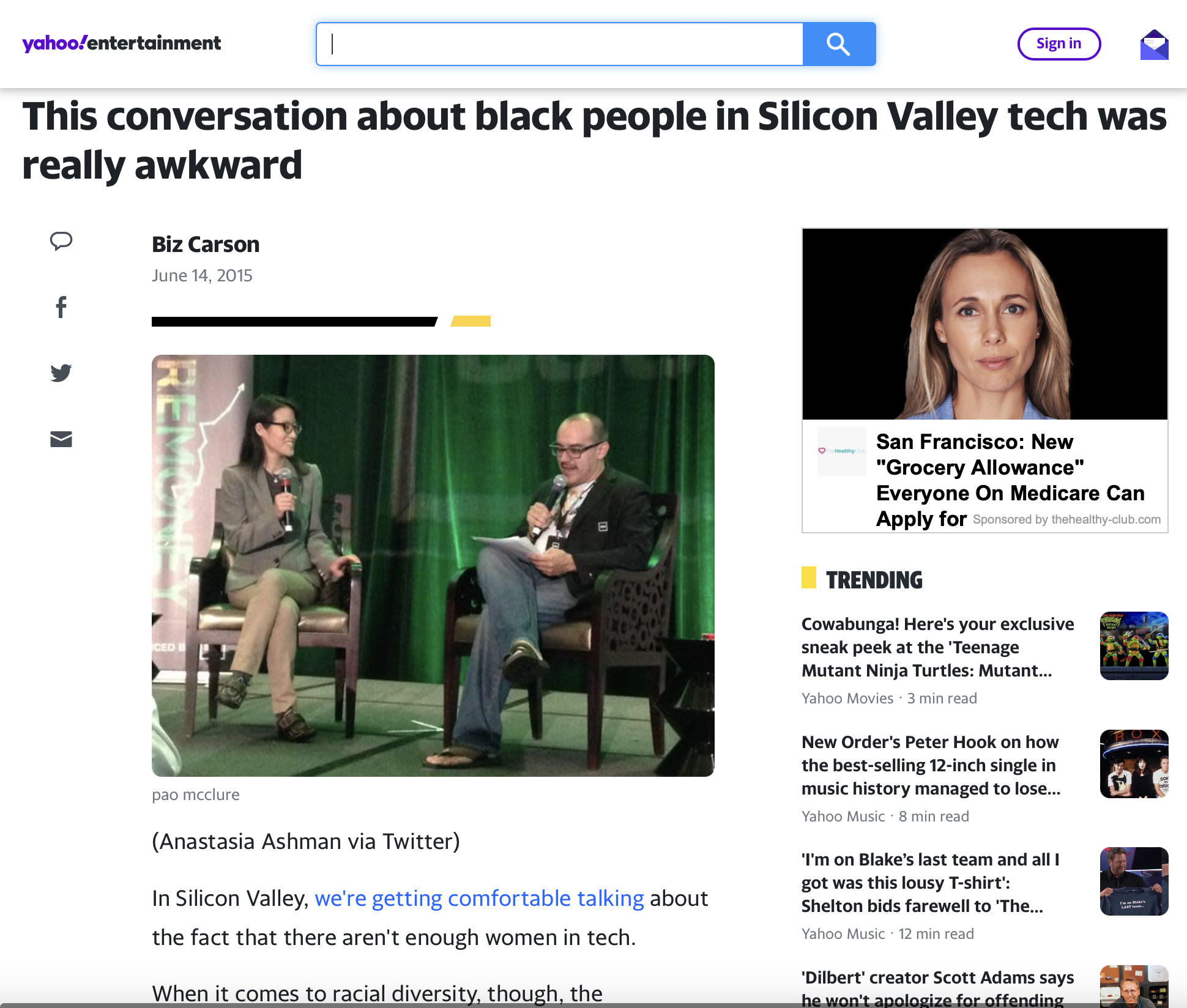
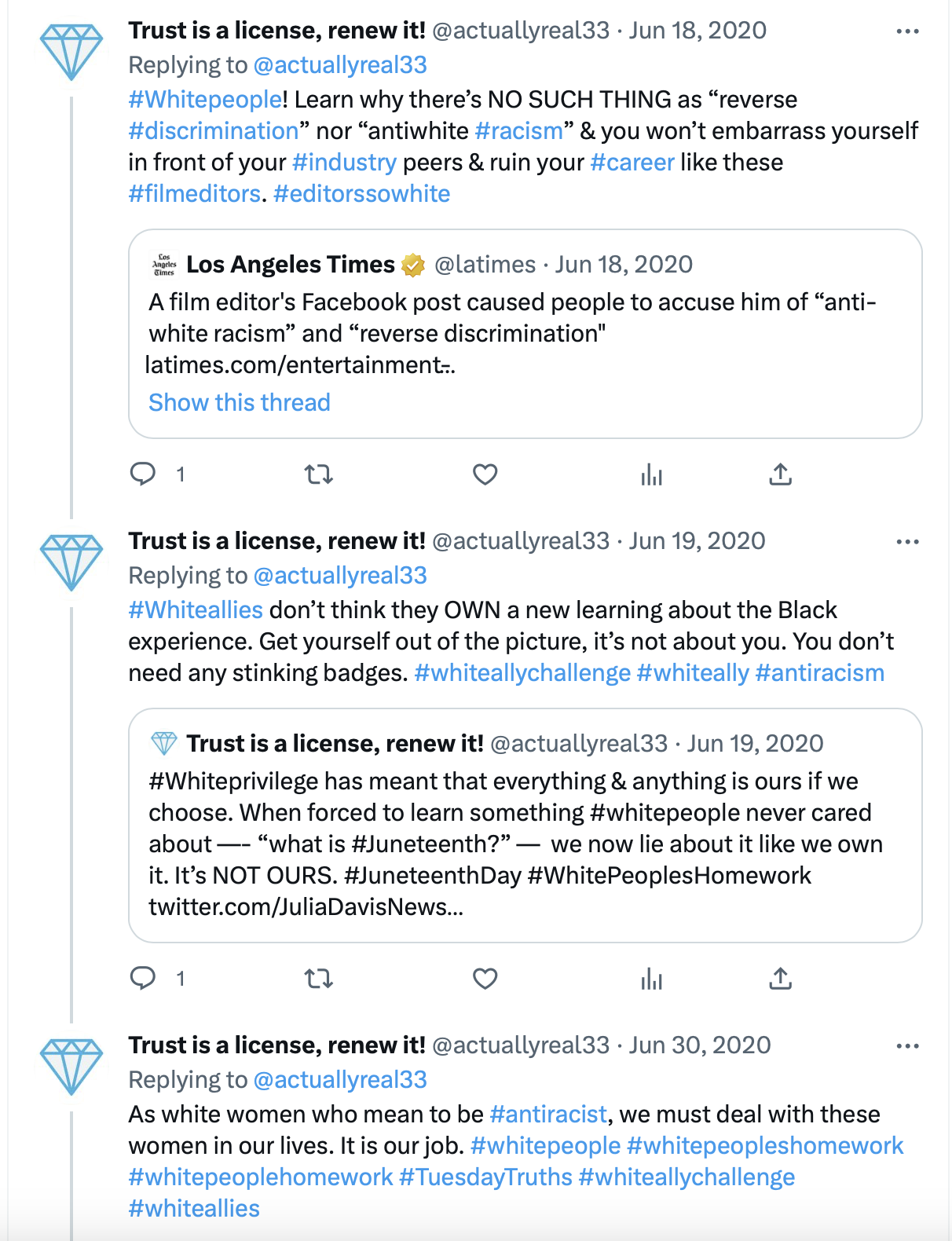
Allies are also made, not just born. Being an ally is my goal. It is never-ending work and my privilege to tap out, recharge, and come back to do something impactful. I regularly recommit to being an ally to marginalized people. As an active anti-racist (see my live tweeting a tech world event on intersectionality and structural racism), I hold other White people to account, directing them to existing research so they don’t rely on the free emotional labor of people who are experiencing the discrimination. I make a point of getting people's names right, and remain aware of empty gestures, tokenism, and virtue signaling. I recommend any White person reading this educate yourself about how to be actively anti-racist. There is no alternative.

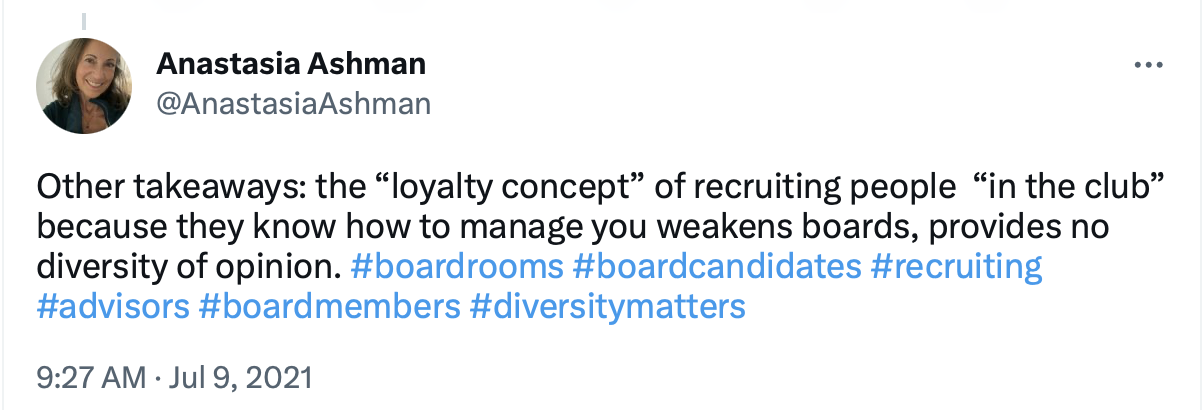
Experience, culture, and perspective are crucial factors that shape our worldviews. We must work to find equity. For decades, I have used my social media, blogs, books, published articles, letters to the editor, etc., as a platform for calling out racism and sexism, questioning false narratives, and championing the positive impacts of diversity, equity and belonging.

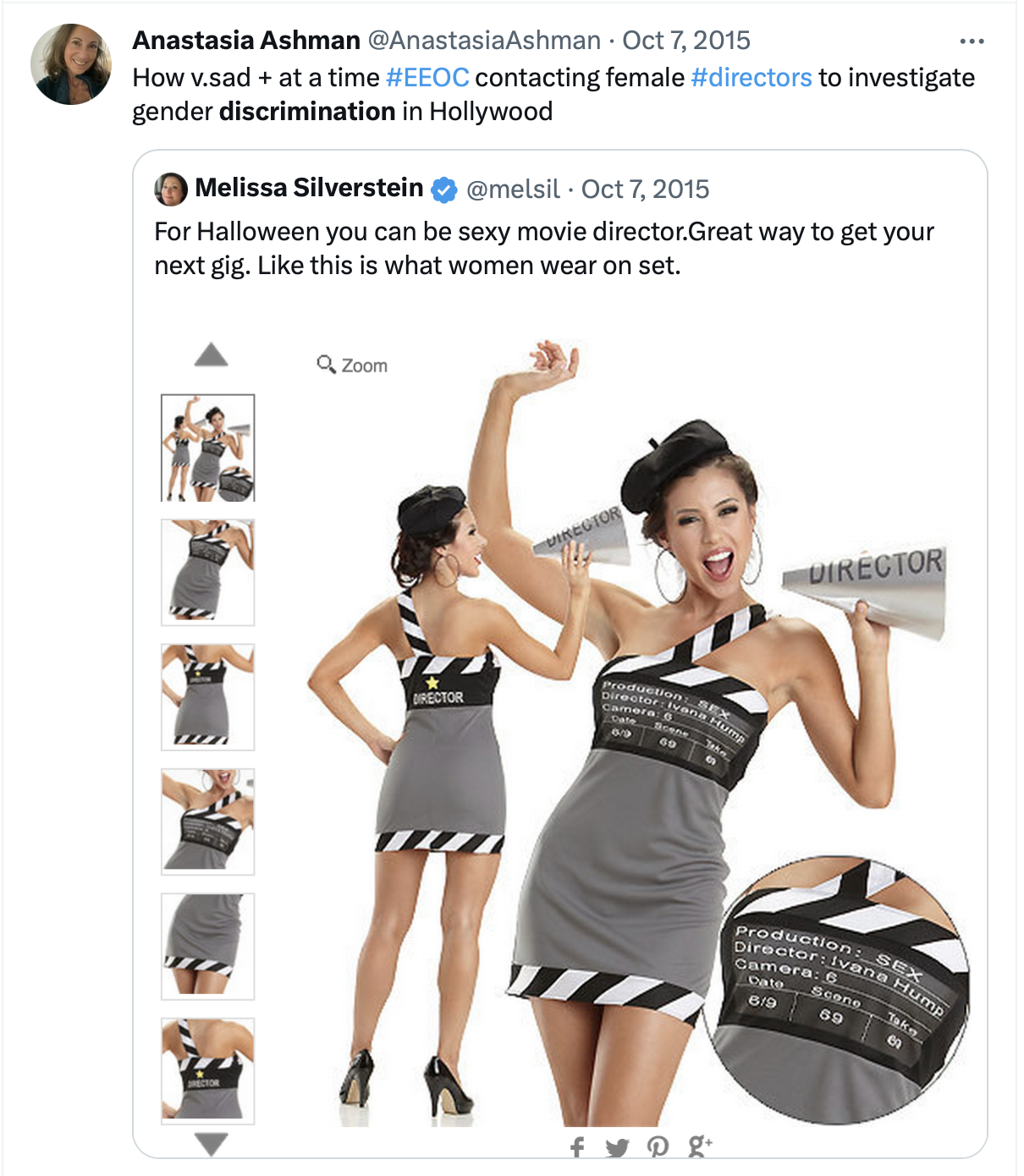
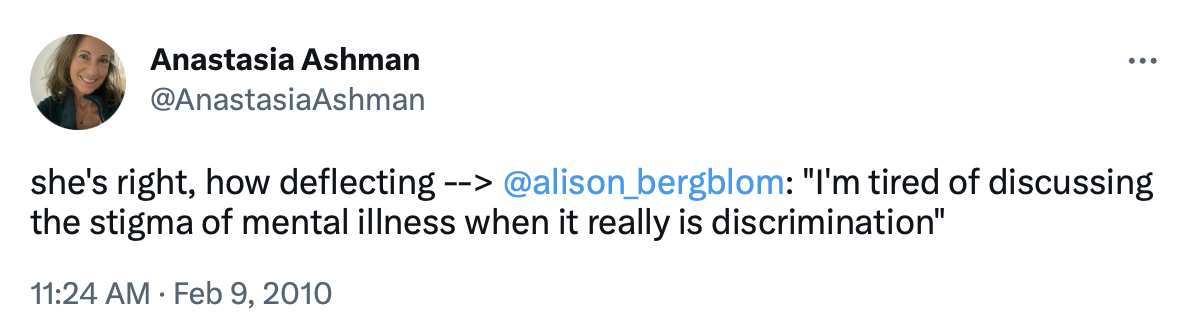
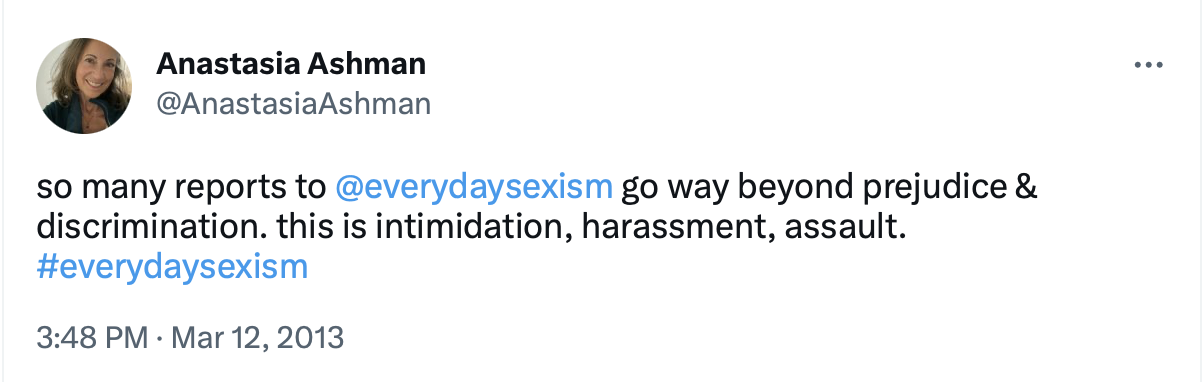
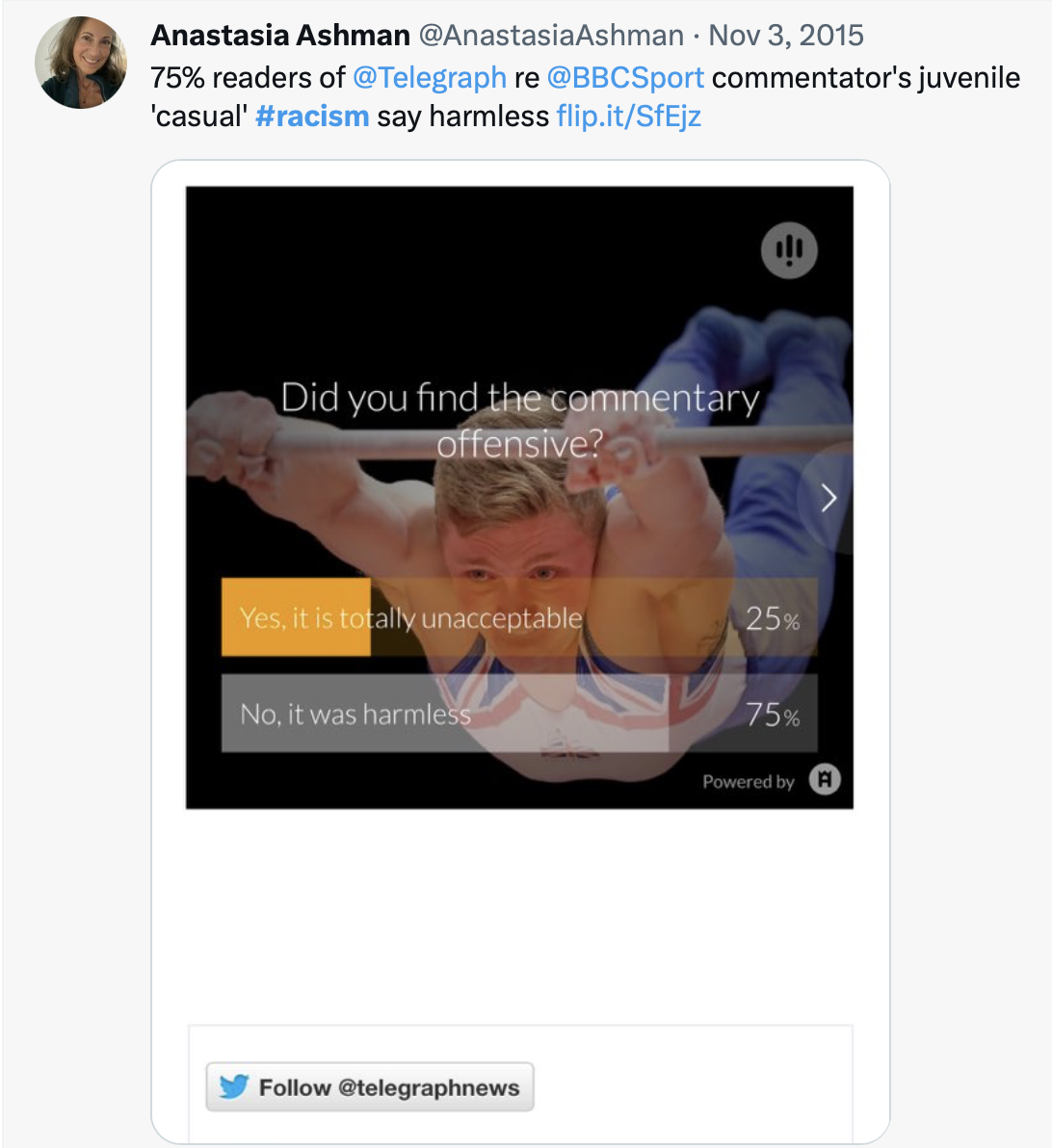
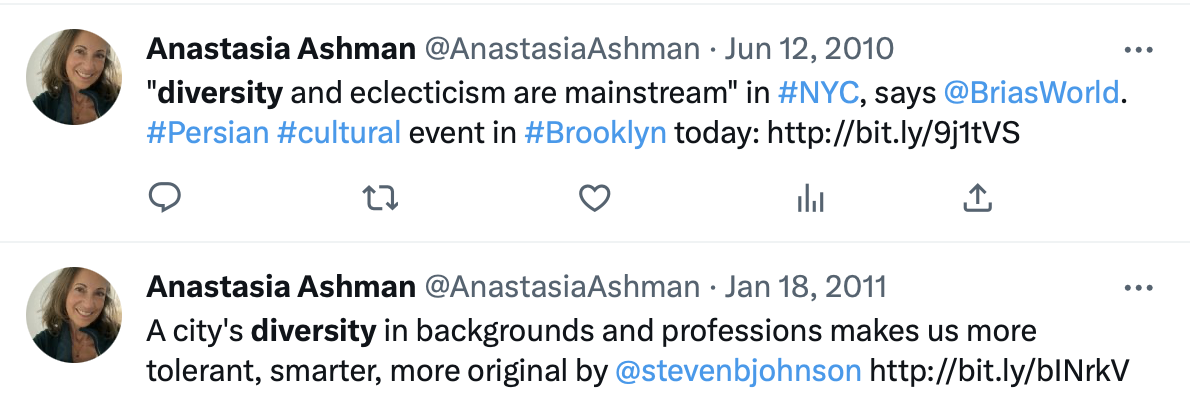
In 2010, my global citizen newsletter was asking questions about tolerance levels in our communities. On Twitter in 2014, pointing out that issues of discrimination and diversity are not just fringe concerns, but mainstream ones. In 2015, noting true diversity is reflected in the rooms we're in and the conversations we're having. My commitment to fairness and justice is well-documented, from confronting sexism in the halls of Congress to challenging a Hong Kong tycoon's comments about drowning Indonesian women — they didn't need to be saved when the ferry went down he had said, they were only women and women have so much already, don't they?

I was made by being an outsider. Knowing what it feels like to not fit in or belong, or speak the predominant language, or have citizenship rights. Being misunderstood when speaking or acting. Being passed over for hiring or promotion due to a lack of 'culture fit.' 

Knowing what it’s like to be welcomed as an honorary member of other cultures and groups: for eight years I lived in an almost exclusively LGBTQIA+  world, at one point with four gay roommates. This was normal to me, but may be unusual to you.

As an expatriate in Muslim-majority countries in Southeast Asia and the Near East, learning to read the fine print of each culture, I was made by living and working for 13 years outside America. Hard to figure out in the States, I am even harder to figure out outside my country of context. Once a Malaysian postman returned my grandmother's birthday card for me — because in his racially segregated universe there was no way a Malay person (he read my middle initial and last name as a typical Muslim moniker) could be living in the same house as a person with a Chinese name. I witnessed my colonialist privilege to walk into an Asian luxury hotel unquestioned, and lie by the pool simply because of my white skin in a former British protectorate. 

I have my conflicts.

White privilege viewed from a low rung of white society is disorienting. Committed to understanding what my whiteness and its privilege means since I was an 8 year old child filling out race surveys with the write-in answer my Lithuanian father insisted on: “We’re Indo-European, not Caucasian”. Grasping the need to champion diversity and equity and inclusion since I was a poor child slipping through the cracks in an affirmative-action-focused progressive society. Regularly failing to qualify for local aid programs, I wasn’t the particular type of underprivileged child they were designed to help. If I missed the irony of it, my father sure didn’t.

It mirrored his experience of slipping through the cracks of society, being cross-eyed and a stutterer with asthma from the poorest white family in his town. The doctor didn't keep medical records since he was considered a charity case, leading him to be drafted into the Army later, an unfit specimen. Once I asked my father why he had no friends left from his childhood. "Anyone with good nutrition and opportunities shunned me”, he said, his Black friends died young or were sent to prison. He got a Bloomingdale's shoe department job in the city and attended free art school at night. Then a cigarette-smoking dentist at Bellevue Hospital pulled all his teeth to bring his mouth up to military standard. He met my mother on an Army base, returned to school on the GI Bill, and lived to raise me in Berkeley with its progressive programs and condemnation of all he had survived. Today we would surmise that was his White privilege at work as he escaped his illiterate alcoholic immigrant family, his dead end sand pit neighborhood, and all the teachers and townspeople who assumed he was stupid and worthless because of whom he came from, what he looked like, how he talked, and who his friends were. We cannot discount that his whiteness afforded more chances to succeed despite these disadvantages. 

Nobody can figure me out. You write about computers, an acquaintance told me, why are you publishing a book about culture? You write about culture, why are you talking about business now, asked social media followers, unfollowing. You’re cis-het, why are you living in a LGBTQIA+ world? You’re White why do you care about #OscarsSoWhite? You’re from California, why aren't you what I know from television shows? You’re American, why did you vote for an imperialist president the rest of the world deplores?  I’ve been pigeonholed for decades and it’s never right. Just like my father wanted me to write-in something more relevant on a diversity compliance form, there are no meaningful boxes for me to check.

If you are looking for someone who can bring to your team a diversity that has been evolving through experience and exposure, who can bring awareness to the confusions of whiteness and class that prevent progress for all of us, and who has a track record of inclusion, I am your person.
Mastodon