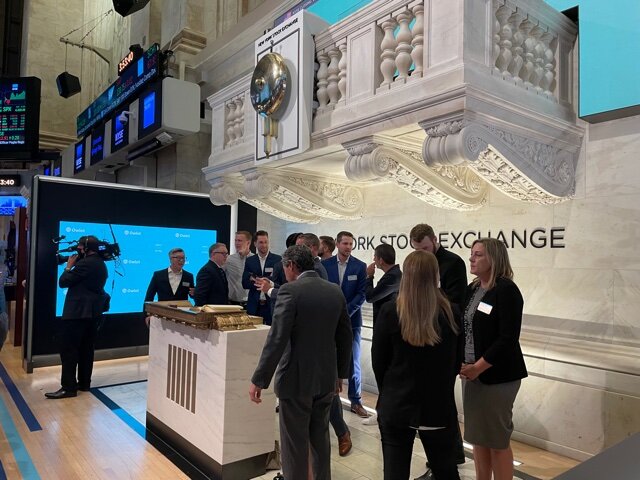
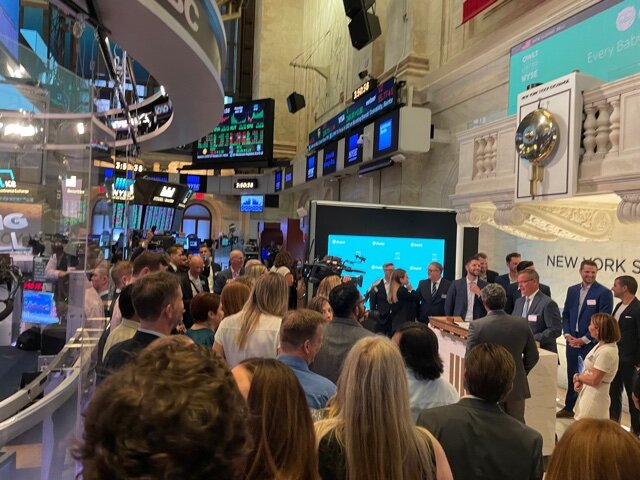
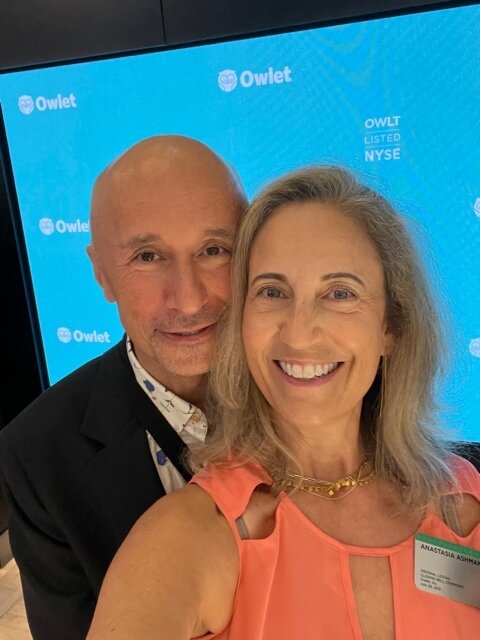
Ringing the bell at the New York Stock Exchange with a unicorn company!
I was walking down Wall Street last week. It was 90 degrees and muggy, a moment of after-lunch calm. As I passed the historic, columned stock exchange I over heard a New York Tour Guide talking to a group of tourists.
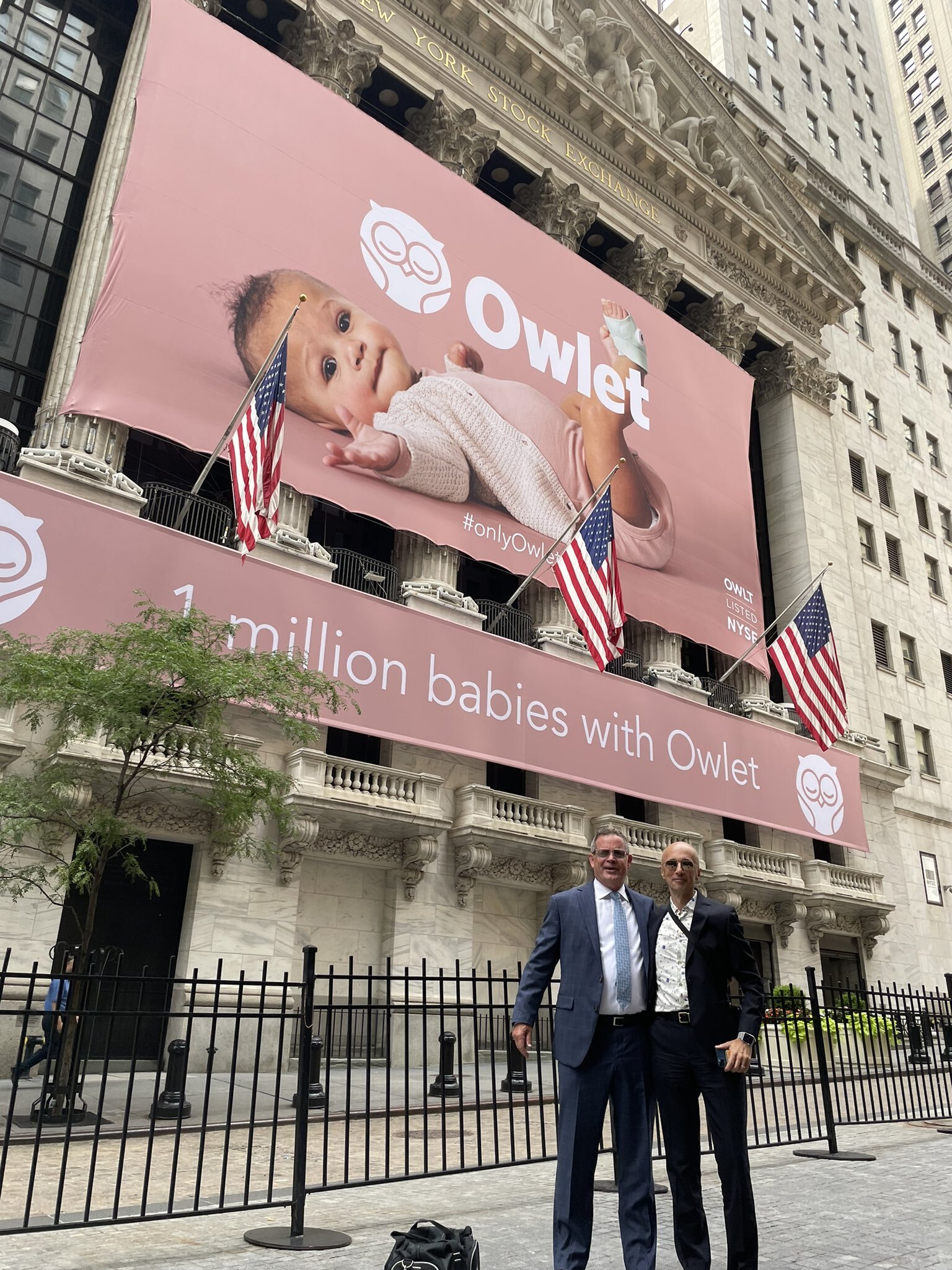
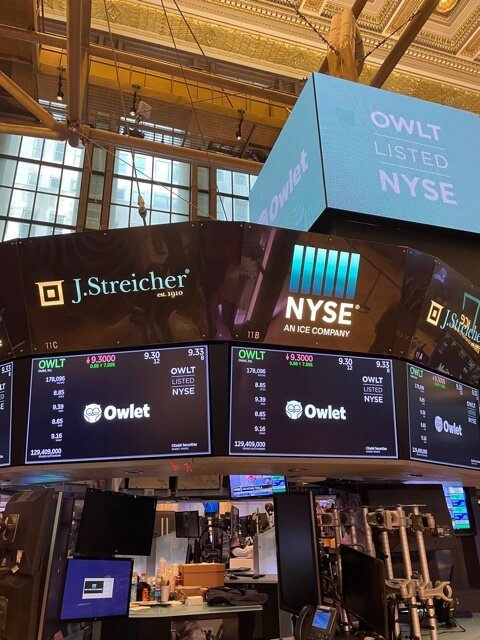
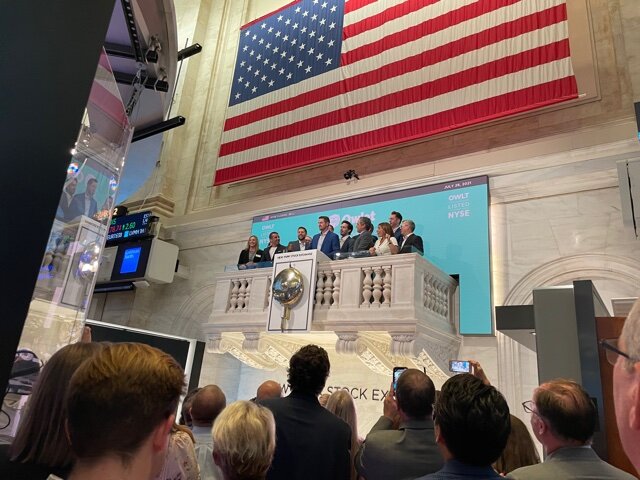
Pointing to the facade announcing Owlet Baby Care’s IPO, she said: A baby went public today.
“A baby went public today.”
Not quite, but funny!! The connected nursery startup Owlet is 7 years old and now it’s a publicly listed newcomer on ‘the granddaddy of stock markets’.

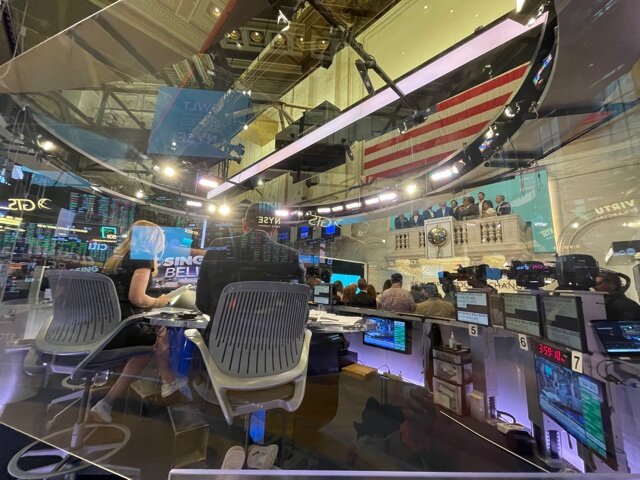
I called out into the quiet street, ‘‘They make smart socks that measure blood oxygen and other vitals to alert you if your baby is in trouble.”
“Good to know,” a man in the tour group called back.
Seriously, this happened.
A spunky JLo could play me in the romantic comedy where a scene like this would be more likely to take place.
It is good to know.
Owlet says they’ve monitored the health of 1 million babies.
When Burc joined them in 2020, we discovered that unlike other startups both of us had worked with in San Francisco, Los Angeles, New York, and Istanbul, almost everyone we mentioned it to knew this Silicon Slopes Internet-of-Things (IOT) product. They had either used it with their own infants — some were on their third device — or had just gotten one for a coming birth, or had given one to a friend with a budding new family.
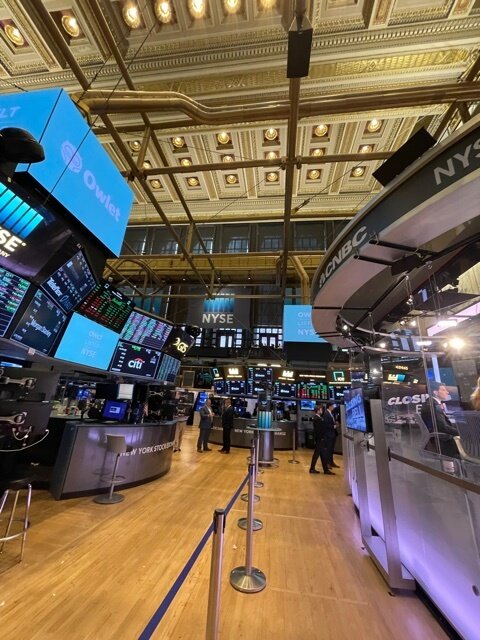
I waved and kept on walking. I was going to meet my husband and the president of Owlet around the corner before we were due to gather inside ‘the center of global financial markets’, the NYSE, for the closing bell ceremonies that mark the end of the day’s trading.

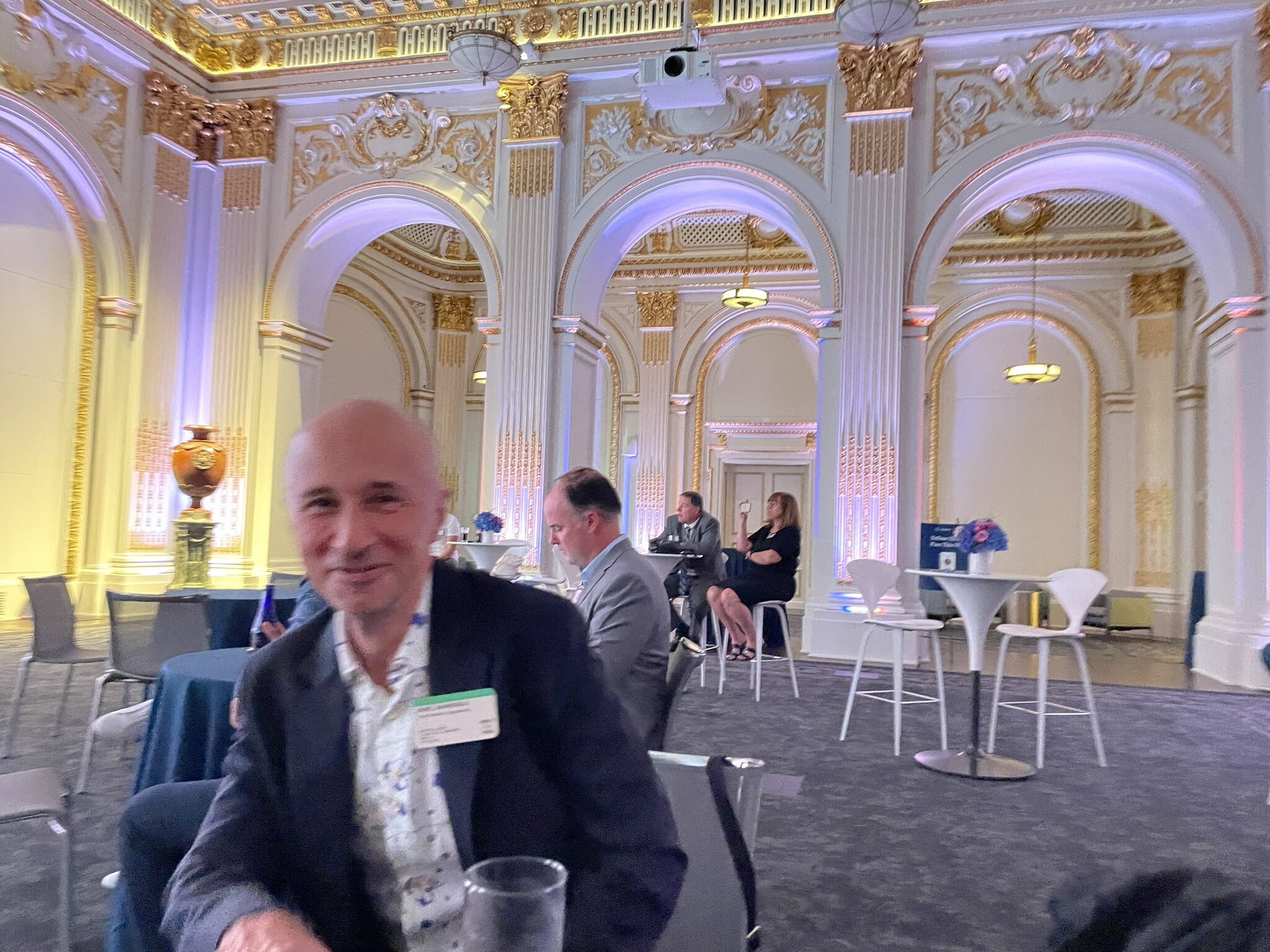
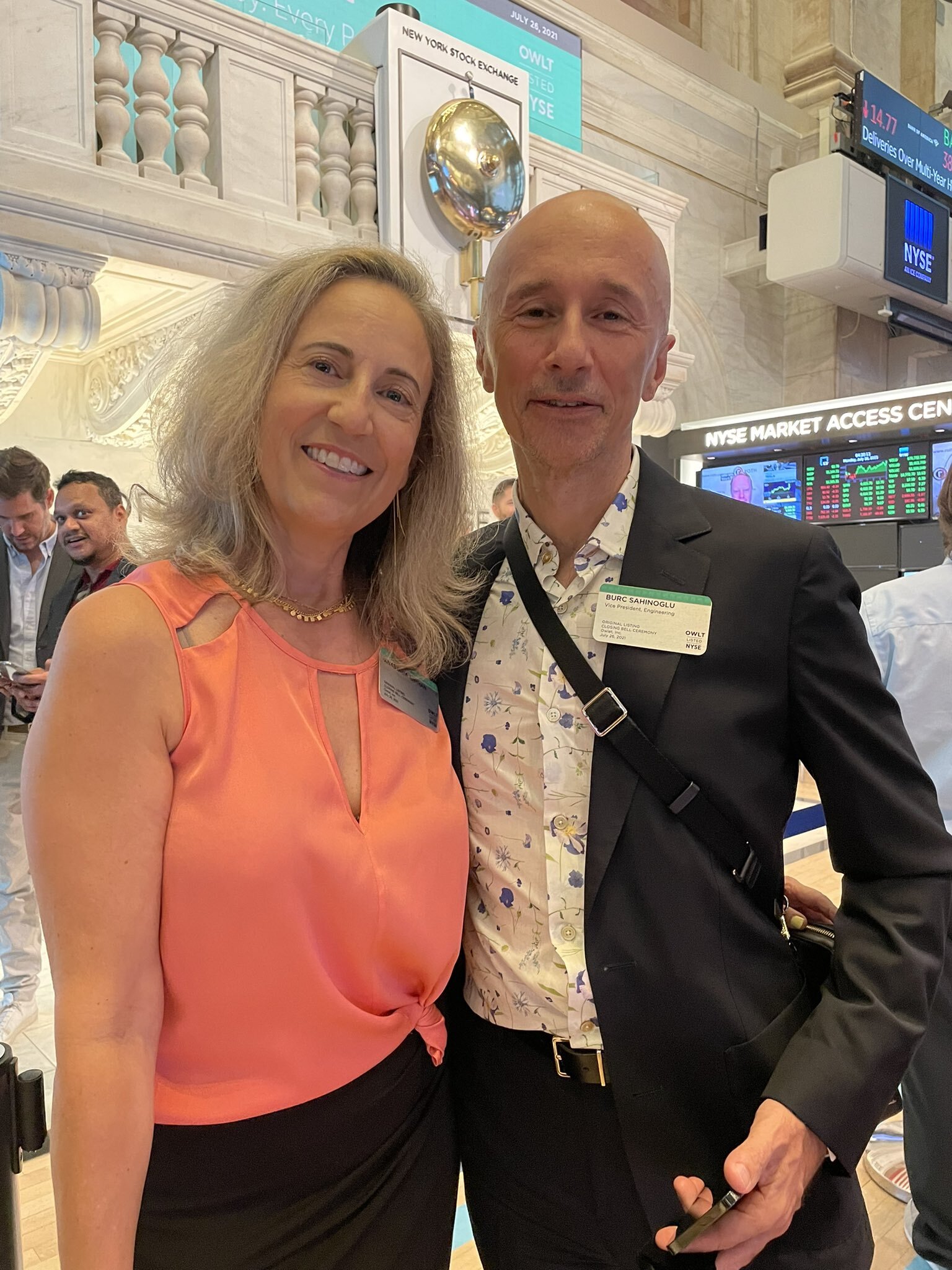
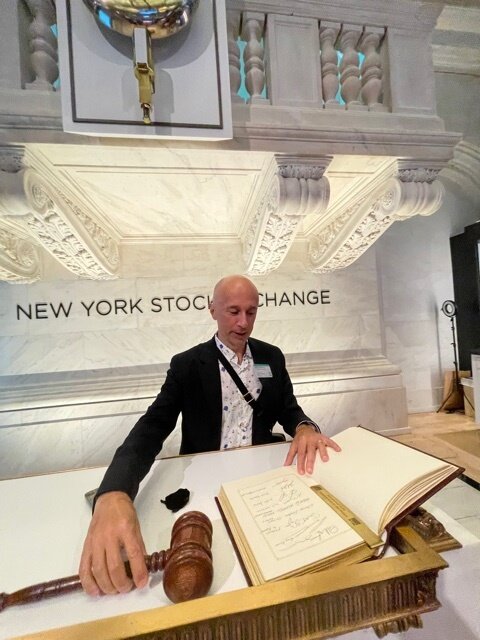
Photobombed by a Faberge urn
That urn over Burc’s shoulder — it was always in focus, he was blurry — was “produced by House of Faberge, gifted to the exchange by Czar Nicholas II of Russia in 1904 for listing a $1 billion bond issue”.
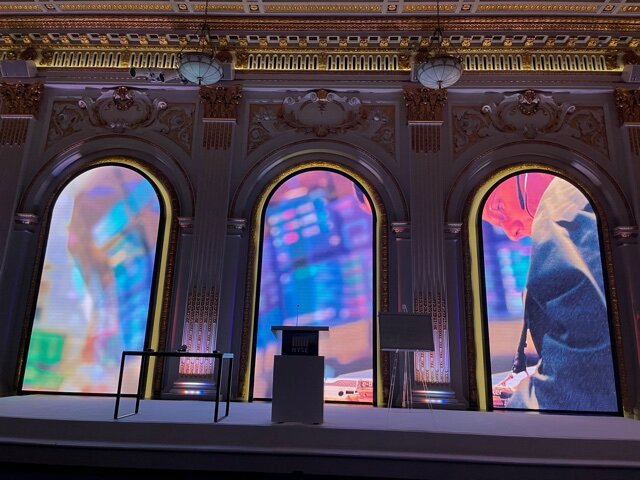
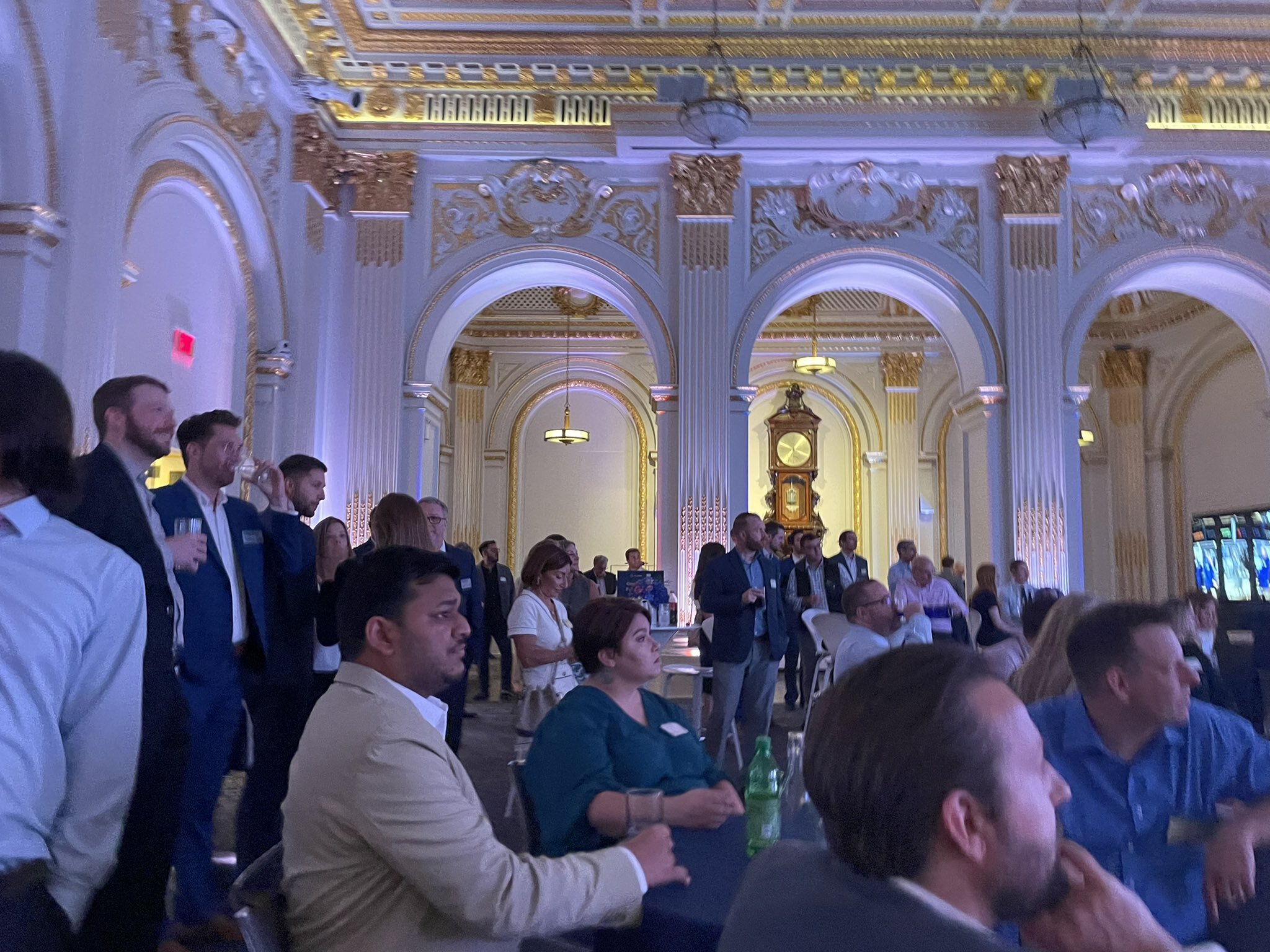
After passing stock exchange museum pieces at the entrance but not getting to look at them, like the original Thomas Edison stock ticker machines I noticed just at the elevator, we assembled in the classical revival Board Room that hosts world leaders, celebrities and business icons before heading down to the trading floor. There were cookies.

That big clock
is the original 1867 clock used to mark time behind the president on the original NYSE trading floor
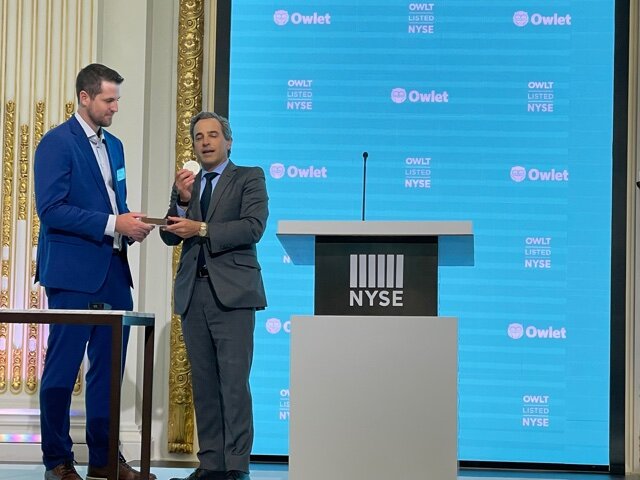
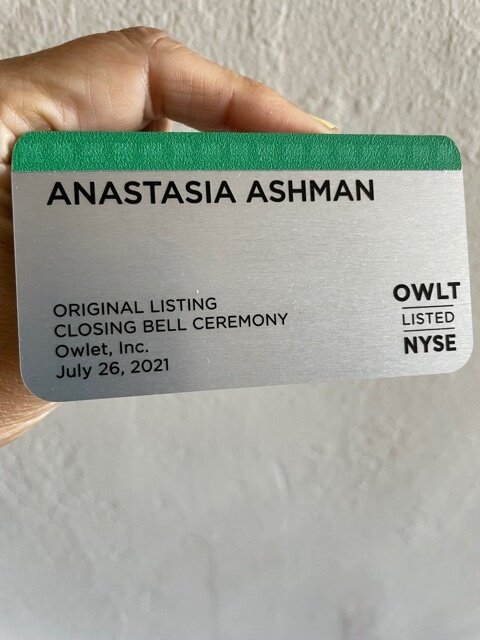
There was a short program about becoming listed on the exchange, a ceremony with a commemorative coin presentation by a stock exchange executive who joined the team on the balcony downstairs, and a speech by the CEO Kurt.
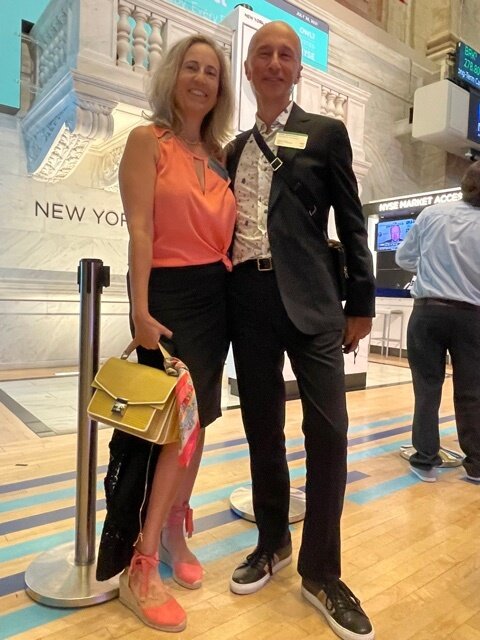
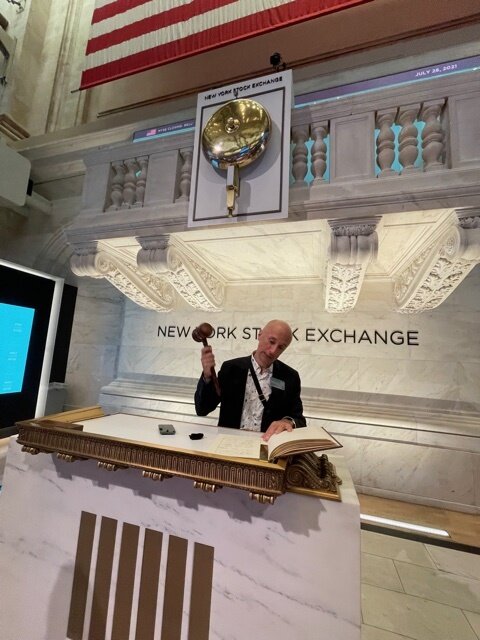
Congrats to my husband Burc Sahinoglu & everyone at Owlet Baby Care for going public as a unicorn (translation: that’s “a company with a $1+ billion valuation”) and for ringing the closing bell at NYSE last week!
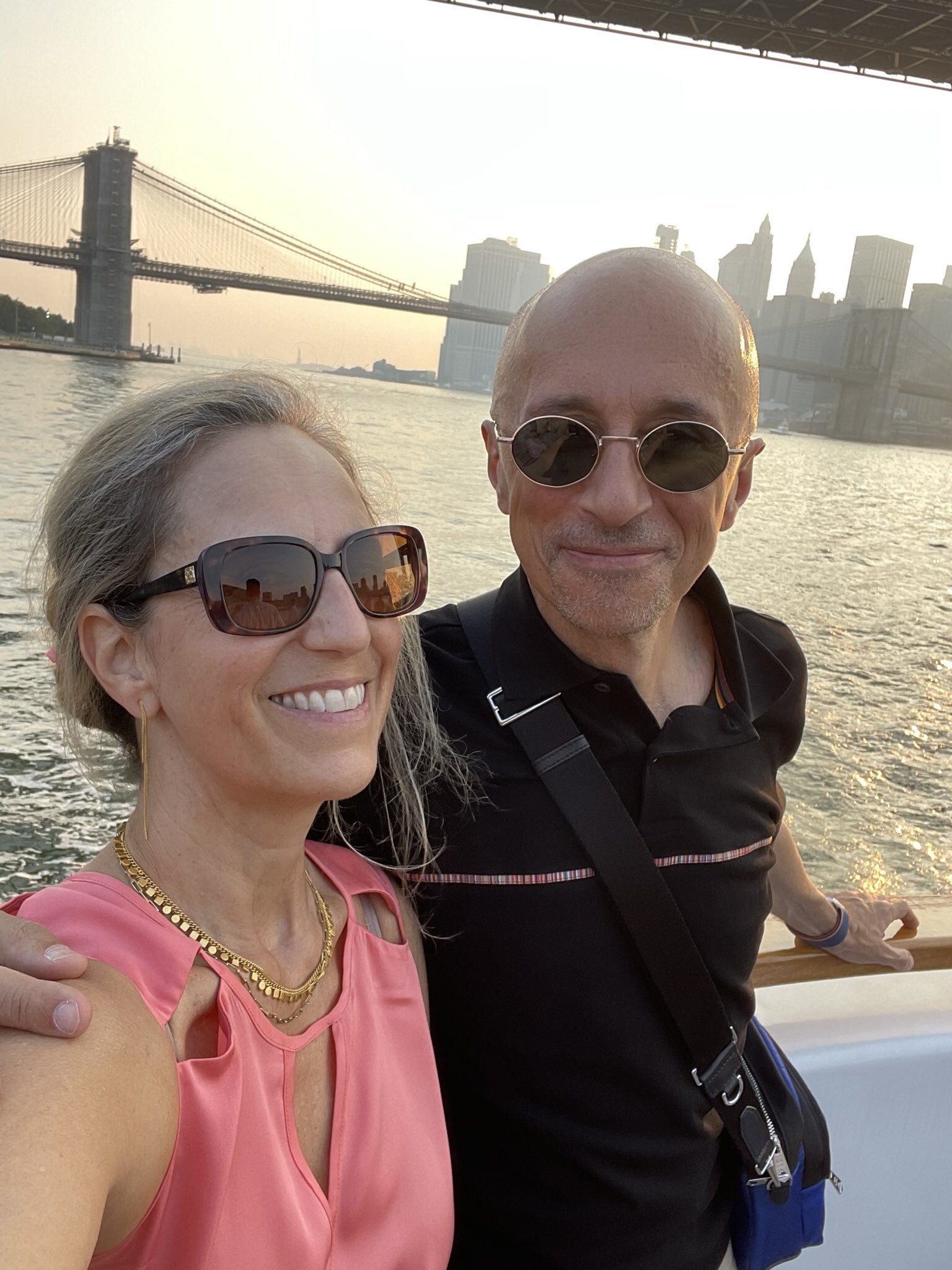
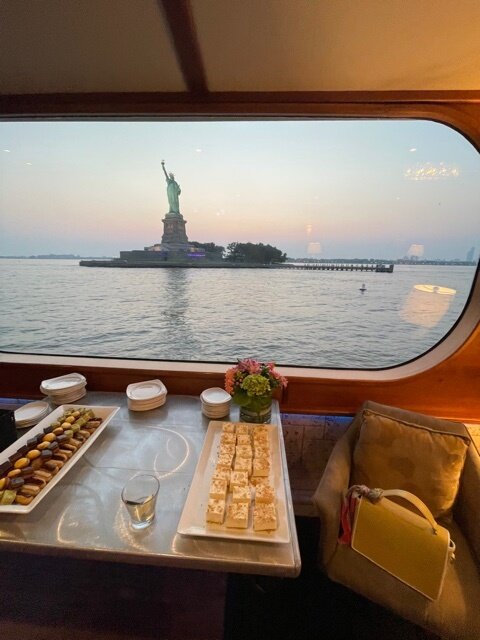
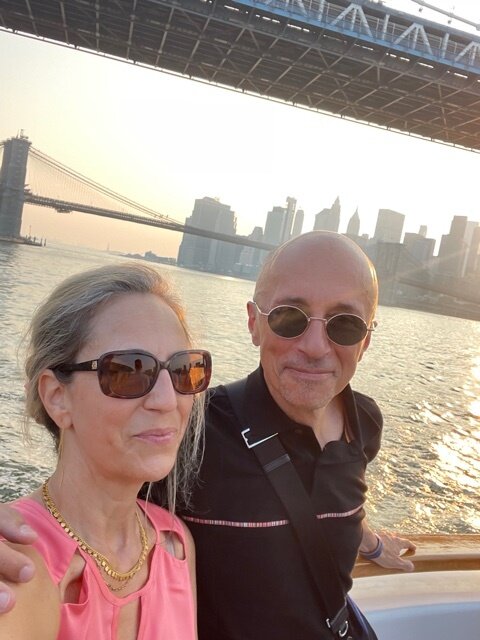
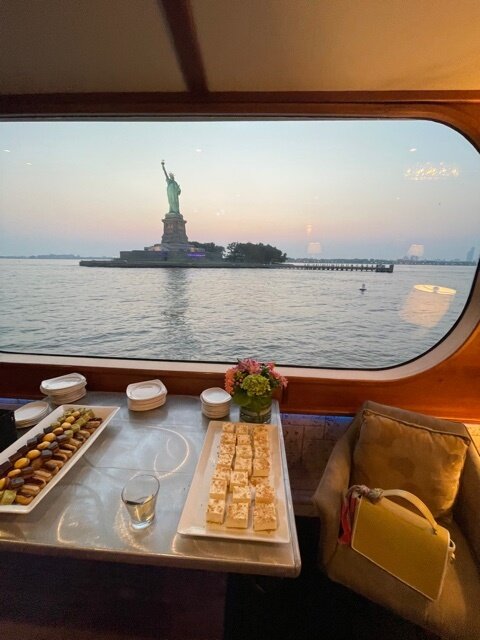
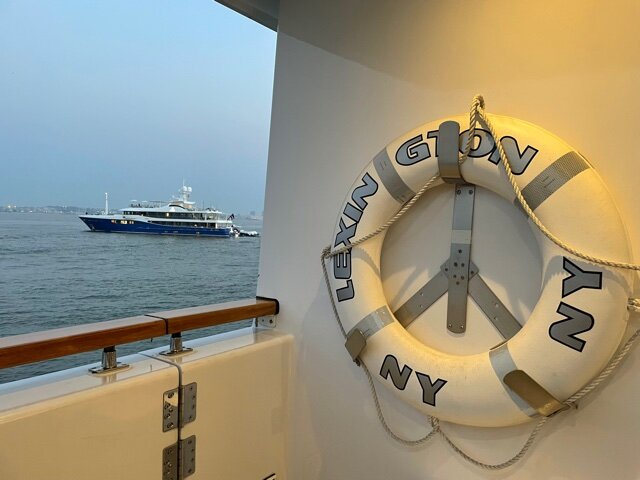
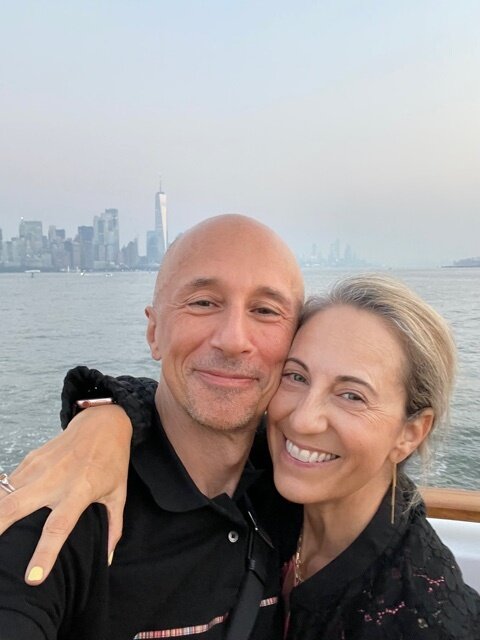
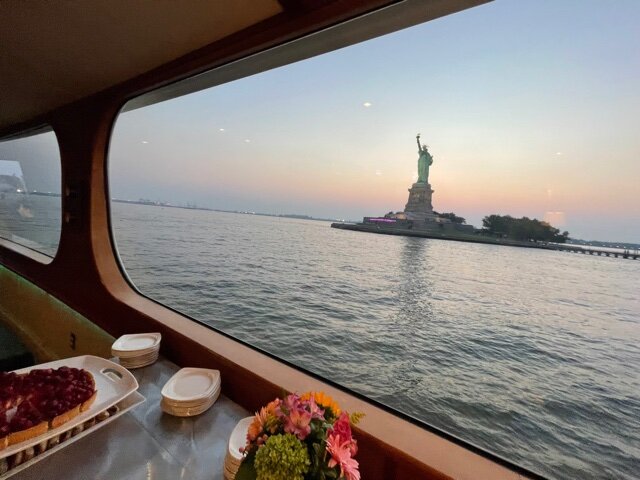
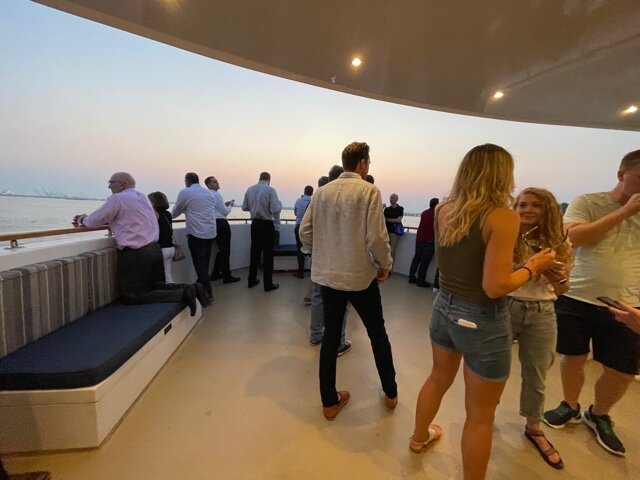
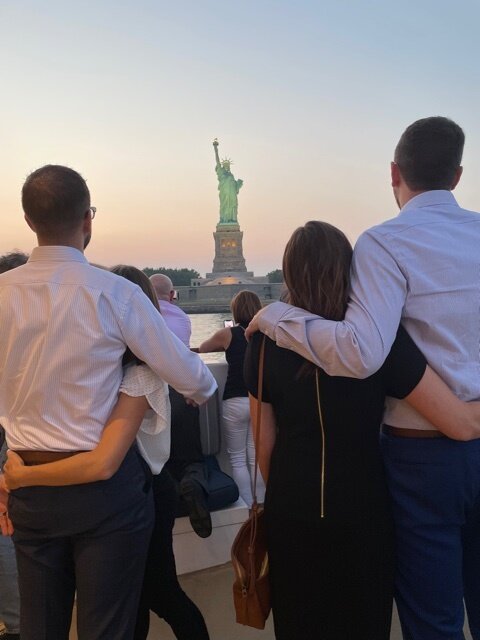
It was a stellar New York summer day, finished by a cruise around the island getting to know Owlet founders, executives, family, board members, and investors, enjoying the sunset breezes over enduring landmarks and stunning new developments.
I’ve said it before and I’ll say it again, I love New York!


Amazon buys MGM, now itching for actual updates to the content vault

So many of us have envisioned this day, or at least where things are now surely headed for MGM's legendary library!
Once worked in Studio Business Affairs at MGM in the 90s, you may recall.
Then prepandemic had the pleasure of pitching 10 Block, my social and mobile streaming platform solution to MGM, Madhu and the studio's distribution leadership, and together envisioning the impact of connecting today's global audiences -- where and when and how they are watching -- with MGM's vaulted riches.

Still itching to see actual forward-looking viewing conventions applied to older content. Personally, want annotations, episodes, interactivity.
Can you imagine, for instance, viewing MGM’s library of Old Hollywood classics and Bond blockbusters broken down into short modern length episodes you can chat with your friends about, and discovering what to watch through reviews and what your network is liking? That looks like this?
A woman can dream!
We know you're talking down to us and it depresses us
Women know we're being talked down to. We know we're being denied opportunities. We know we're being terrorized for the reason that someone else is sexist.
That’s what I told a podcaster last summer in an interview about misogyny and sexism. I believe misogyny leads to a low grade depression that all women experience.
Men need to engage and participate in the stamping out of misogyny. However, far too many are studiously avoidant. They’re not on the hashtags, they’re not in the conversations, they’re not sharing the revelations with their fellow men. This is not a topic they find interesting.
Newsflash: Women don’t find it ‘interesting’ either. It’s simply our reality.

Your performativity robs us all
Paying lip service is easy, that’s why people do it — to check a box that other people think is important, in the most efficient and expeditious way possible.
But lip service is also a waste of your resources, literally. You’ve wasted the opportunity to do something worthwhile for other people. Especially if you have a platform you can lend.

Washington Post has my opinion 8 months later
Washington Post says America needs civics and history to save democracy.
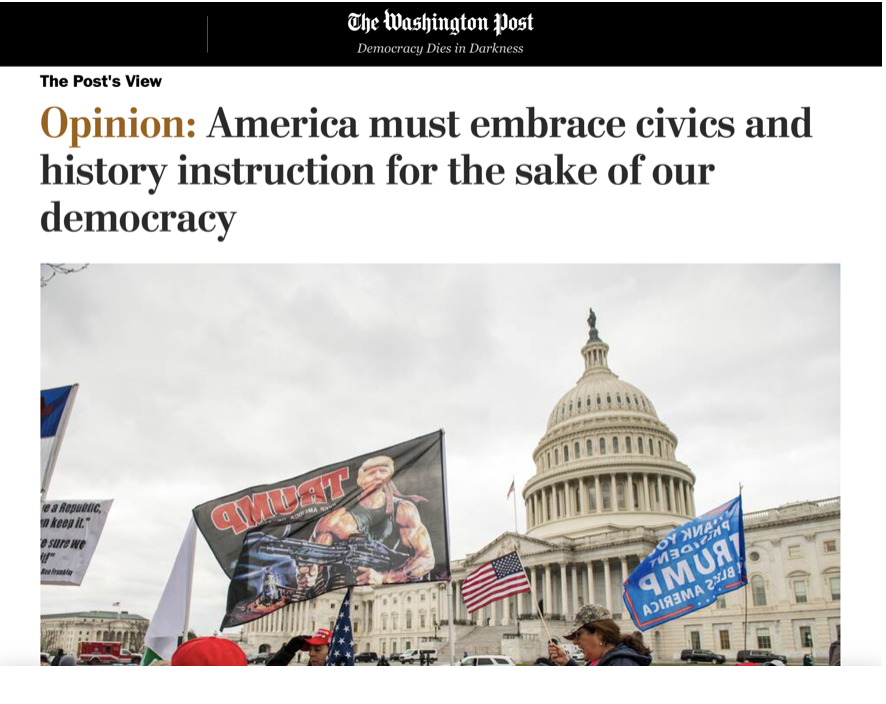
This is how the Post’s Editorial Board puts it today. “While the country spends about $50 federal dollars per student per year on science and math education, only five cents per year per student is allocated for civic education,” notes Lawrence Tribe whose tweet I first saw. “Democracy demands a population better educated in history and civics,” says the professor emeritus at Harvard Law School.
I said as much 8 months ago when announcing my pro-democracy knowledge project: America needs a re-education.

Helping people requires what one of my readers called “a new civil service journalism to inform citizens at a time when the Fourth Estate is dying and under attack, and news media has devolved into propaganda machines.”
My mission is to help with what comes next: when we dig out from the damage, there will be a massive need to educate people about what just happened.
Last June I wrote about my work on a curated knowledge & awareness project for concerned citizens.
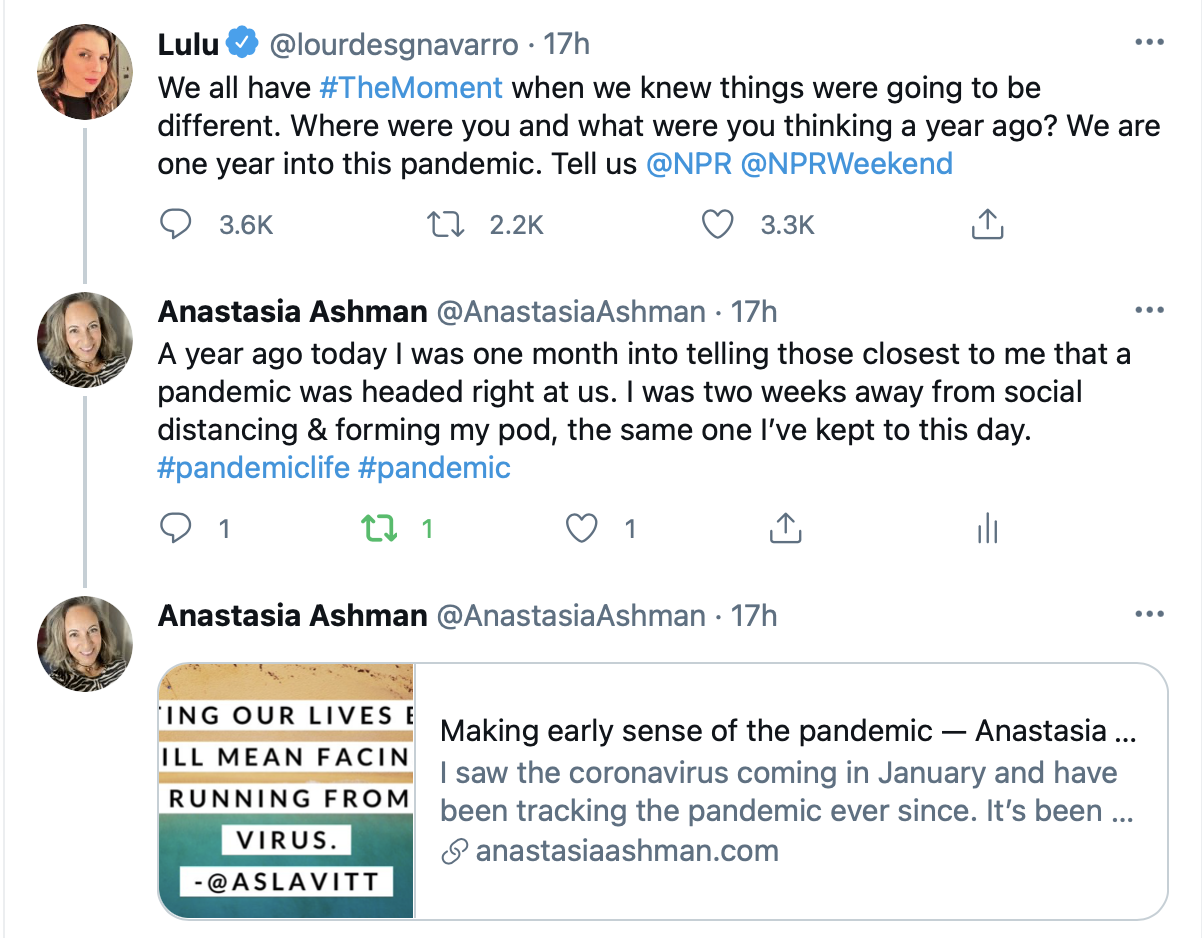
A year into the pandemic, what was #TheMoment when you knew?
NPR and NPR Weekend asked us on Twitter what was the moment we knew things were going to be ‘different’ due to the pandemic.
They ask us now, “one year into the pandemic”, expecting the answer to be “a year ago today, end of February I knew things were going to be different.”
But a year ago today I already knew. I was early to recognize the pandemic.

Welcoming a babytech unicorn to the family
Mine is a household of entrepreneurs. My husband Burc and I have both been working in the tech venture and startup world for decades. We’ve done startups together too!
Today the Silicon Slopes Series-B IOT company he joined last year — Owlet Baby Care, which makes a smart sock to measure blood oxygen levels in infants, among other connected nursery products — announced their merger with a special acquisition corporation at a Wall Street valuation of more than $1 billion. That’s a unicorn in Silicon Valley parlance.
Among the new partners Owlet is gaining are some fashion world luminaries like Tommy Hilfiger and the chairman of Tom Ford, Domenico De Sole, who are sure to take Owlet from Utah to the world.
Congrats to everyone who made Owlet a success!

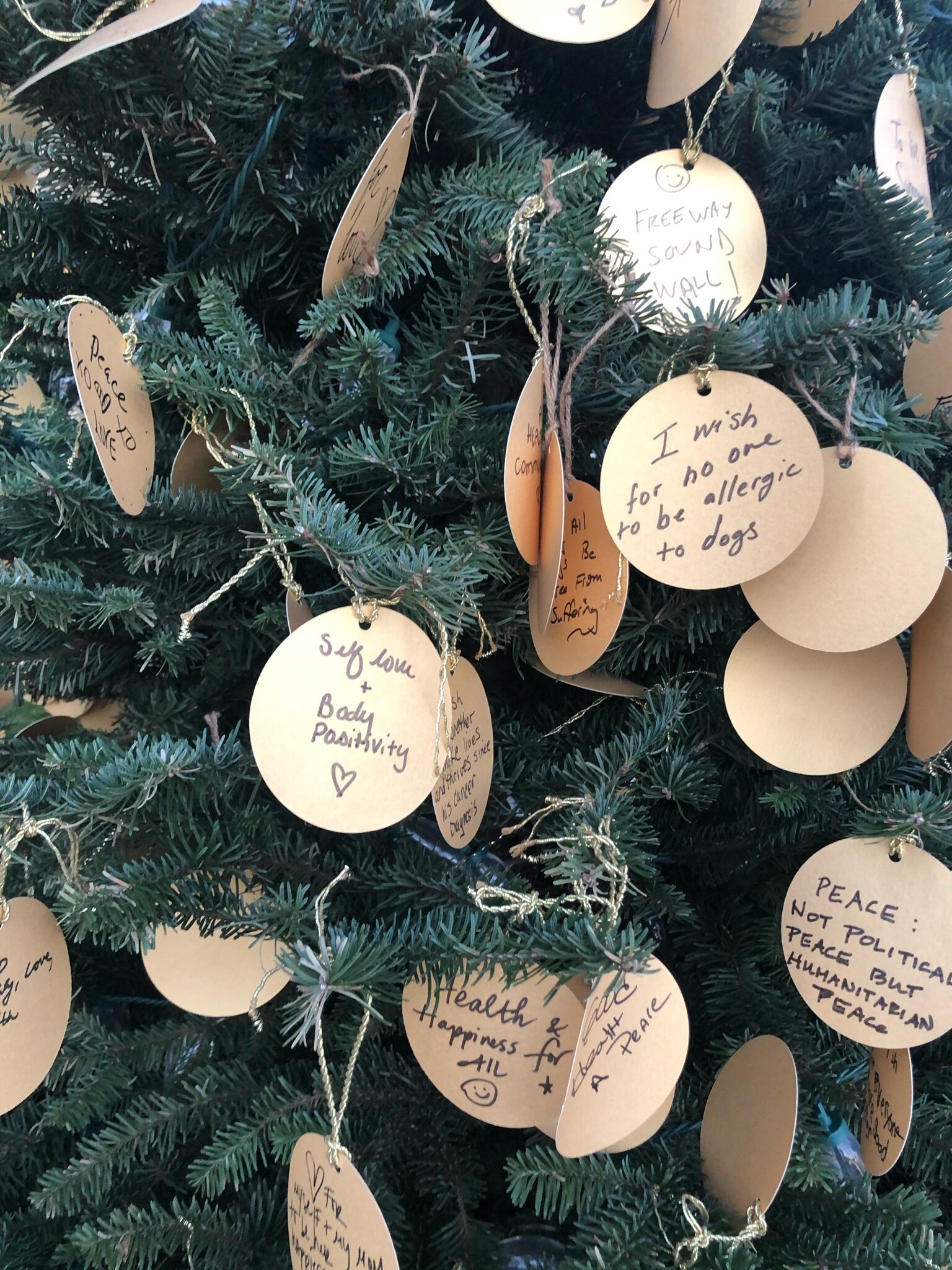
"I wish no one was allergic to dogs" and other 2021 best wishes
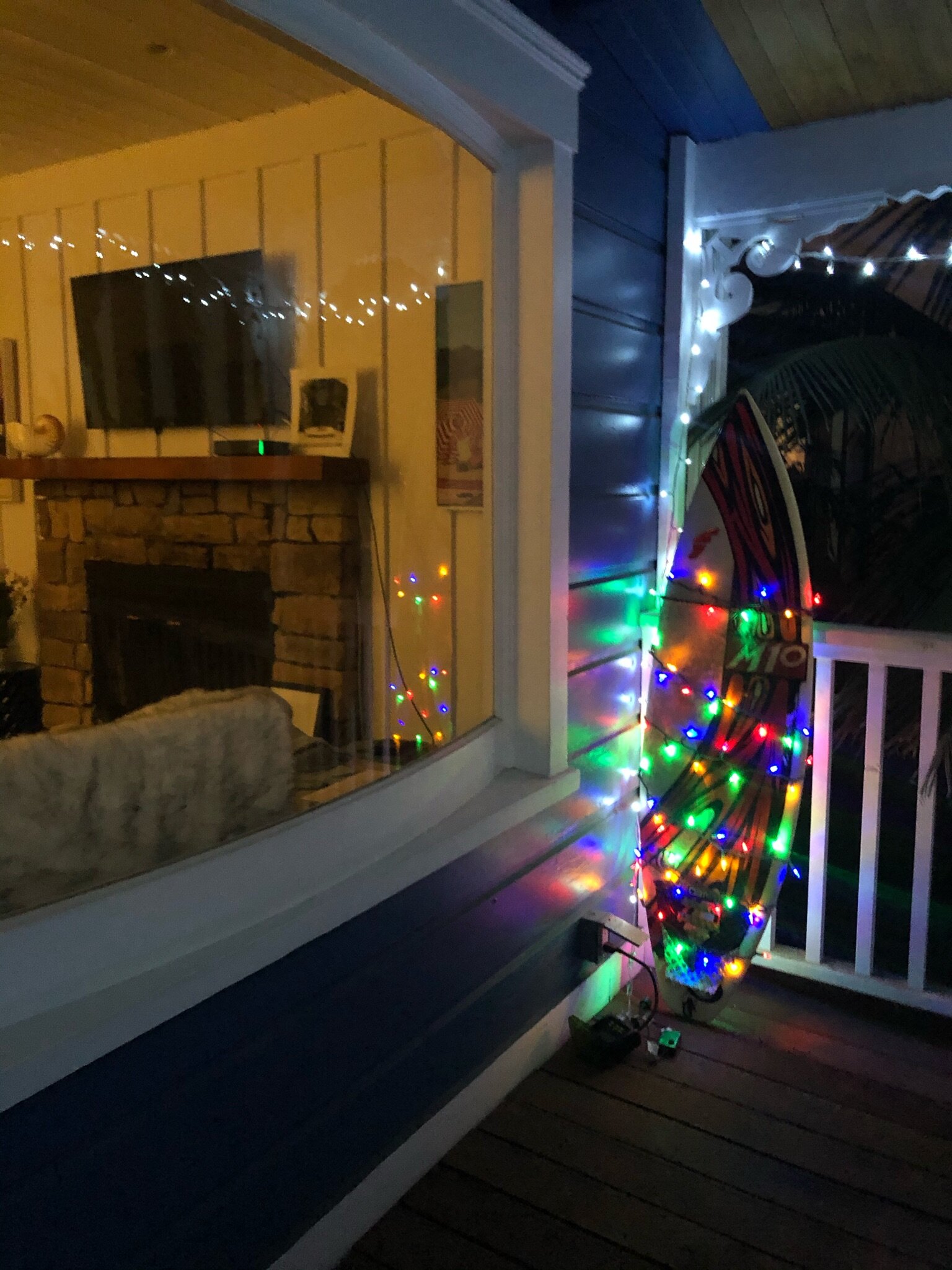
✨Happy New Year, everyone! May your wishes for 2021 come true.✨





A good moment for the right vanity press/publishing service
Publishing friends, authors, business women, entrepreneurs: what do you think of this new initiative from Worth Media?
A new pipeline to publishing for their subject-matter expert members to help build and further their careers,
an opportunity for people who traditionally have a harder time getting published or recognized,
to be released through an imprint/house for an established publisher (Simon & Schuster),
and author retains the rights.
My first thought? Vanity press. In a downmarket for publishing.
And then, well, okay. It's a good business opportunity to provide publishing services direct to an underserved information-rich community. And, then, hey maybe better than OK. For everyone involved, including the readers of these books. Read about it here.

The End of Second Screen/10 Block (2018-2020): my contribution to the streaming wars
In October 2020, Estella Gabriel and I shut down 10 Block, the entertainment technology startup I co-founded with her in 2018 as Second Screen.

We started with an idea about how people watch television and movies: what if discovering something to watch could be as social as talking about it afterward?
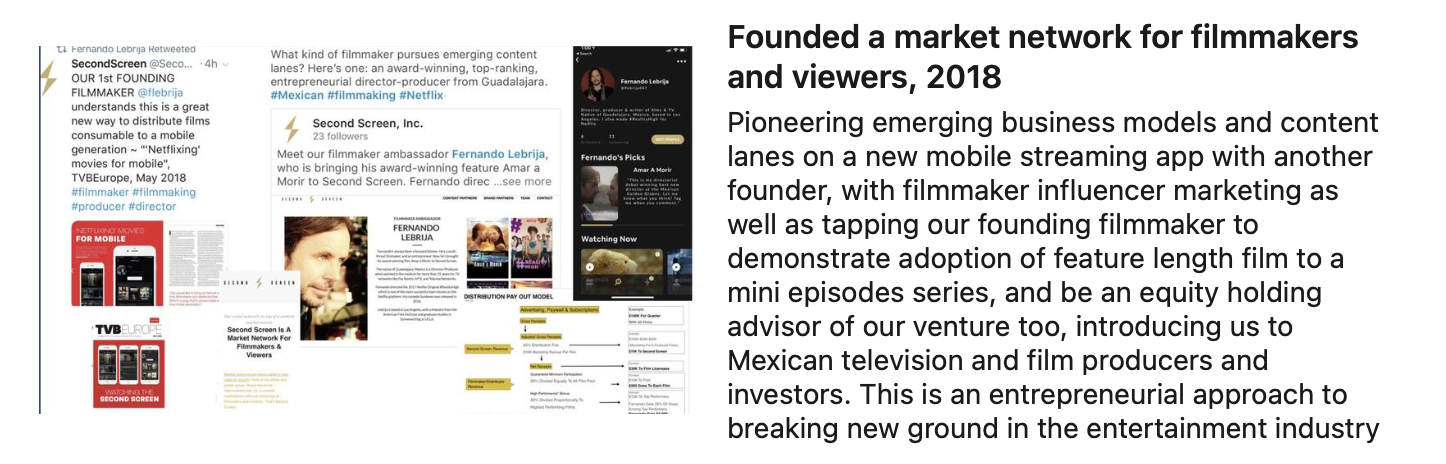
Our first product combined mobile streaming, short-form entertainment, and social interaction. We worked with filmmakers, explored new distribution models, and built a platform where viewers could discover, watch, and discuss content together.
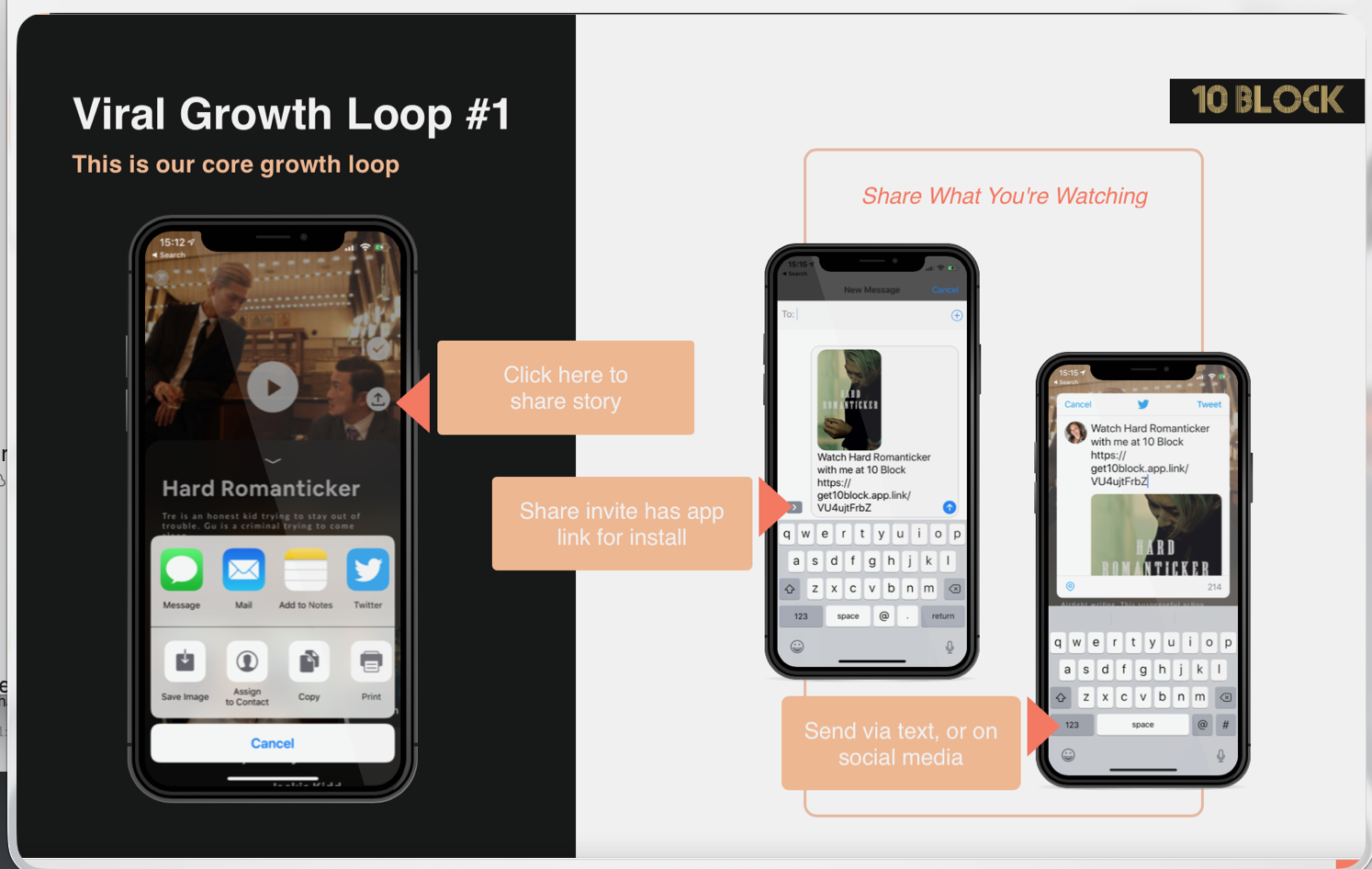
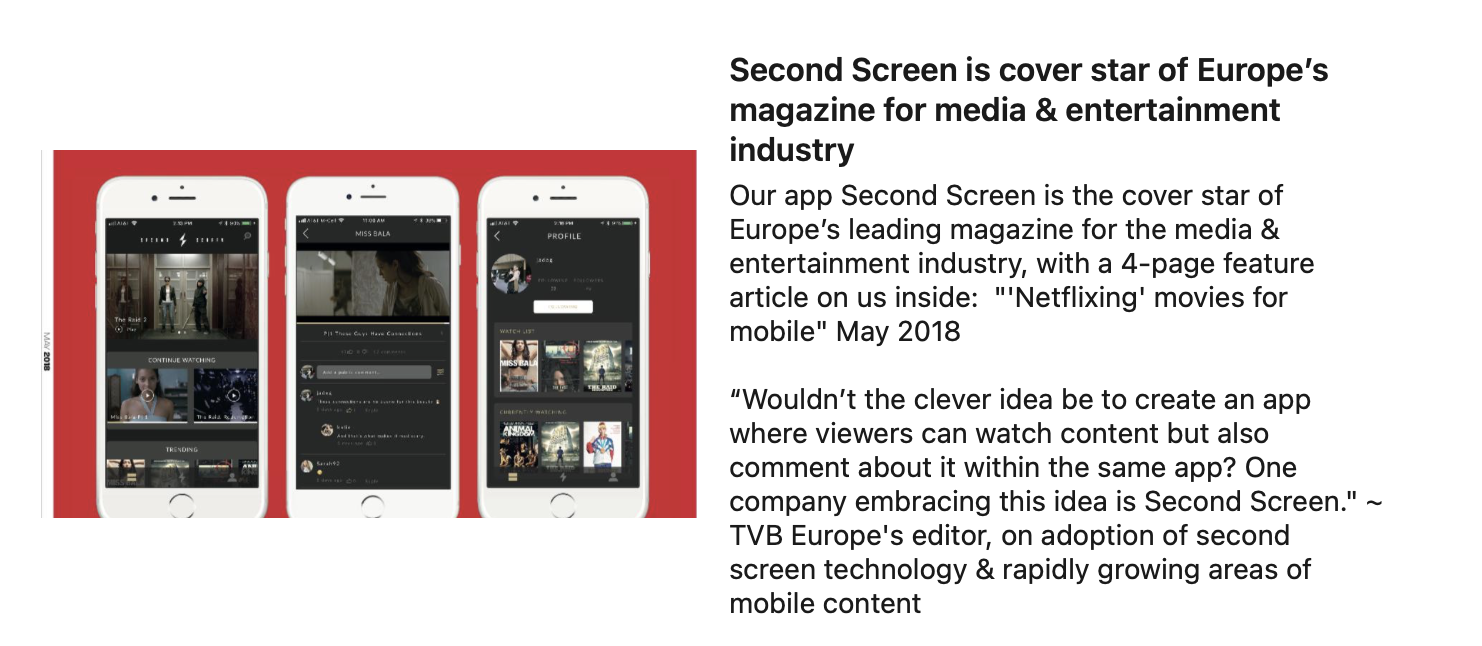
Second Screen attracted attention early on, including a cover story and four-page feature in TVBEurope in May 2018. As the streaming landscape changed, so did our product. We evolved into 10 Block, a universal TV and movie discovery app designed to help people find what to watch across streaming services through recommendations from friends.
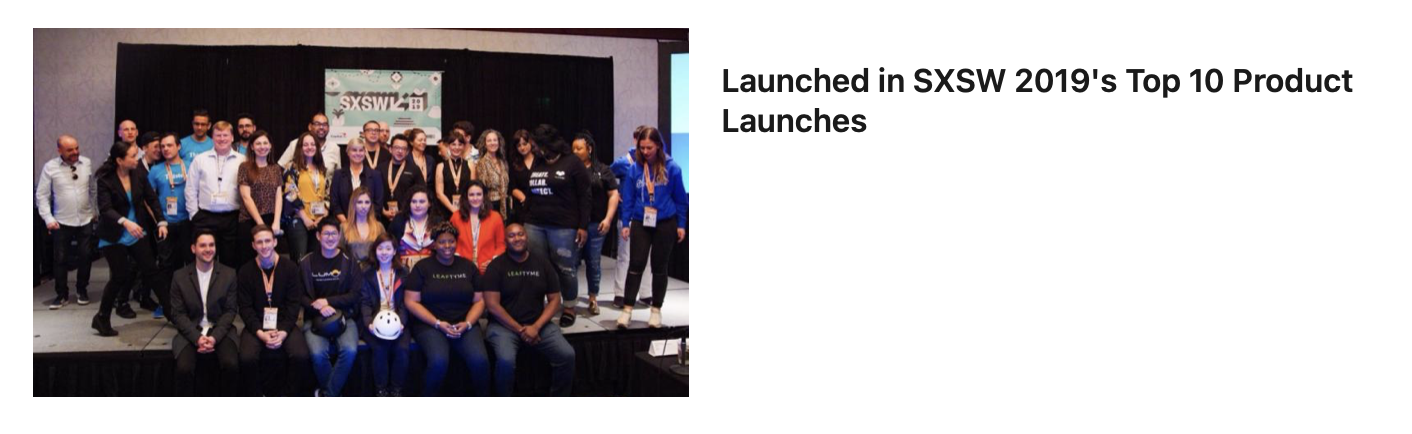
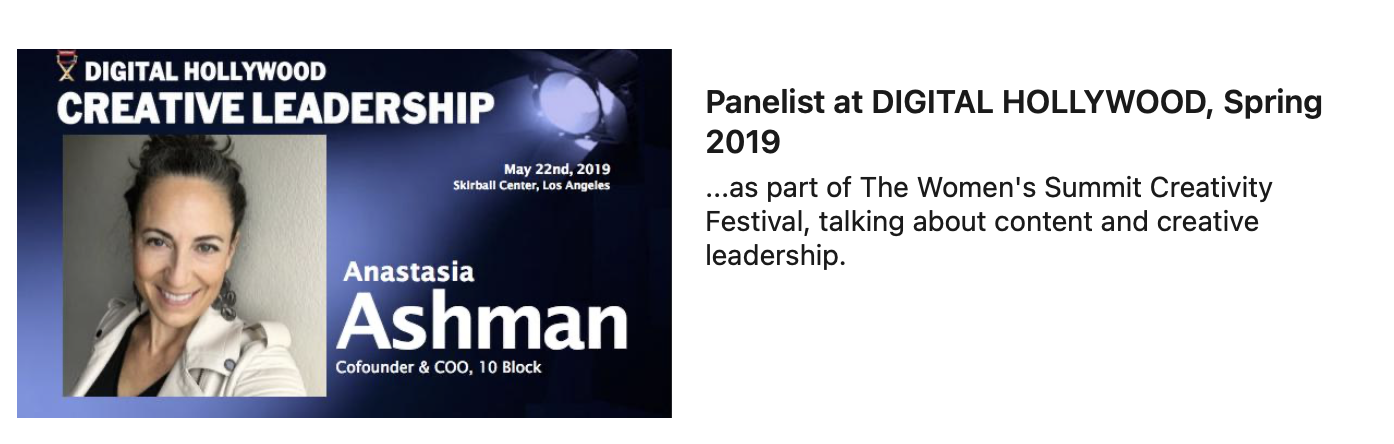
We secured venture backing from Mogility Capital and others, developed patent-pending technology, and were selected as one of ten finalists in the 2019 SXSW Release It competition. Among many appearances we founders made, I represented the company on a panel at Digital Hollywood.
But attention, investment, and a promising product weren't enough to make the business sustainable. Despite several iterations, we never quite found the product-market fit we needed to keep going.
I'm disappointed that we couldn't take 10 Block further, but proud of what we accomplished.
We took an idea through product development, testing, fundraising, industry partnerships, and a major public launch. We built relationships with filmmakers, distributors, investors, and entertainment industry veterans. And we got to experiment at a time when the television business was changing almost faster than anyone could keep up with it.
I still believe in the original insight: people don't discover entertainment in isolation. What their friends are watching, discussing, and recommending matters, particularly when there are more streaming services and more choices than anyone can reasonably navigate.
As for me, co-founding an entertainment technology startup was an education in just about everything: product development, operations, marketing, investor relations, intellectual property, and the practical business of turning an idea into something people can actually use.
It didn't end the way we'd hoped, but I'm glad we tried.
My contribution to the streaming wars!
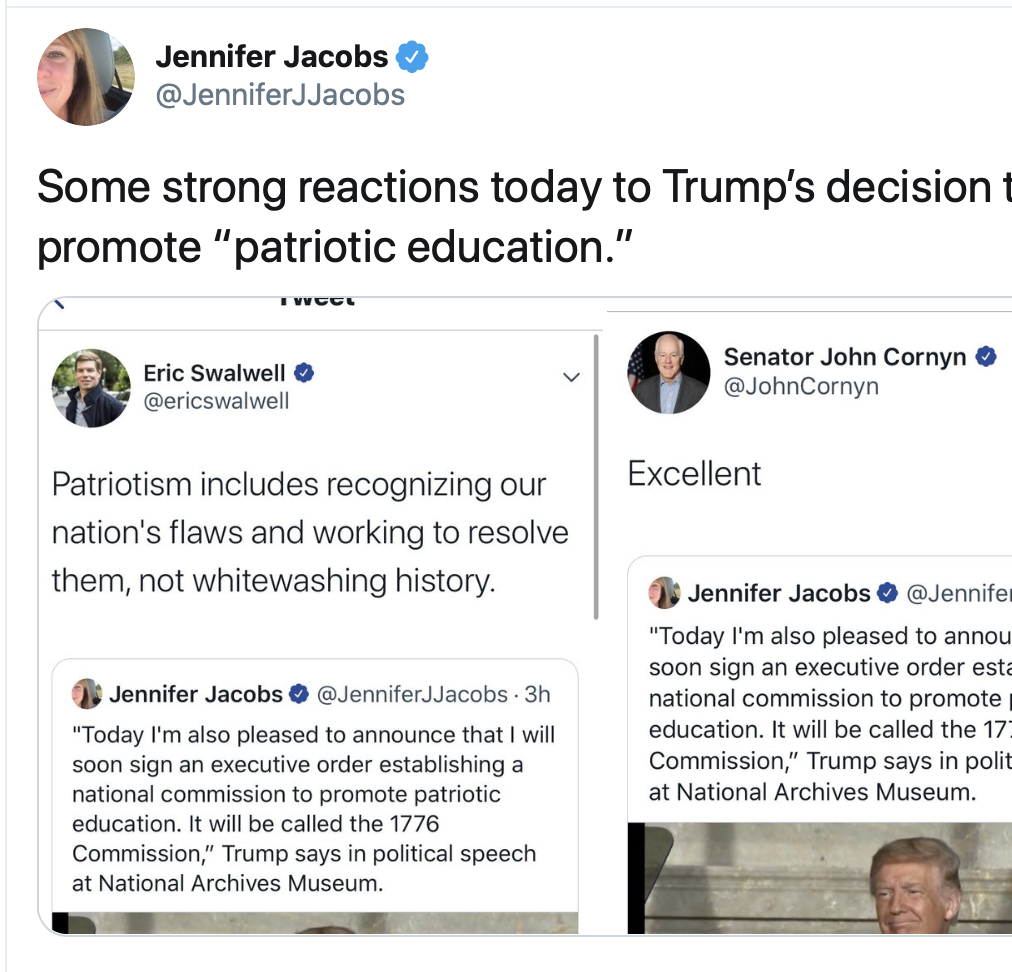

If I were writing the book on 2020, this would be the BLUF

This is how a book written by the ‘generative journalism” account/“knowledge service in an infodemic” I contribute to would start. I believe that’s called BLUF: bottom line, up front.
What would the first sentence of YOUR book on 2020 be?
Can a venture studio change the racial dynamic in Silicon Valley?
Have you heard of venture studios?

They're like movie studios, but instead of producing and releasing movies they create startups ready to scale. A venture studio focuses on just a few ventures and puts more funding into them than you'd see with an accelerator which places many small bets. They also recruit top executives once the existential question of "is this solution commercially viable?" can be answered with "yes".
One venture studio may be a way to solve a longtime problem in Silicon Valley: only 1% of VC goes to black- or brown-founded startups.
The sweet spot of Revitalize Venture Studio, from longtime SaaS entrepreneur Clarence Wooten, is knowing how to get a high-potential startup founded by diverse black and brown founders to product-market fit.
Often these are the very founders that lack access to early seed capital (up to $750K, far beyond most Family & Friends raises) needed to extend the life of their startup to get to product-market fit, which is a necessary stage to attract VC funding for Series A.
I just had the pleasure of meeting Clarence and learning more about his venture studio and want you to take a look at this pragmatic opportunity to support more POC in the Silicon Valley universe.
Radical, systemic change in the tech industry starts with us
You may have guessed that women in tech & digital are under represented across management/teams.
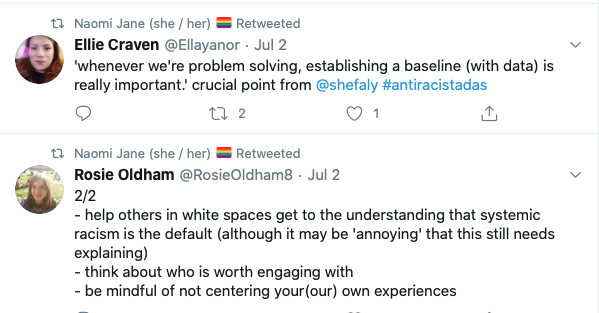
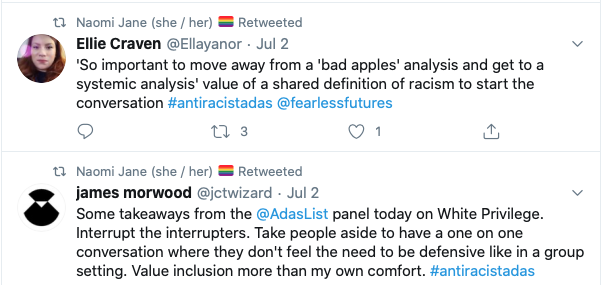
I live tweeted an antiracism panel attended by 300 people from around the global and produced by Ada's List, an intersectional group committed to changing the tech industry at scale — from culture of a company, an overt policy, to processes that sideline women.

Radical, systemic change starts with us, says Ada’s List founder Merici Vinton.
Ada’s List is the place for professional women who work in and around the internet to connect, conspire, and take a stand. The group of 700
promote, support, hire & interview women
recommend 1 qualified woman or POC to interview for each open position
make our environment positive
help juniors progress in their careers
Sound familiar? It’s their take on the Shine Theory of Aminatou Sow and Ann Friedman, says Vinton.
On White Privilege: Getting uncomfortable with our privilege, bias, and 3 actions to take is an event to keep focused on dismantling racist structures, raises funds for three Black-led organizations (@TheSisterSystem @ThisIsYSYS @azmaguk), and is part of the Ada’s List ReStructure Series. The rolling series of talks discuss and proactively work through some of the biggest issues coming out of the events happening right now.
"How are you doing?", Vinton as moderator of the panel asks the women of color, re Black Lives Matter protests.
"I spent the last 3 mos having these conversations. The process of exploring, meeting people where they are is quite healing," says one woman.
"Pissed it's taken so long for people to recognize this is a problem," answers another.
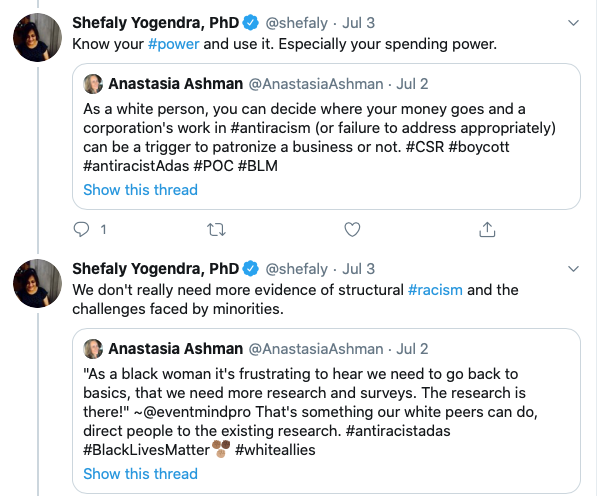
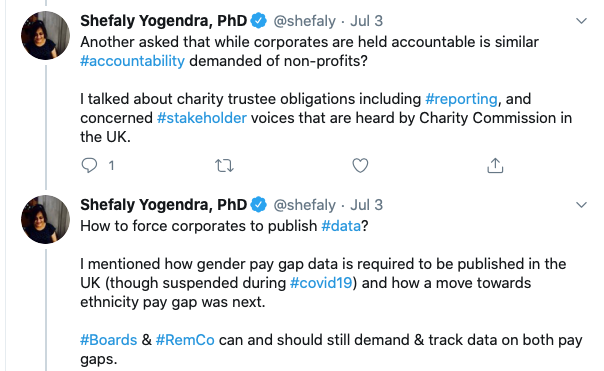
In company replies to BLM, "The voice of perpetrators & observers was amplified, centering their response rather than centering the pain,” points out Shefaly Yogendra. She digs into this in her blog "BLM in the Boardroom". "Where are your metrics?" she asks these companies that are virtue signalling. (Read Shefaly’s Twitter thread about the panel.)

Many corporations put out Black Lives Matters messages, while having few if any POC on their boards, in management, in their workforce
Virtue signalling. Have you heard of it? Another example of virtue signaling is the number of “BlackoutTuesday” profiles vs. the number of people signing petition to see justice done in the case of Breonna Taylor, one panelist pointed out.
"This is 400 years of oppression, it's not going to be solved in a webinar," says a panelist.
Also, "Resistance is normal", it's not a sign you shouldn't continue to speak up as a white ally when appropriate....get used to that feeling.
Be aware where you can be most effective. Not all platforms are the right place, fighting trolls on Twitter may not be worth your while.
Some conversations will be more effective when done in private. But NOT saying something is no longer an option.
"Diversity and inclusion is like any other business performance metric, or at least it should be," says Ashanti Bentil-Dhue
"Don't ask POC to do your org's work for free" says Yogendra.
"Talking about race is a non-negotiable now," adds Bentil-Dhue, but some business leaders think it's optional.
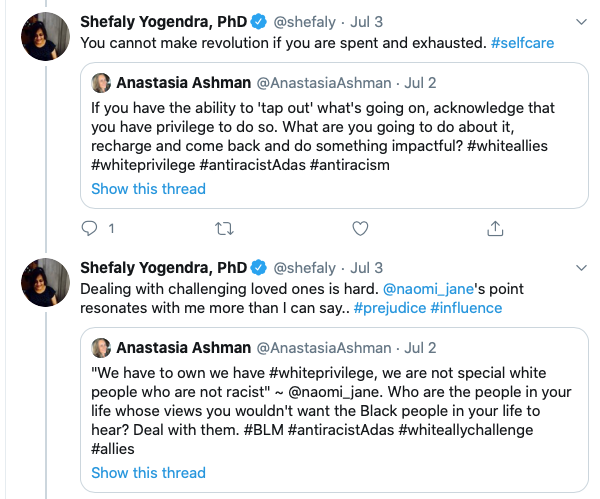
"We have a problem in the corporate space that can't talk about unconscious bias, in gender & race," says Naomi Jane.

Ada’s List round up of the best tweets about the panel on the #AntiracistAdas Twitter tag, and homework.
As a white person, you can decide where your money goes and a corporation's work in antiracism (or failure to address appropriately) can be a trigger to patronize a business or not.
"As a black woman it's frustrating to hear we need to go back to basics, that we need more research and surveys. The research is there!" says Bentil-Dhue.
That's something our white peers can do, direct people to the existing research.
This history of management is based in slavery & we have to address that to improve
The history of management is based in slavery, once you see it you can see what it's doing to the people you work with and what you can change to make people the best they can be, says Yogendra.
If you have the ability to 'tap out' from what's going on, acknowledge that you have privilege to do so.
What are you going to do about it, recharge and come back and do something impactful?
How does the recruitment process or governance structure of your organization perpetuate racism?
POC have to provide unpaid labor to teach white people not to be racist.
"When white people can't get your name right chances are everything you do will be reduced to a stereotype," says Shefaly Yogendra.
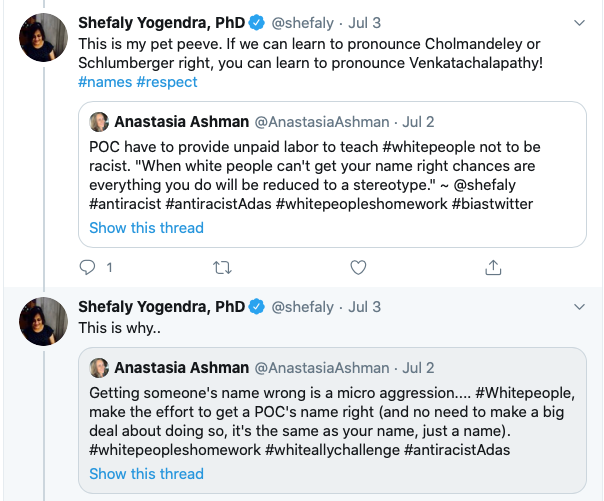
Getting someone's name wrong is a micro aggression. White people, make the effort to get a POC's name right (and no need to make a big deal about doing so, it's the same as your name, just a name).
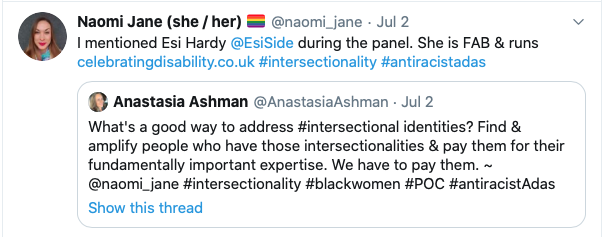
What's a good way to address intersectional identities?
Find & amplify people who have those intersectionalities & pay them for their fundamentally important expertise. We have to pay them, says Naomi Jane.
Today's bookshelf
Our bookshelf of tomes about this dark chapter in American political history keeps growing…
“Age Of Lies. Rigged. Cold War. Hot Peace. Dirty Money. Unfreedom. Shadow State. Red Notice. Stable Genius. Untold Story. Putin’s People. Crime In Progress. Secret Meetings. Dark Towers. Trail Of Destruction. Age of Trump.”
We’ll keep adding to it until this chapter of history is fully written & in the dustbin.
Here’s to the heroes among us who are going to bring us through.