Your performativity robs us all
Paying lip service is easy, that’s why people do it — to check a box that other people think is important, in the most efficient and expeditious way possible.
But lip service is also a waste of your resources, literally. You’ve wasted the opportunity to do something worthwhile for other people. Especially if you have a platform you can lend.

Washington Post has my opinion 8 months later
Washington Post says America needs civics and history to save democracy.
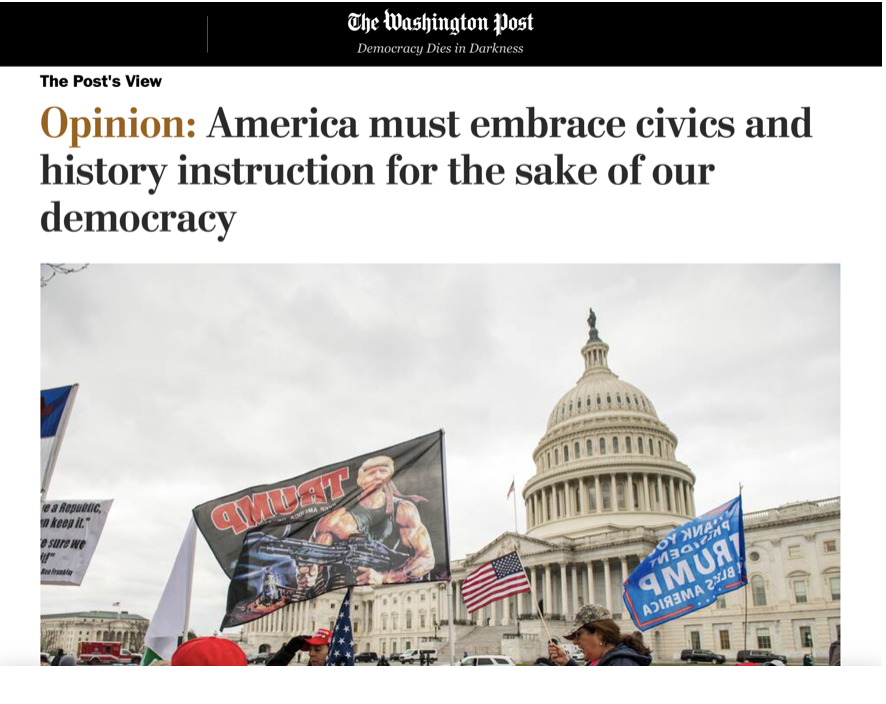
This is how the Post’s Editorial Board puts it today. “While the country spends about $50 federal dollars per student per year on science and math education, only five cents per year per student is allocated for civic education,” notes Lawrence Tribe whose tweet I first saw. “Democracy demands a population better educated in history and civics,” says the professor emeritus at Harvard Law School.
I said as much 8 months ago when announcing my pro-democracy knowledge project: America needs a re-education.

Helping people requires what one of my readers called “a new civil service journalism to inform citizens at a time when the Fourth Estate is dying and under attack, and news media has devolved into propaganda machines.”
My mission is to help with what comes next: when we dig out from the damage, there will be a massive need to educate people about what just happened.
Last June I wrote about my work on a curated knowledge & awareness project for concerned citizens.
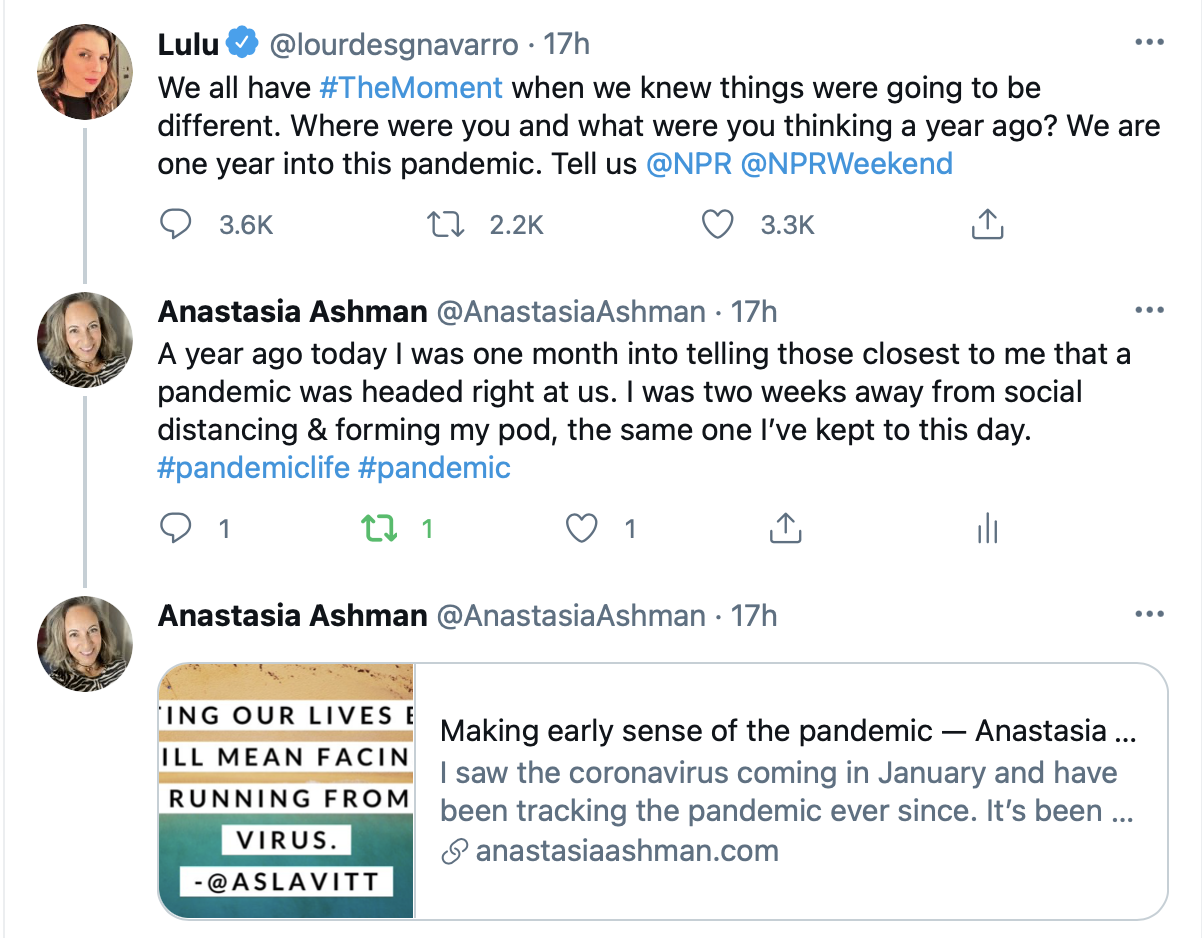
A year into the pandemic, what was #TheMoment when you knew?
NPR and NPR Weekend asked us on Twitter what was the moment we knew things were going to be ‘different’ due to the pandemic.
They ask us now, “one year into the pandemic”, expecting the answer to be “a year ago today, end of February I knew things were going to be different.”
But a year ago today I already knew. I was early to recognize the pandemic.

Welcoming a babytech unicorn to the family
Mine is a household of entrepreneurs. My husband Burc and I have both been working in the tech venture and startup world for decades. We’ve done startups together too!
Today the Silicon Slopes Series-B IOT company he joined last year — Owlet Baby Care, which makes a smart sock to measure blood oxygen levels in infants, among other connected nursery products — announced their merger with a special acquisition corporation at a Wall Street valuation of more than $1 billion. That’s a unicorn in Silicon Valley parlance.
Among the new partners Owlet is gaining are some fashion world luminaries like Tommy Hilfiger and the chairman of Tom Ford, Domenico De Sole, who are sure to take Owlet from Utah to the world.
Congrats to everyone who made Owlet a success!

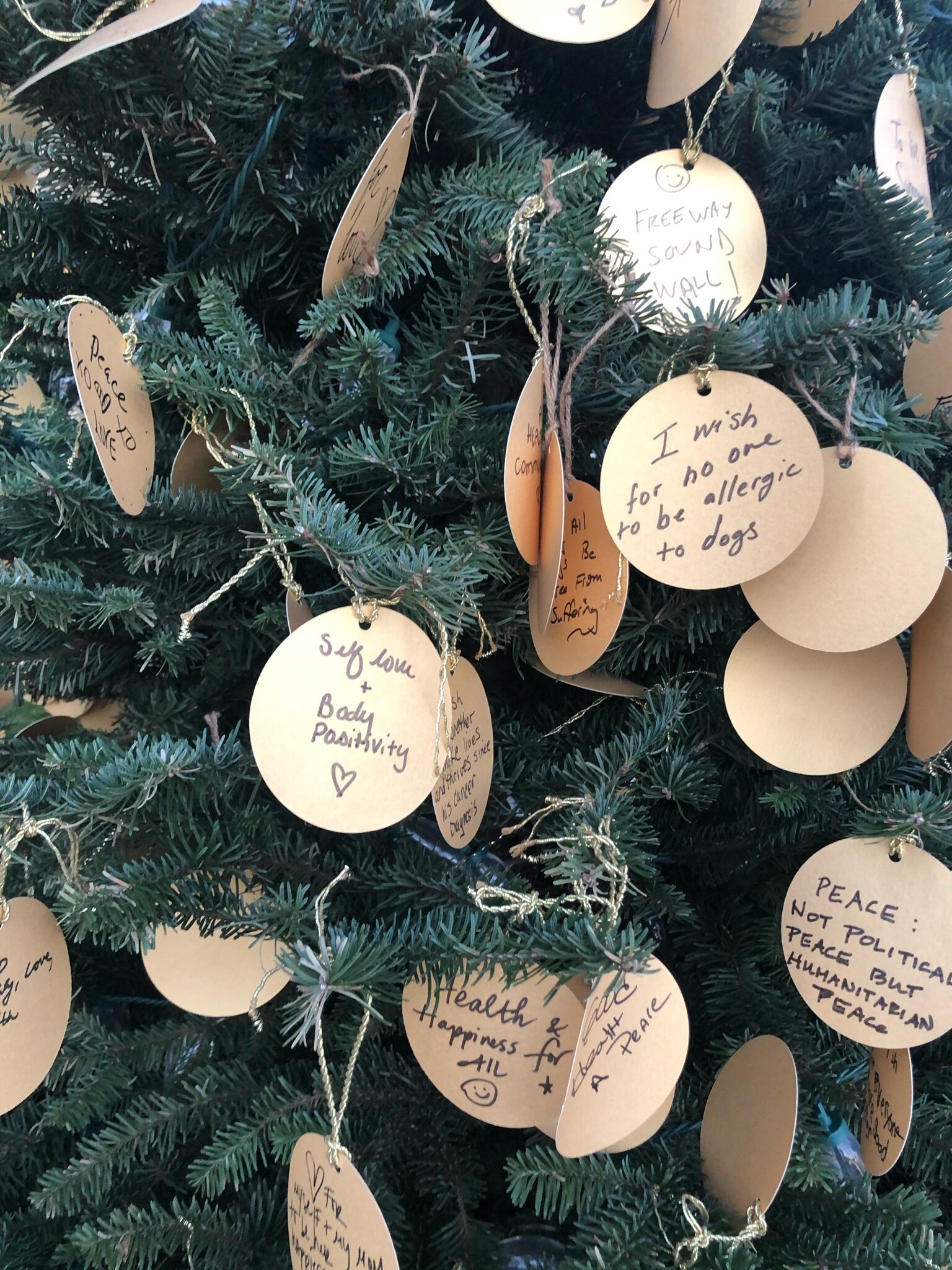
"I wish no one was allergic to dogs" and other 2021 best wishes
✨Happy New Year, everyone! May your wishes for 2021 come true.✨



A good moment for the right vanity press/publishing service
Publishing friends, authors, business women, entrepreneurs: what do you think of this new initiative from Worth Media?
A new pipeline to publishing for their subject-matter expert members to help build and further their careers,
an opportunity for people who traditionally have a harder time getting published or recognized,
to be released through an imprint/house for an established publisher (Simon & Schuster),
and author retains the rights.
My first thought? Vanity press. In a downmarket for publishing.
And then, well, okay. It's a good business opportunity to provide publishing services direct to an underserved information-rich community. And, then, hey maybe better than OK. For everyone involved, including the readers of these books. Read about it here.

The End of Second Screen/10 Block (2018-2020): my contribution to the streaming wars
In October 2020, Estella Gabriel and I shut down 10 Block, the entertainment technology startup I co-founded with her in 2018 as Second Screen.
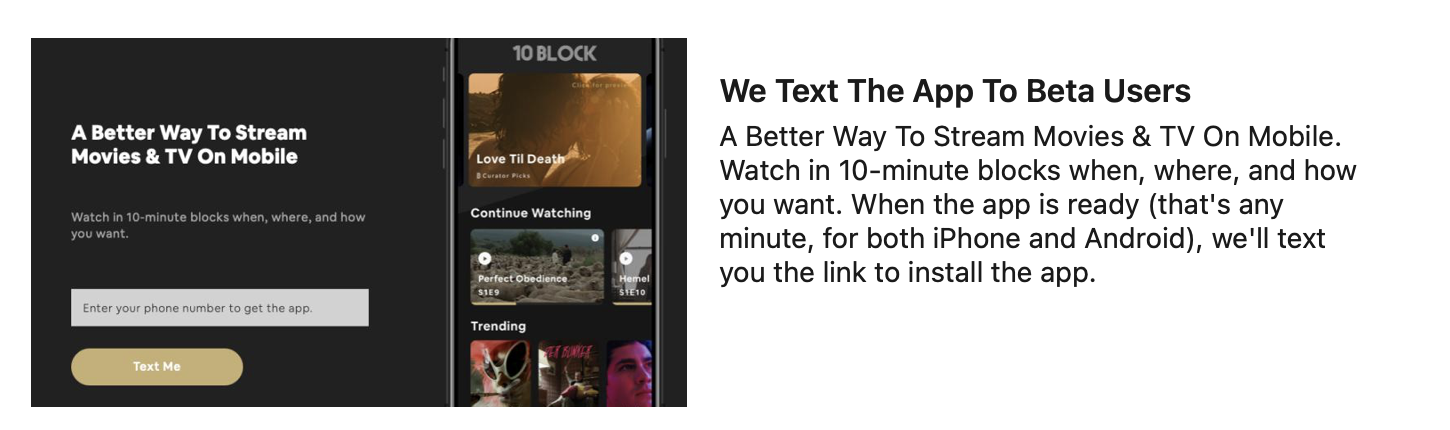
We started with an idea about how people watch television and movies: what if discovering something to watch could be as social as talking about it afterward?
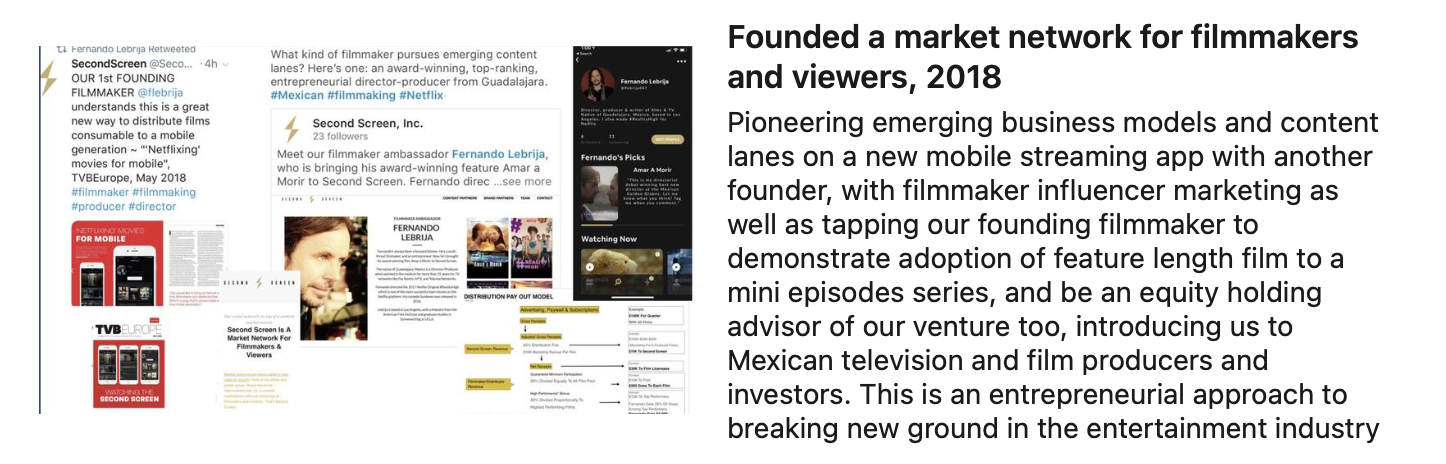
Our first product combined mobile streaming, short-form entertainment, and social interaction. We worked with filmmakers, explored new distribution models, and built a platform where viewers could discover, watch, and discuss content together.
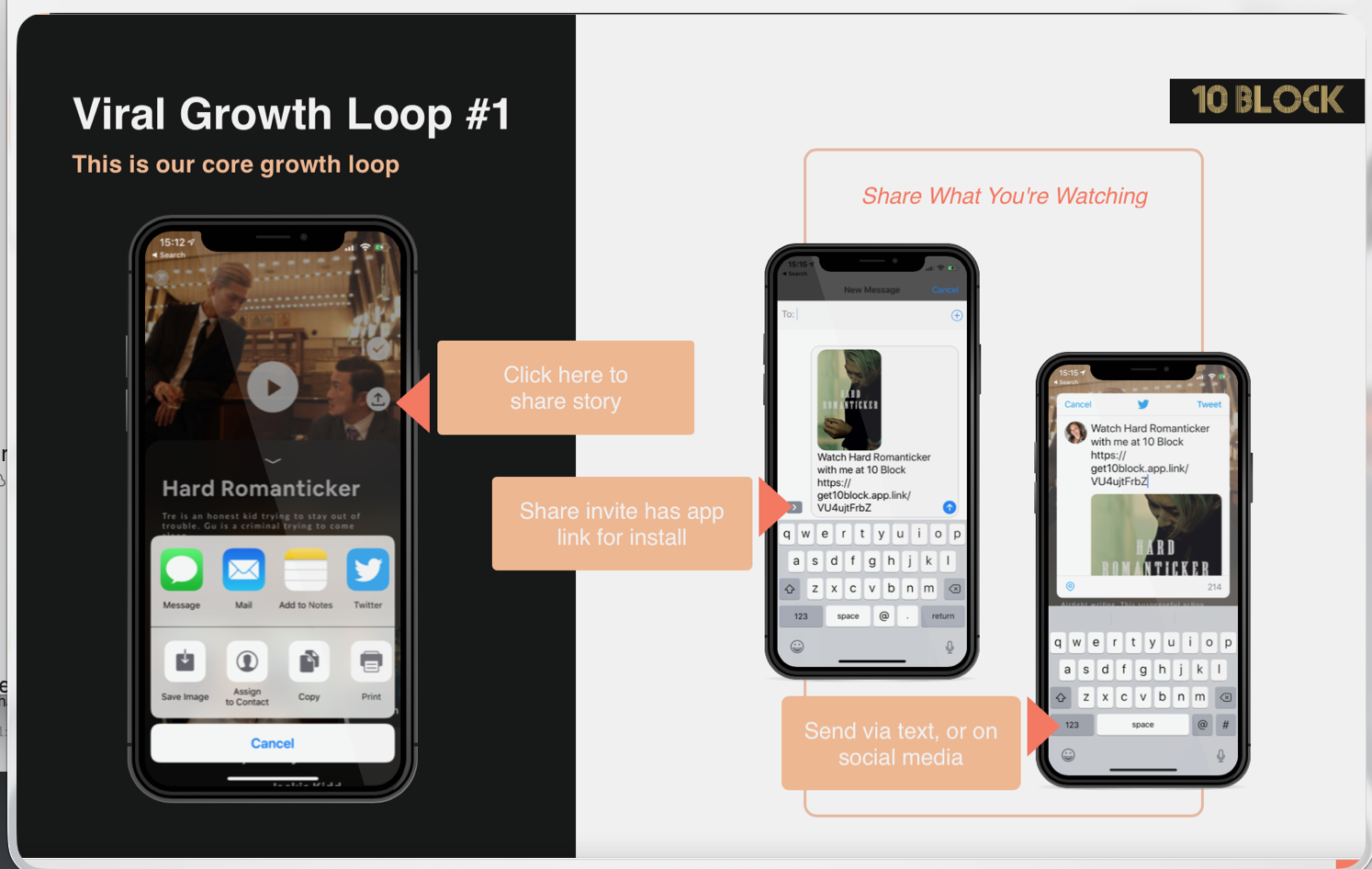
Second Screen attracted attention early on, including a cover story and four-page feature in TVBEurope in May 2018. As the streaming landscape changed, so did our product. We evolved into 10 Block, a universal TV and movie discovery app designed to help people find what to watch across streaming services through recommendations from friends.
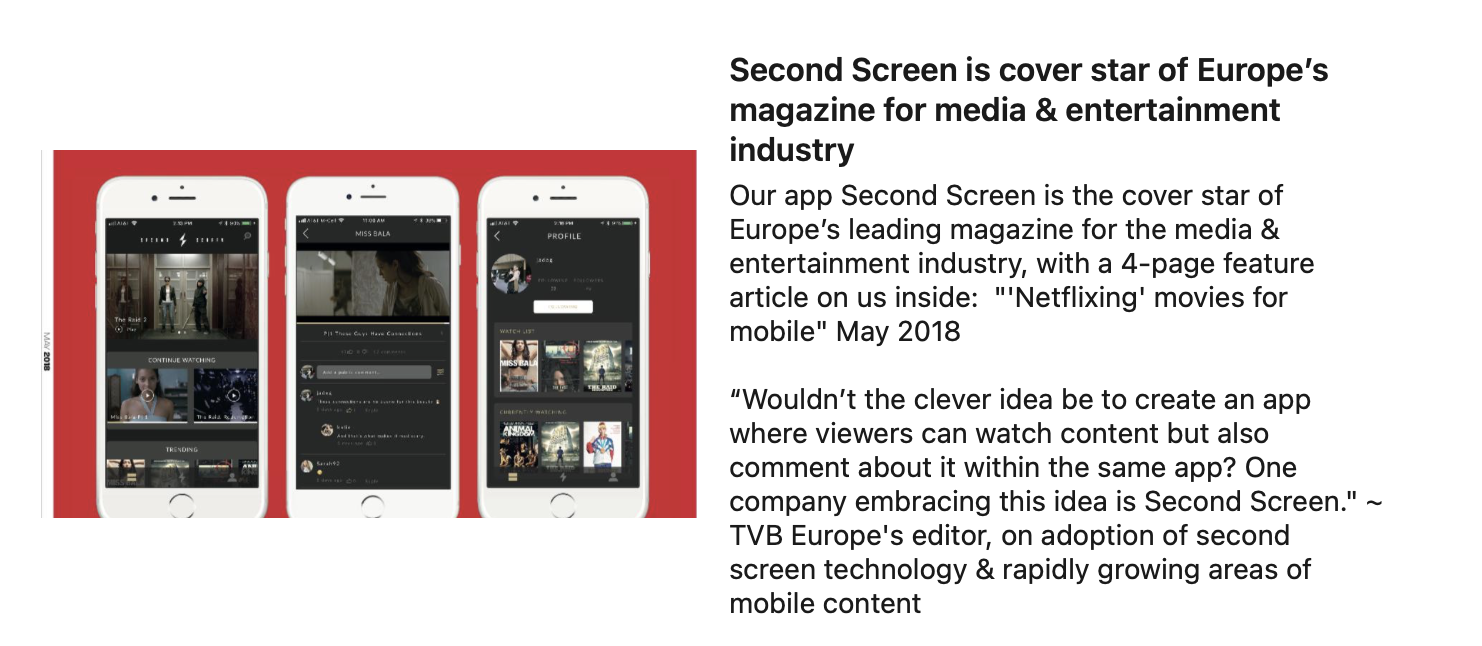
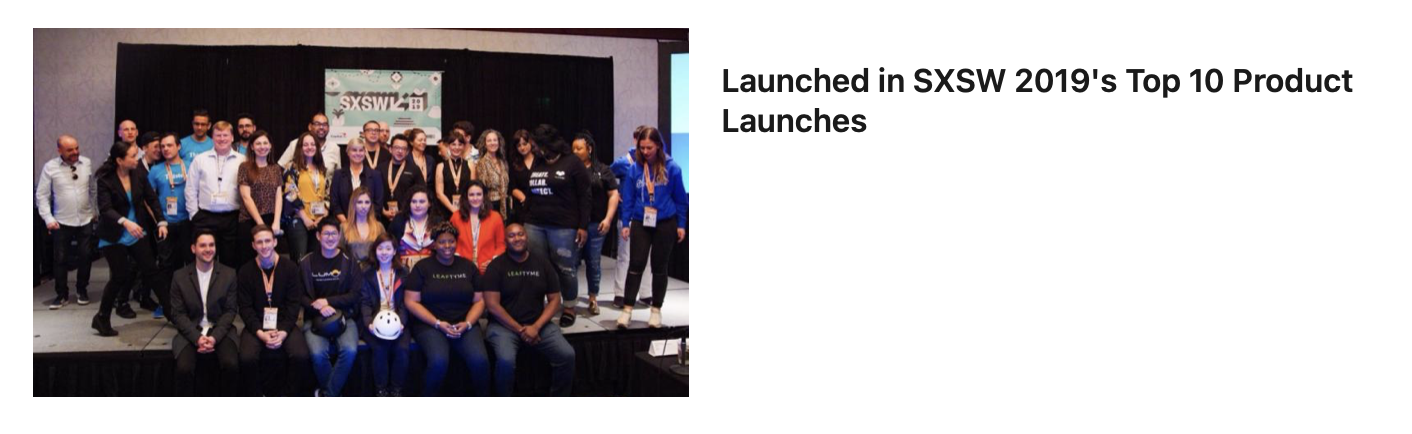
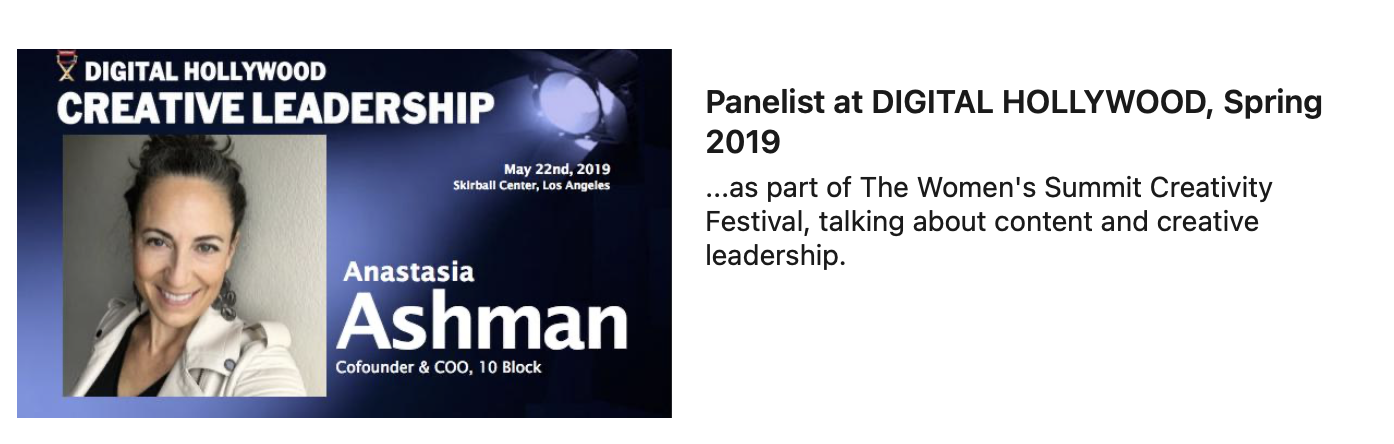
We secured venture backing from Mogility Capital and others, developed patent-pending technology, and were selected as one of ten finalists in the 2019 SXSW Release It competition. Among many appearances we founders made, I represented the company on a panel at Digital Hollywood.
But attention, investment, and a promising product weren't enough to make the business sustainable. Despite several iterations, we never quite found the product-market fit we needed to keep going.
I'm disappointed that we couldn't take 10 Block further, but proud of what we accomplished.
We took an idea through product development, testing, fundraising, industry partnerships, and a major public launch. We built relationships with filmmakers, distributors, investors, and entertainment industry veterans. And we got to experiment at a time when the television business was changing almost faster than anyone could keep up with it.
I still believe in the original insight: people don't discover entertainment in isolation. What their friends are watching, discussing, and recommending matters, particularly when there are more streaming services and more choices than anyone can reasonably navigate.
As for me, co-founding an entertainment technology startup was an education in just about everything: product development, operations, marketing, investor relations, intellectual property, and the practical business of turning an idea into something people can actually use.
It didn't end the way we'd hoped, but I'm glad we tried.
My contribution to the streaming wars!
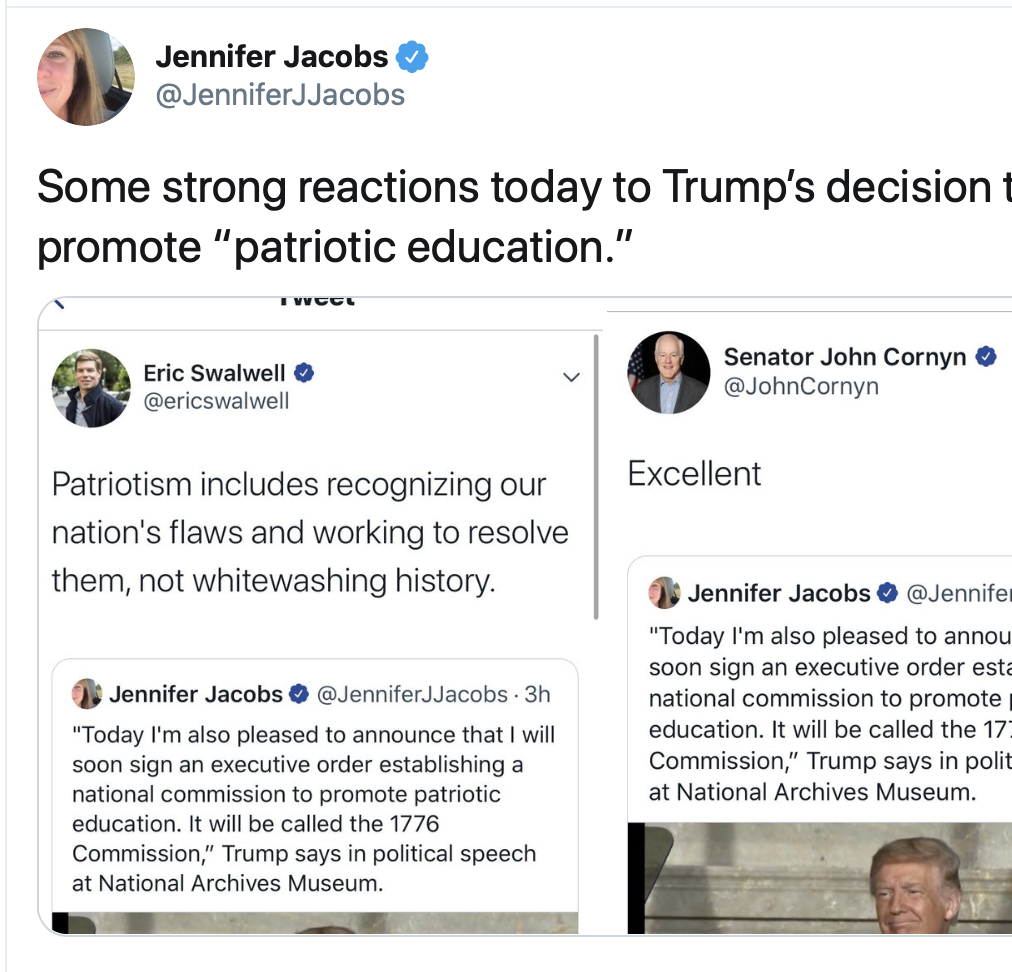

If I were writing the book on 2020, this would be the BLUF

This is how a book written by the ‘generative journalism” account/“knowledge service in an infodemic” I contribute to would start. I believe that’s called BLUF: bottom line, up front.
What would the first sentence of YOUR book on 2020 be?
Can a venture studio change the racial dynamic in Silicon Valley?
Have you heard of venture studios?

They're like movie studios, but instead of producing and releasing movies they create startups ready to scale. A venture studio focuses on just a few ventures and puts more funding into them than you'd see with an accelerator which places many small bets. They also recruit top executives once the existential question of "is this solution commercially viable?" can be answered with "yes".
One venture studio may be a way to solve a longtime problem in Silicon Valley: only 1% of VC goes to black- or brown-founded startups.
The sweet spot of Revitalize Venture Studio, from longtime SaaS entrepreneur Clarence Wooten, is knowing how to get a high-potential startup founded by diverse black and brown founders to product-market fit.
Often these are the very founders that lack access to early seed capital (up to $750K, far beyond most Family & Friends raises) needed to extend the life of their startup to get to product-market fit, which is a necessary stage to attract VC funding for Series A.
I just had the pleasure of meeting Clarence and learning more about his venture studio and want you to take a look at this pragmatic opportunity to support more POC in the Silicon Valley universe.
Radical, systemic change in the tech industry starts with us
You may have guessed that women in tech & digital are under represented across management/teams.
I live tweeted an antiracism panel attended by 300 people from around the global and produced by Ada's List, an intersectional group committed to changing the tech industry at scale — from culture of a company, an overt policy, to processes that sideline women.

Radical, systemic change starts with us, says Ada’s List founder Merici Vinton.
Ada’s List is the place for professional women who work in and around the internet to connect, conspire, and take a stand. The group of 700
promote, support, hire & interview women
recommend 1 qualified woman or POC to interview for each open position
make our environment positive
help juniors progress in their careers
Sound familiar? It’s their take on the Shine Theory of Aminatou Sow and Ann Friedman, says Vinton.
On White Privilege: Getting uncomfortable with our privilege, bias, and 3 actions to take is an event to keep focused on dismantling racist structures, raises funds for three Black-led organizations (@TheSisterSystem @ThisIsYSYS @azmaguk), and is part of the Ada’s List ReStructure Series. The rolling series of talks discuss and proactively work through some of the biggest issues coming out of the events happening right now.
"How are you doing?", Vinton as moderator of the panel asks the women of color, re Black Lives Matter protests.
"I spent the last 3 mos having these conversations. The process of exploring, meeting people where they are is quite healing," says one woman.
"Pissed it's taken so long for people to recognize this is a problem," answers another.
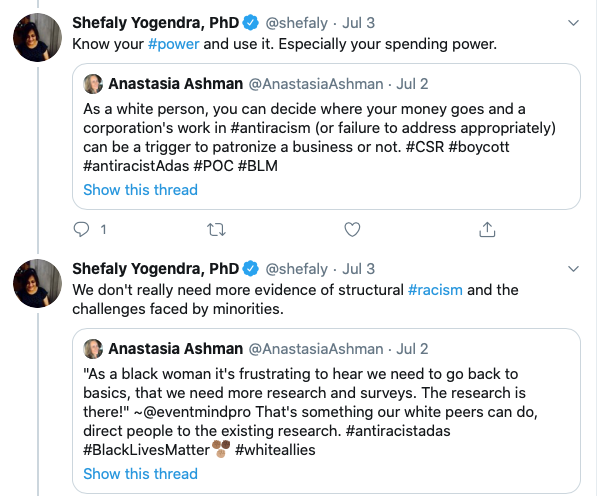
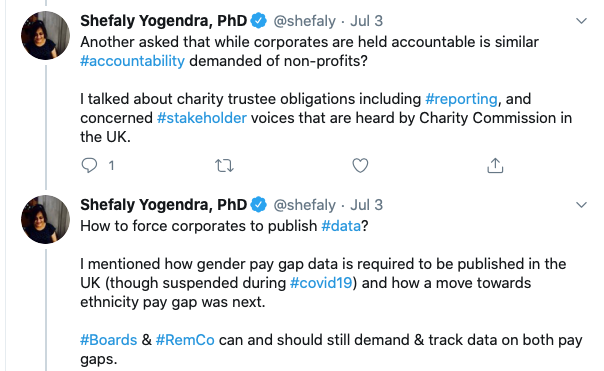
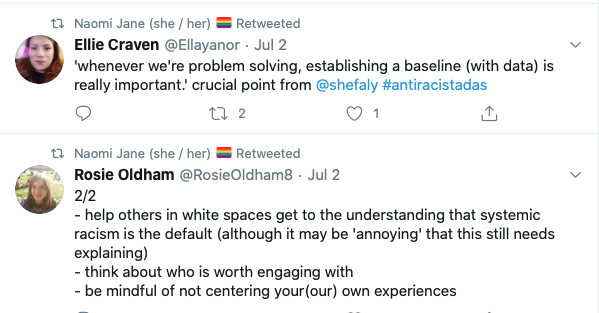
In company replies to BLM, "The voice of perpetrators & observers was amplified, centering their response rather than centering the pain,” points out Shefaly Yogendra. She digs into this in her blog "BLM in the Boardroom". "Where are your metrics?" she asks these companies that are virtue signalling. (Read Shefaly’s Twitter thread about the panel.)

Many corporations put out Black Lives Matters messages, while having few if any POC on their boards, in management, in their workforce
Virtue signalling. Have you heard of it? Another example of virtue signaling is the number of “BlackoutTuesday” profiles vs. the number of people signing petition to see justice done in the case of Breonna Taylor, one panelist pointed out.
"This is 400 years of oppression, it's not going to be solved in a webinar," says a panelist.
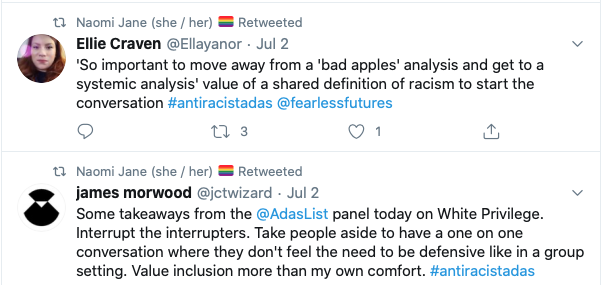
Also, "Resistance is normal", it's not a sign you shouldn't continue to speak up as a white ally when appropriate....get used to that feeling.
Be aware where you can be most effective. Not all platforms are the right place, fighting trolls on Twitter may not be worth your while.
Some conversations will be more effective when done in private. But NOT saying something is no longer an option.
"Diversity and inclusion is like any other business performance metric, or at least it should be," says Ashanti Bentil-Dhue
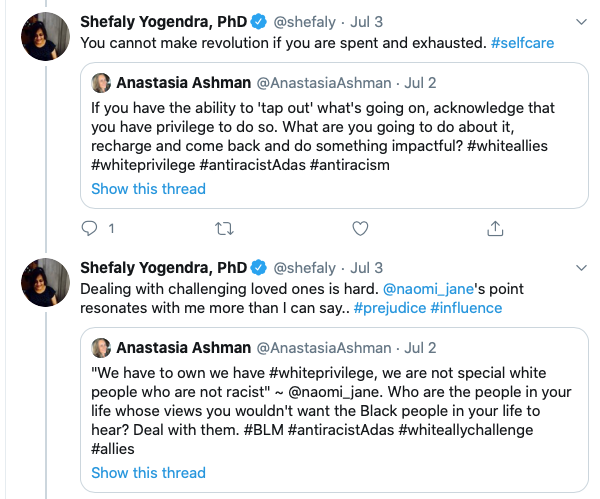
"Don't ask POC to do your org's work for free" says Yogendra.
"Talking about race is a non-negotiable now," adds Bentil-Dhue, but some business leaders think it's optional.
"We have a problem in the corporate space that can't talk about unconscious bias, in gender & race," says Naomi Jane.

Ada’s List round up of the best tweets about the panel on the #AntiracistAdas Twitter tag, and homework.
As a white person, you can decide where your money goes and a corporation's work in antiracism (or failure to address appropriately) can be a trigger to patronize a business or not.
"As a black woman it's frustrating to hear we need to go back to basics, that we need more research and surveys. The research is there!" says Bentil-Dhue.
That's something our white peers can do, direct people to the existing research.
This history of management is based in slavery & we have to address that to improve
The history of management is based in slavery, once you see it you can see what it's doing to the people you work with and what you can change to make people the best they can be, says Yogendra.
If you have the ability to 'tap out' from what's going on, acknowledge that you have privilege to do so.
What are you going to do about it, recharge and come back and do something impactful?
How does the recruitment process or governance structure of your organization perpetuate racism?
POC have to provide unpaid labor to teach white people not to be racist.
"When white people can't get your name right chances are everything you do will be reduced to a stereotype," says Shefaly Yogendra.
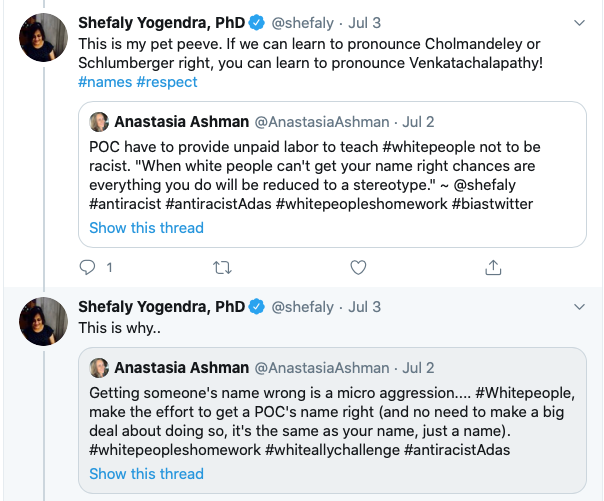
Getting someone's name wrong is a micro aggression. White people, make the effort to get a POC's name right (and no need to make a big deal about doing so, it's the same as your name, just a name).
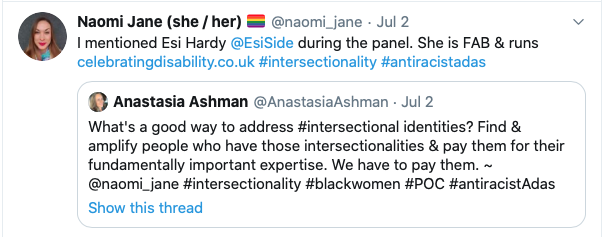
What's a good way to address intersectional identities?
Find & amplify people who have those intersectionalities & pay them for their fundamentally important expertise. We have to pay them, says Naomi Jane.
Today's bookshelf
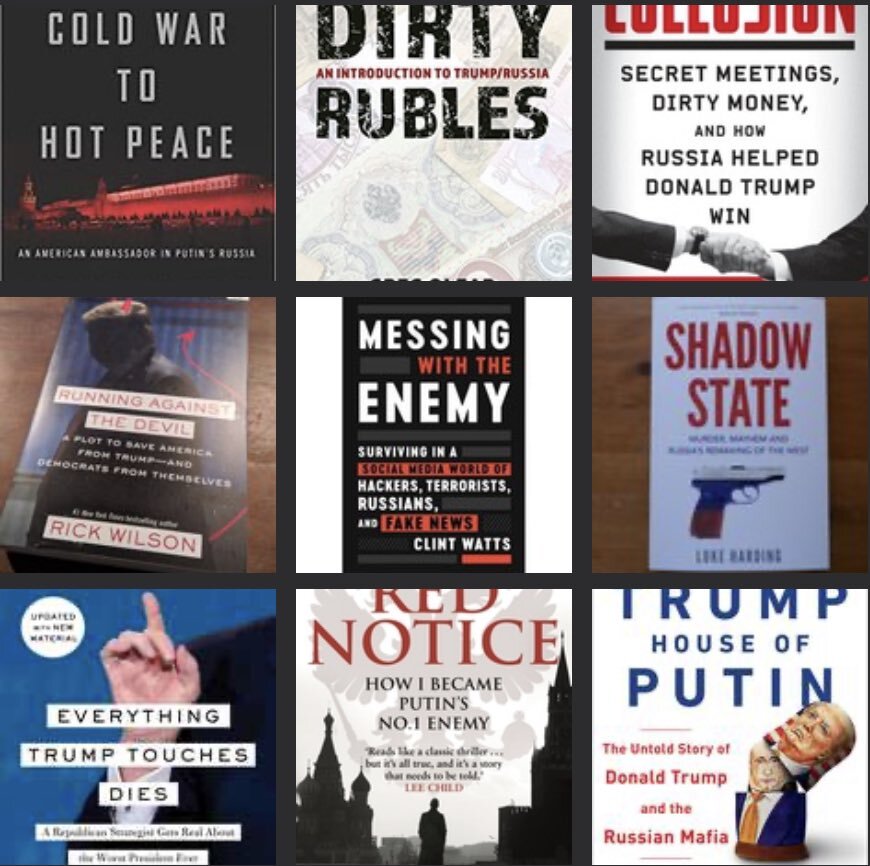
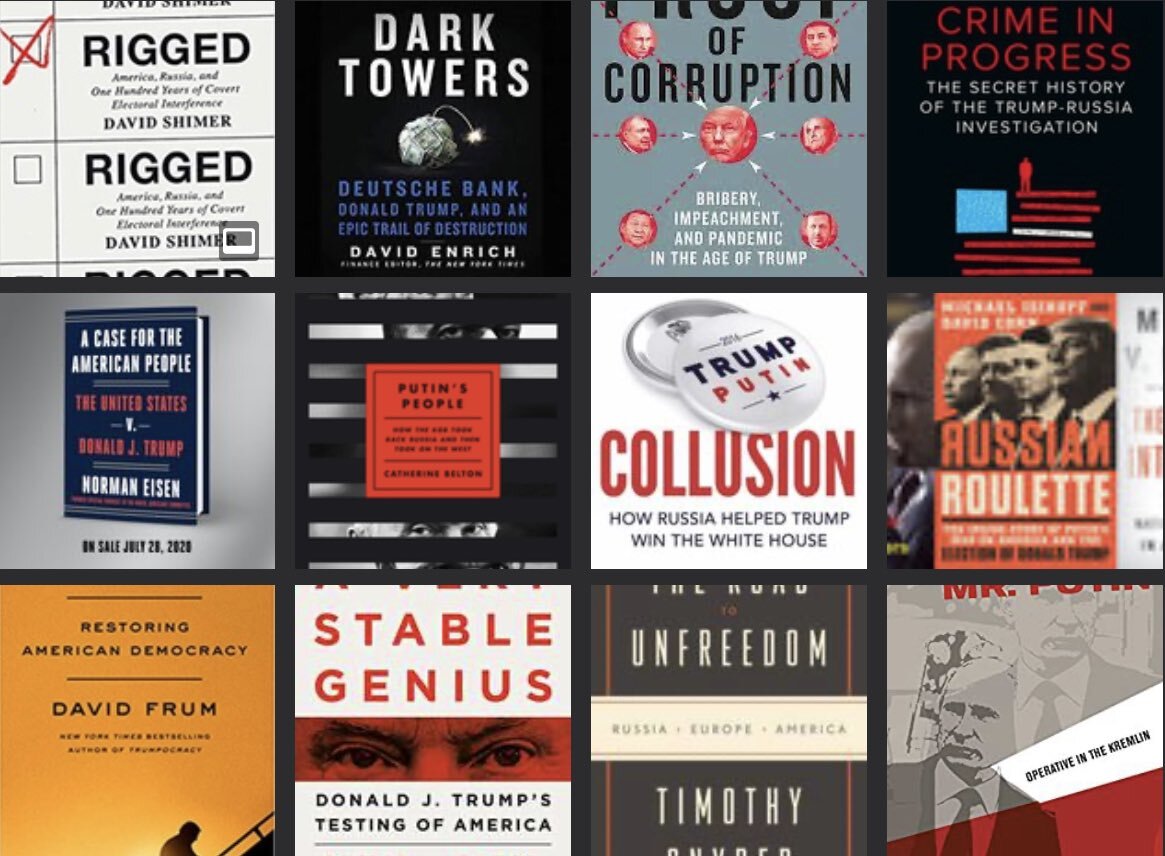
Our bookshelf of tomes about this dark chapter in American political history keeps growing…
“Age Of Lies. Rigged. Cold War. Hot Peace. Dirty Money. Unfreedom. Shadow State. Red Notice. Stable Genius. Untold Story. Putin’s People. Crime In Progress. Secret Meetings. Dark Towers. Trail Of Destruction. Age of Trump.”
We’ll keep adding to it until this chapter of history is fully written & in the dustbin.
Here’s to the heroes among us who are going to bring us through.

Making early sense of the pandemic
“I saw the coronavirus coming in January”
I saw the coronavirus coming in January and have been tracking the pandemic ever since. It’s been uniquely disturbing to see a mysterious wave of illness and death surging toward us, with far too many people refusing to face it.

~ Andrew M. Slavitt (former Acting Administrator of the Centers for Medicare and Medicaid Services)
“A wave of illness and death is surging toward us with far too many people refusing to face it”
I’d been looking to see which flus were coming out of China as my family members and business associates were heading to CES in Las Vegas in mid January. I wanted to know which bugs they might be dealing with at the massive consumer electronics trade show.
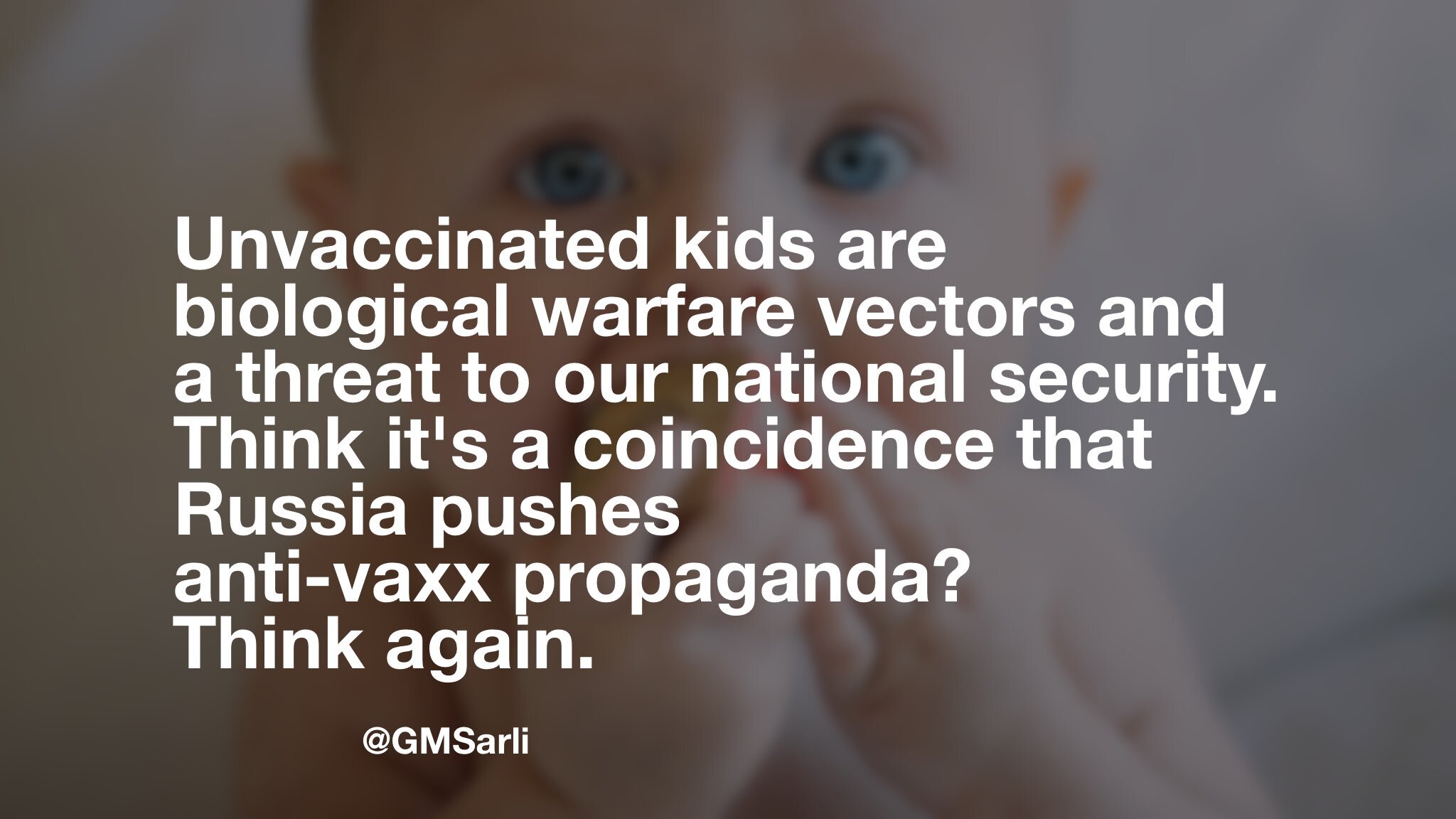
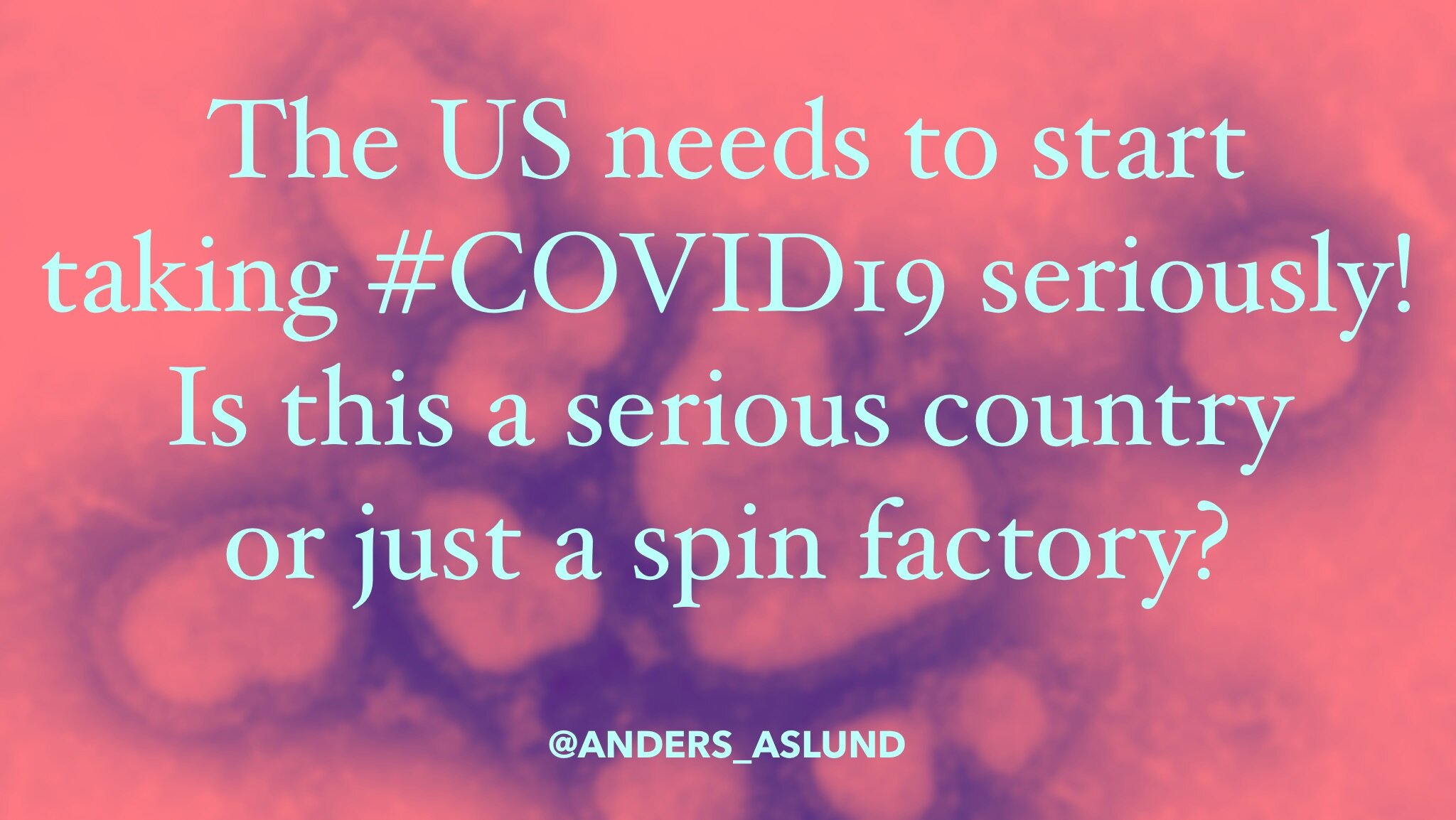
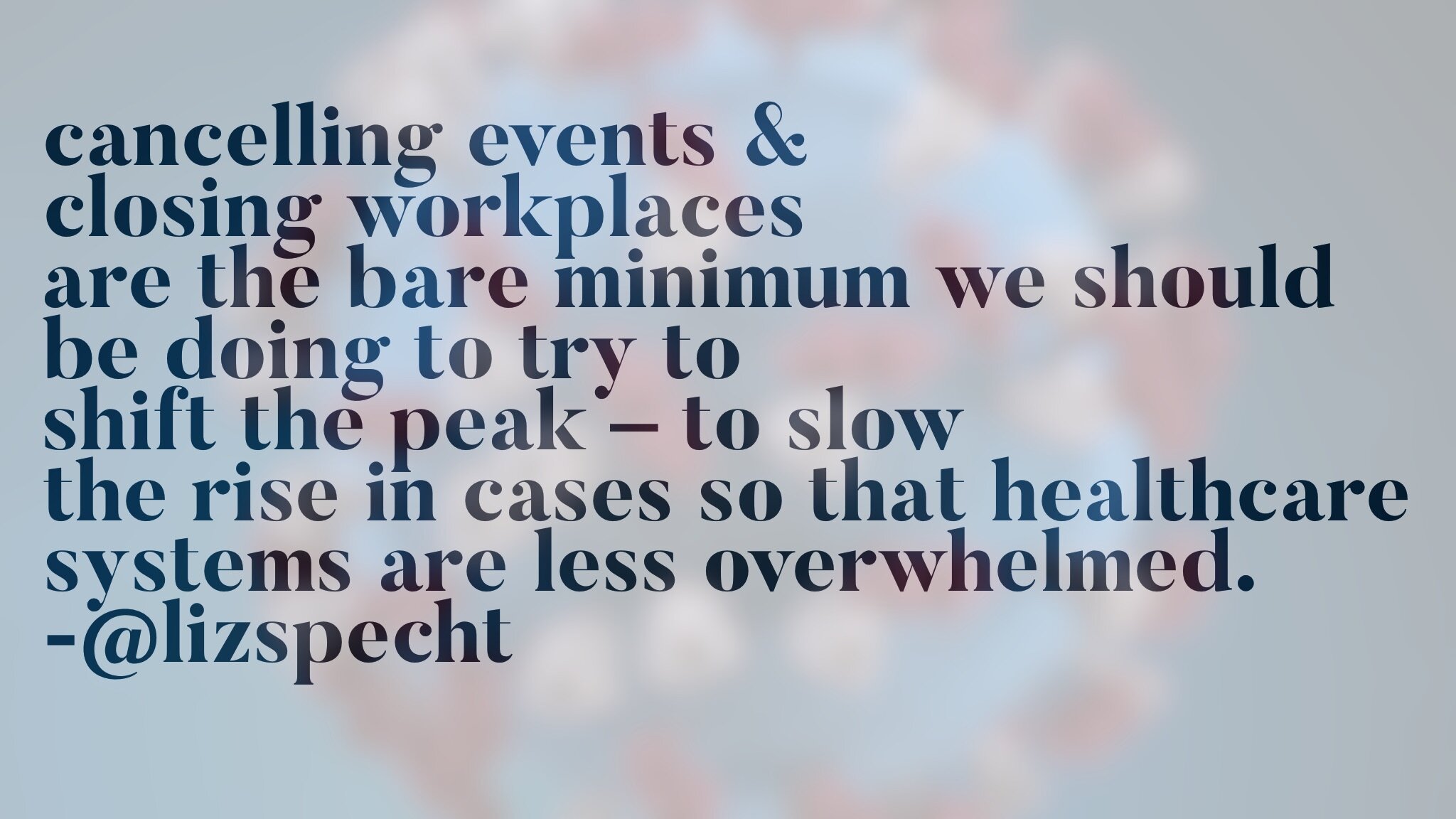
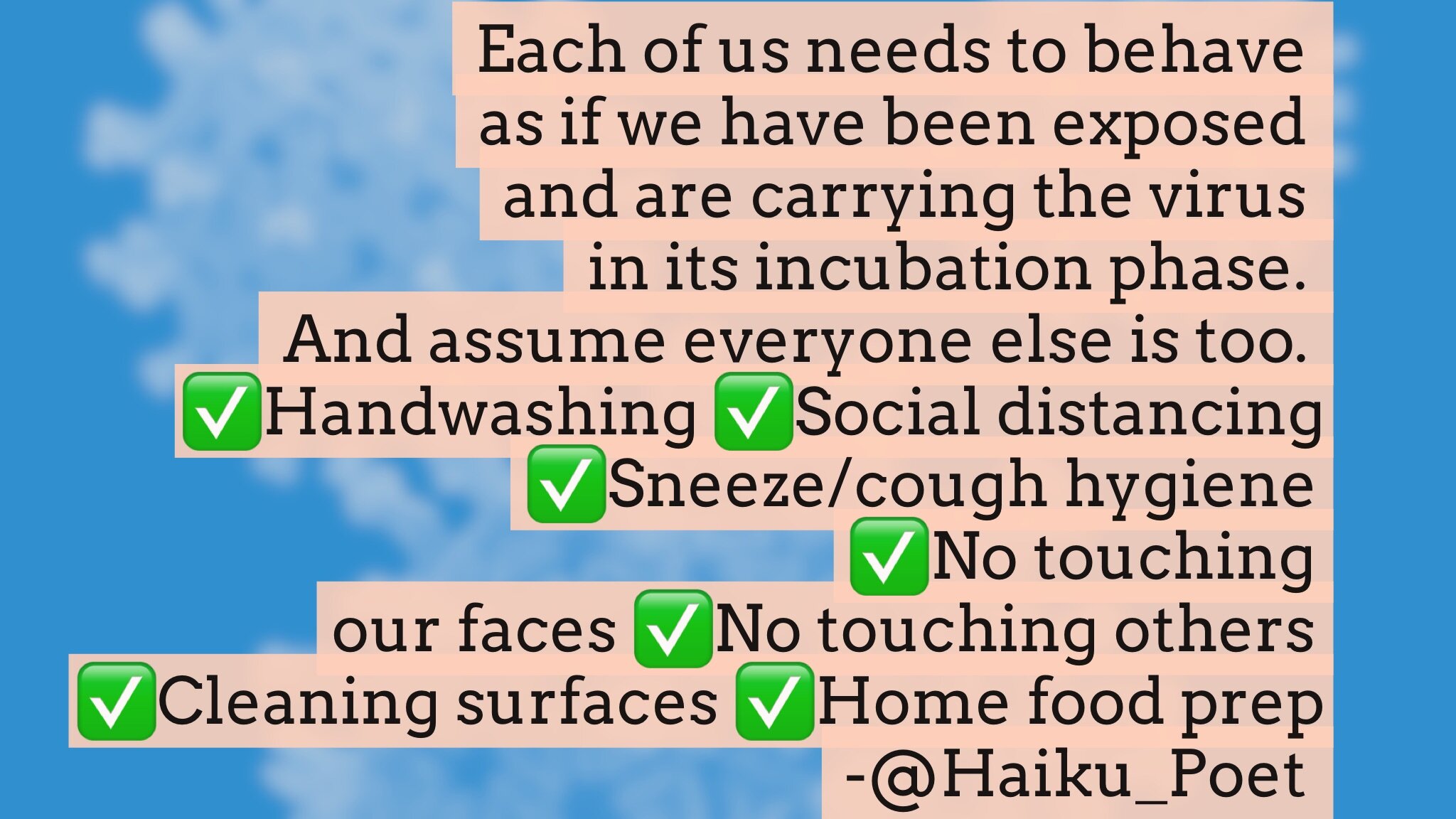
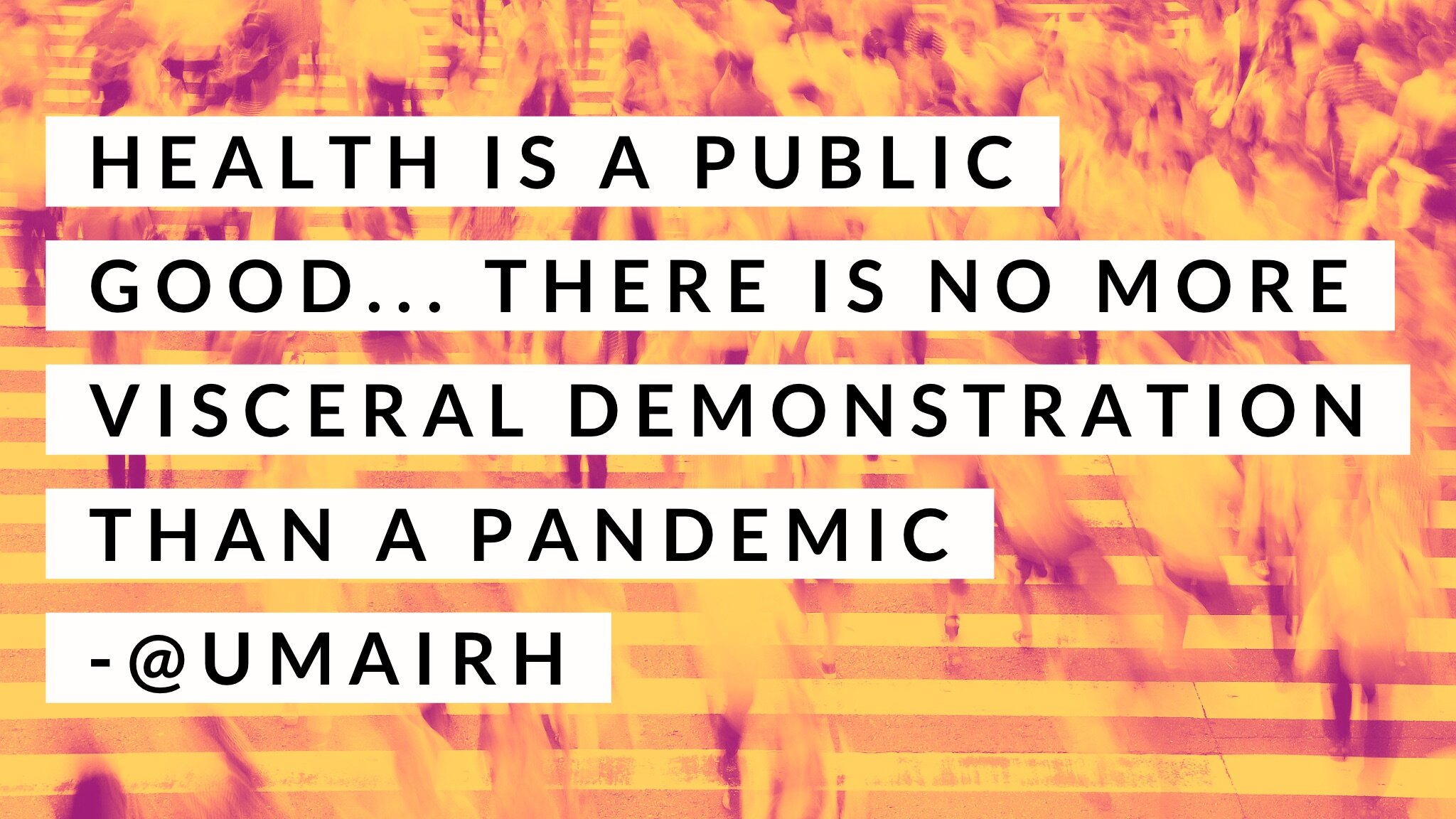
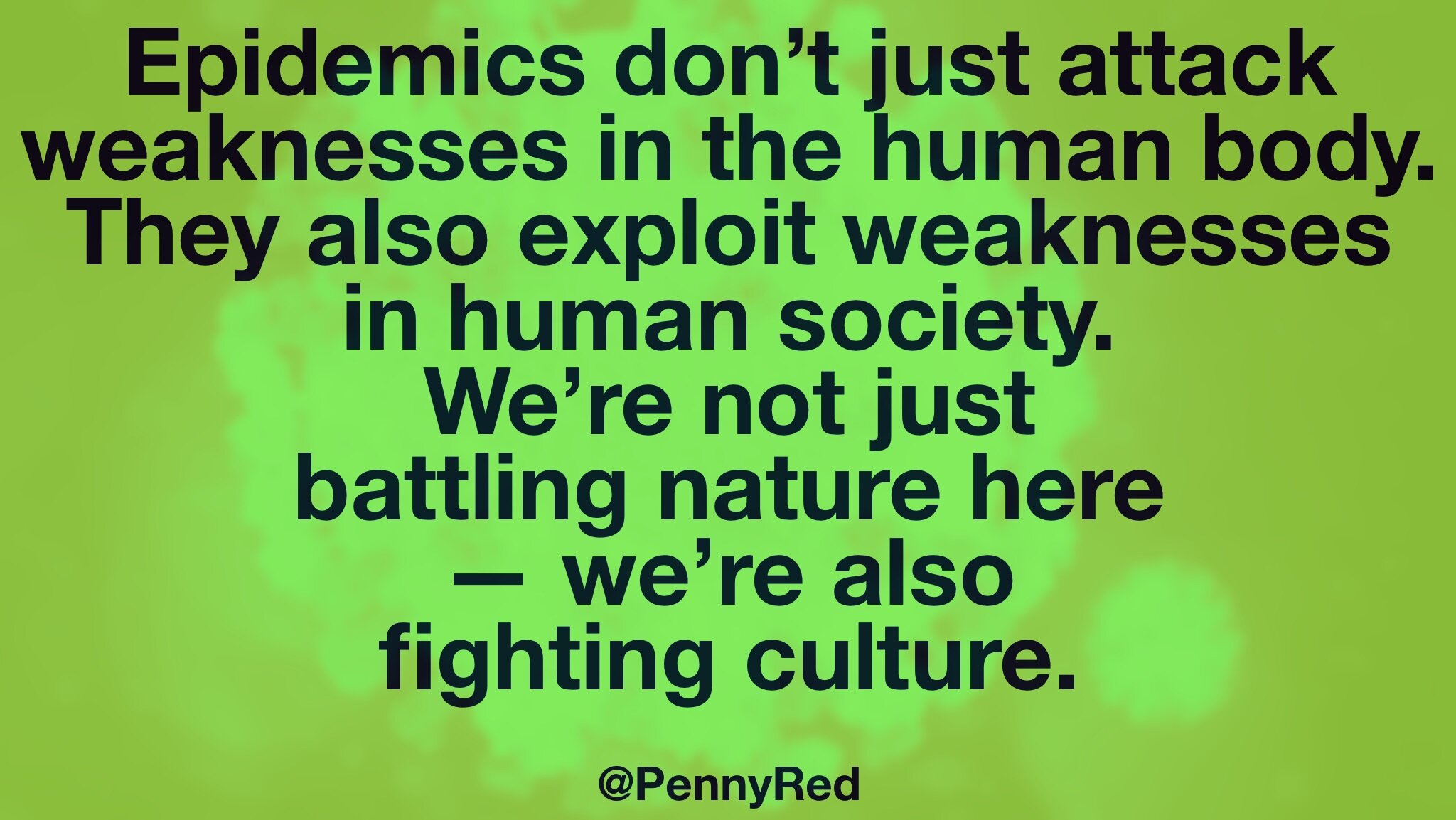


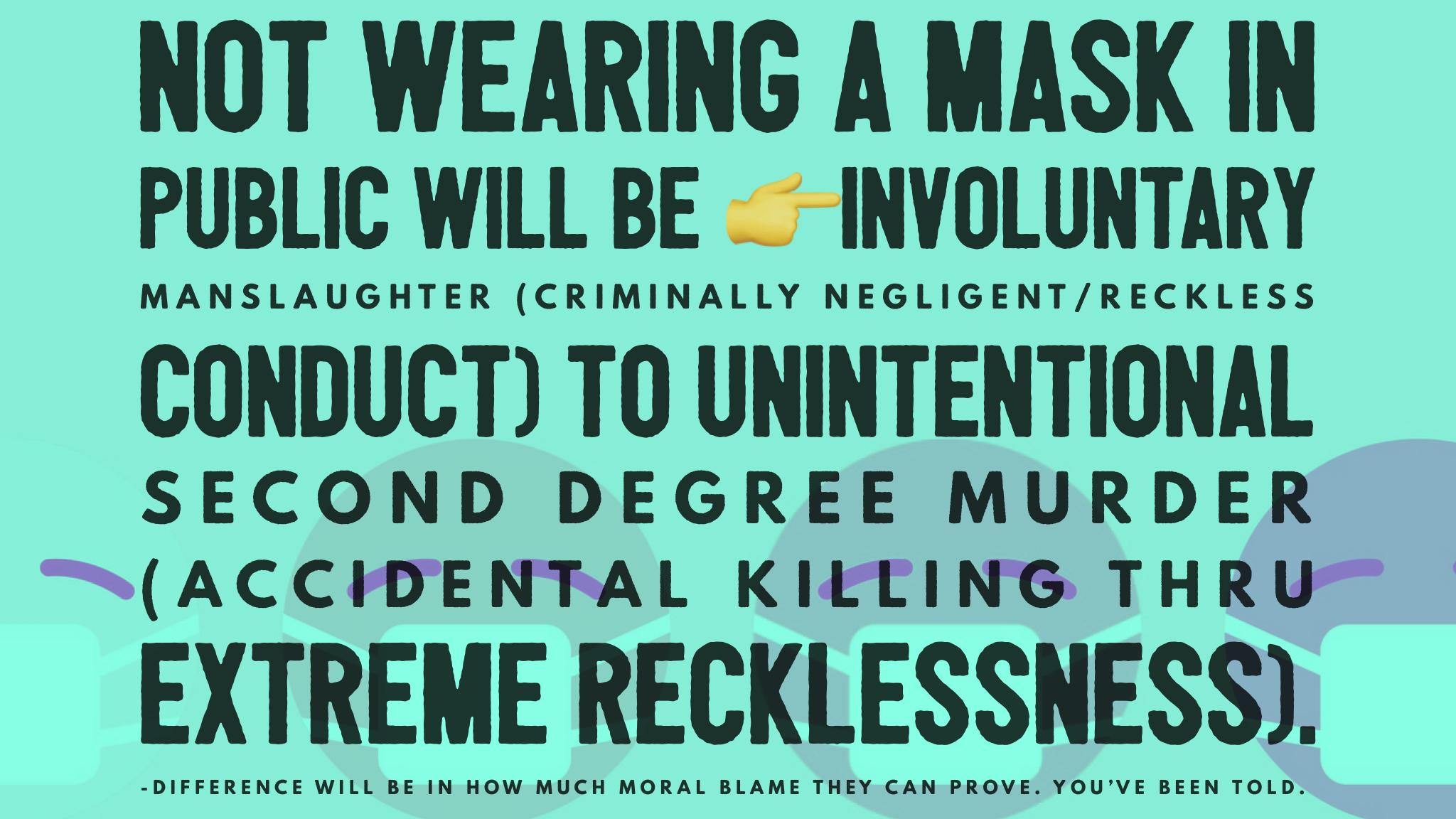
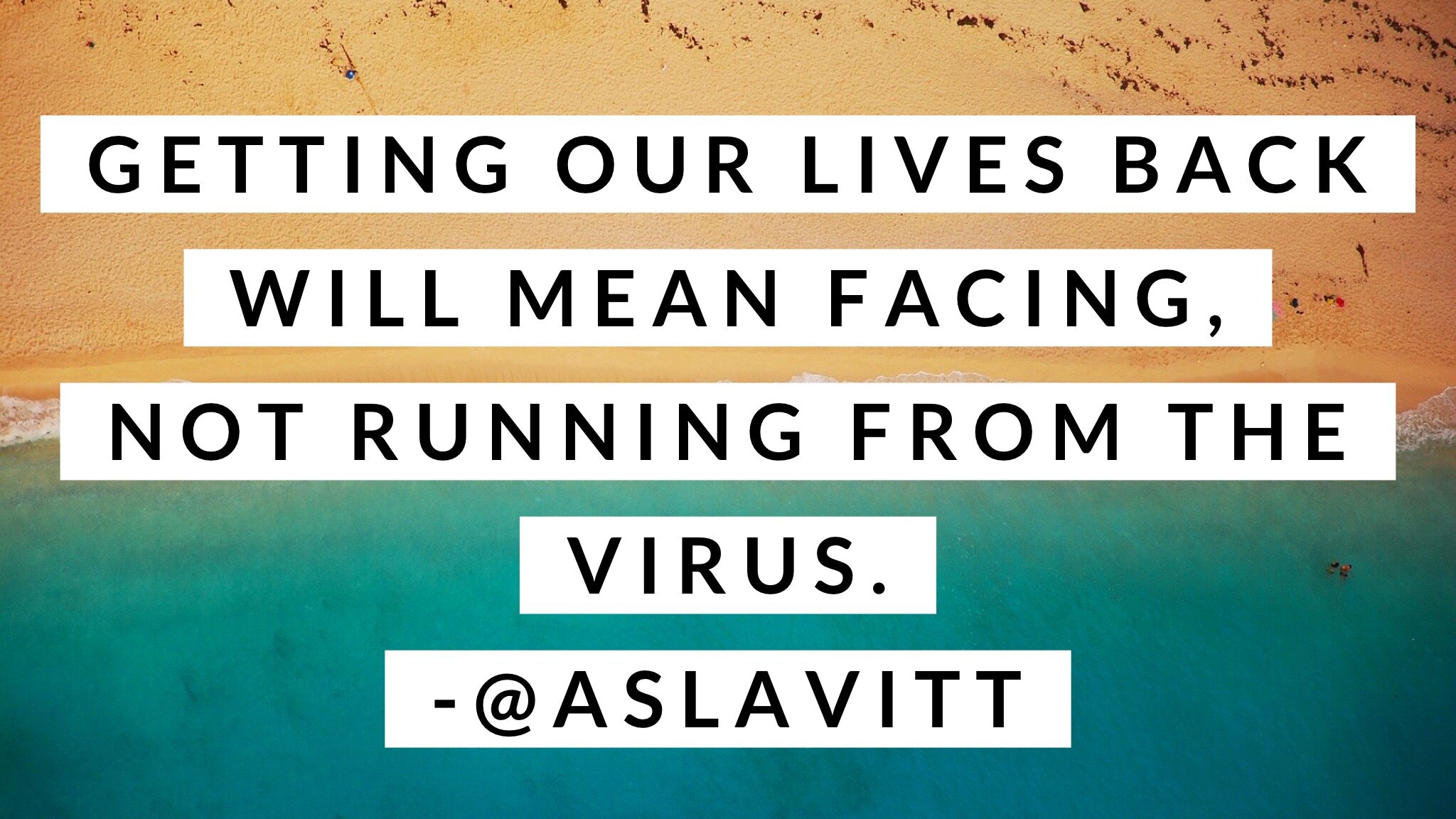
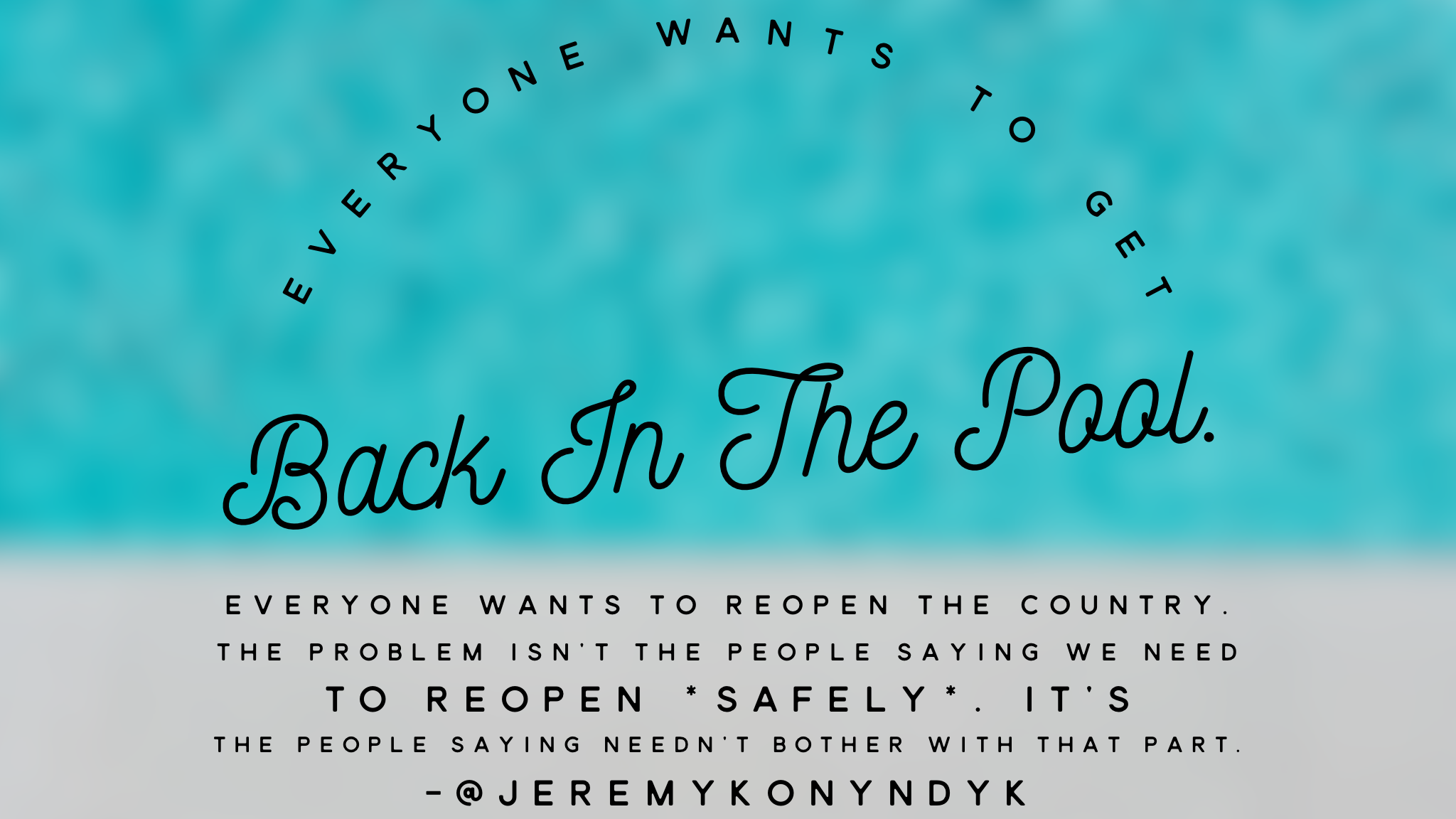
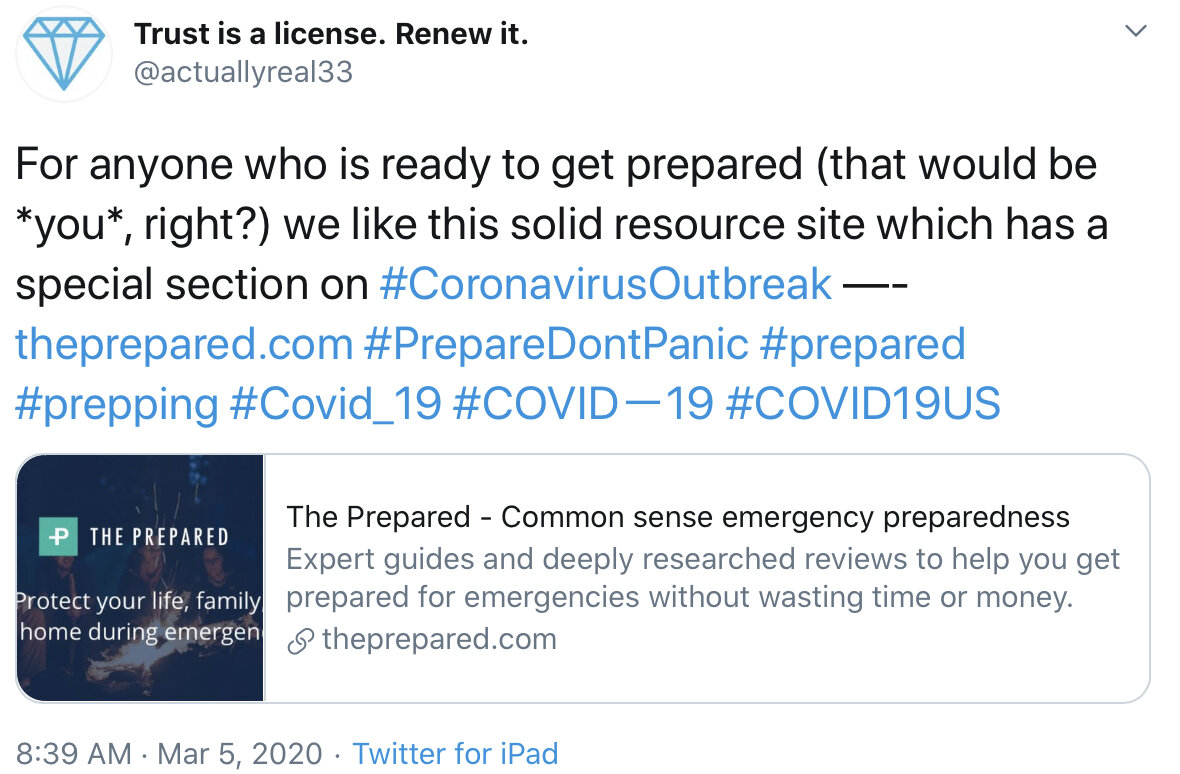
I’ve been highlighting points made on Twitter by various sources about the COVID-19 pandemic — and the antivax movement, which as it happens will be even more destructive a force in society with this true-blue no-vaccine killer virus on the loose.
So I found the pandemic in January. In February I found the general response we’d need to preserve our medical system and suppress the spread of the virus.
I'd discovered the below graph of Philadelphia vs. St. Louis deaths from the Spanish Flu, showing how social isolation helped depress the infections and deaths in one town while the other’s lax policy resulted in a spike of unnecessary deaths.

A response blueprint in February
I saw a German computer scientist share this Spanish Flu example of what we need to do as a society to flatten the curve of COVID

Correct public health policy saves lives
A French multinational biotech company shared this study of how public health decisions saved citizens and flattened the curve of the Spanish Flu
It was great to see a Bloomberg deep dive on the same example when it came out a few weeks later, and the term “flatten the curve” make its way into public health communications on COVID.

Collecting resources for all in March
Click through to reach my list.
I also follow these COVID lists, click on their names to see: Kim Mai-Cutler and Brian Koppelman.
I started a Twitter list of COVID-19 expert sources in early March.
It seemed especially important to gather my own science and public safety sources (and follow other lists compiled by early pandemic watchers) at a time when the president and far too many government leaders were ignoring or downplaying the disastrous and monumental impact of this virus on the planet’s human population. The disinformation campaign against early effective action will go down in history as a genocide.
“People said “I don’t need that leaflet - I don’t live here.”
That’s ok, viruses love to travel! ”
In early March I was activated by the Fire Department as an emergency response worker for disaster preparedness. SF had declared a health emergency the prior week. The activation meant passing out coronavirus health department leaflets downtown (wash your hands, don’t touch your face [impossible for humans I believe], elbow cough, make plans).
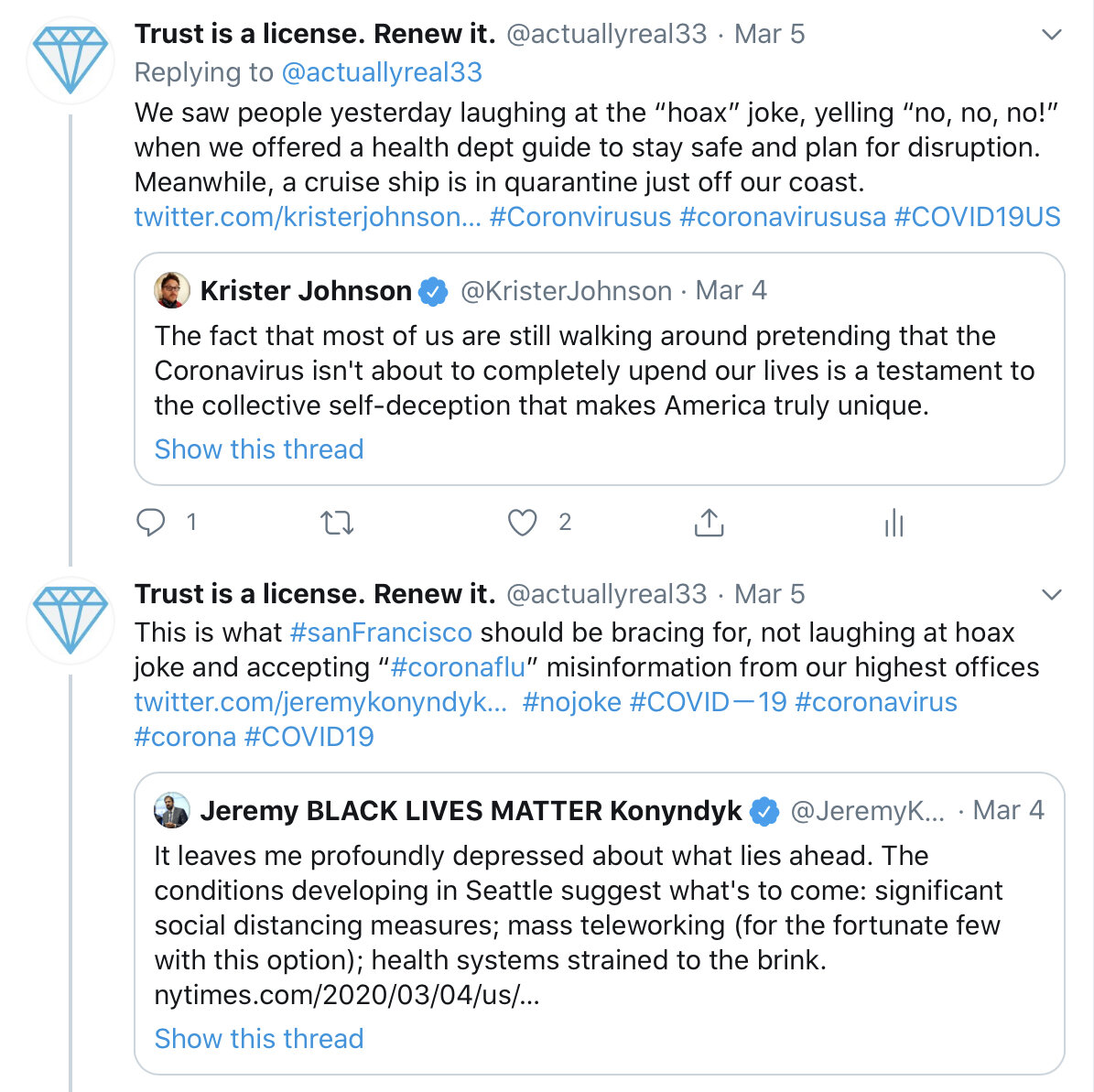
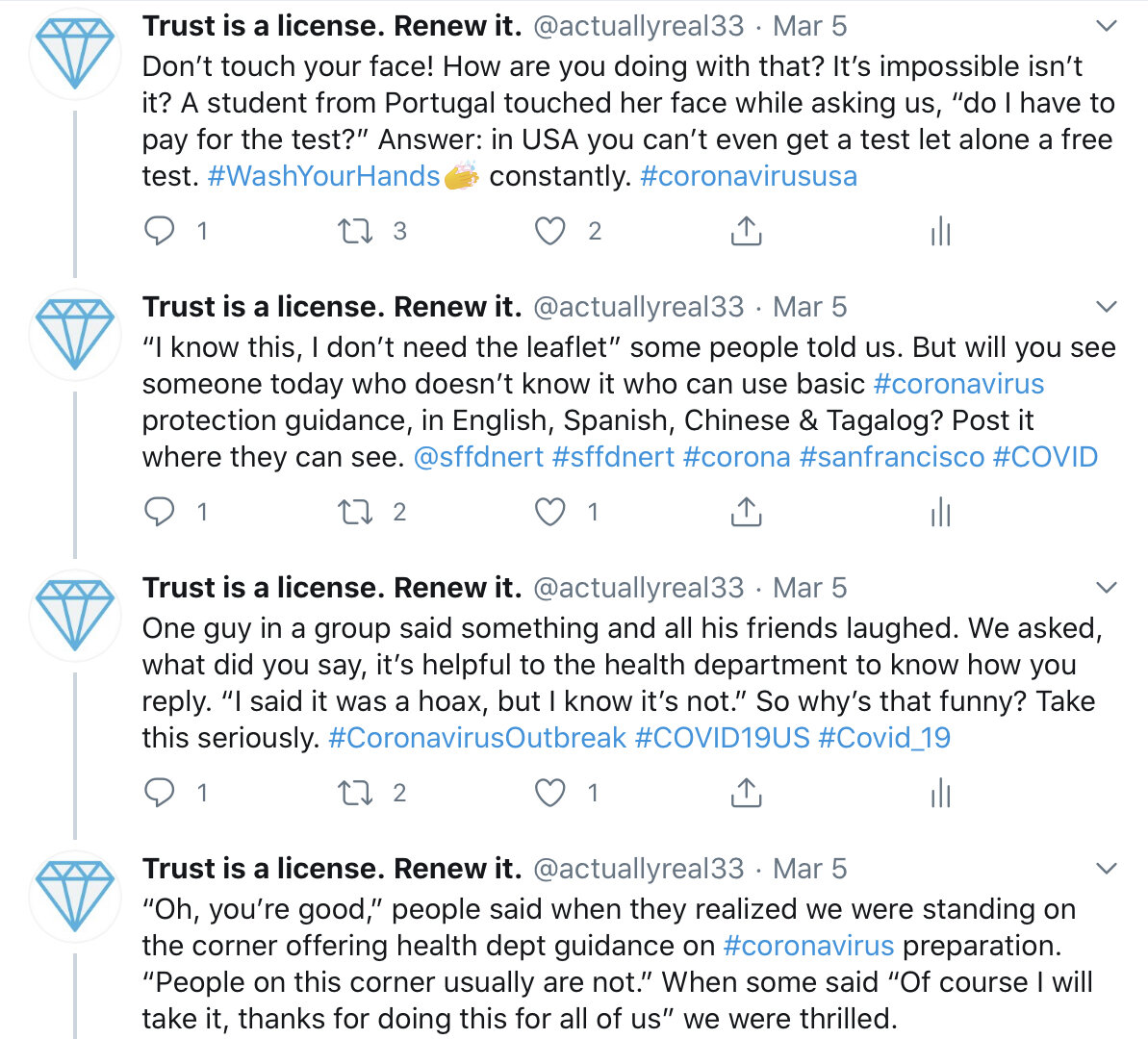
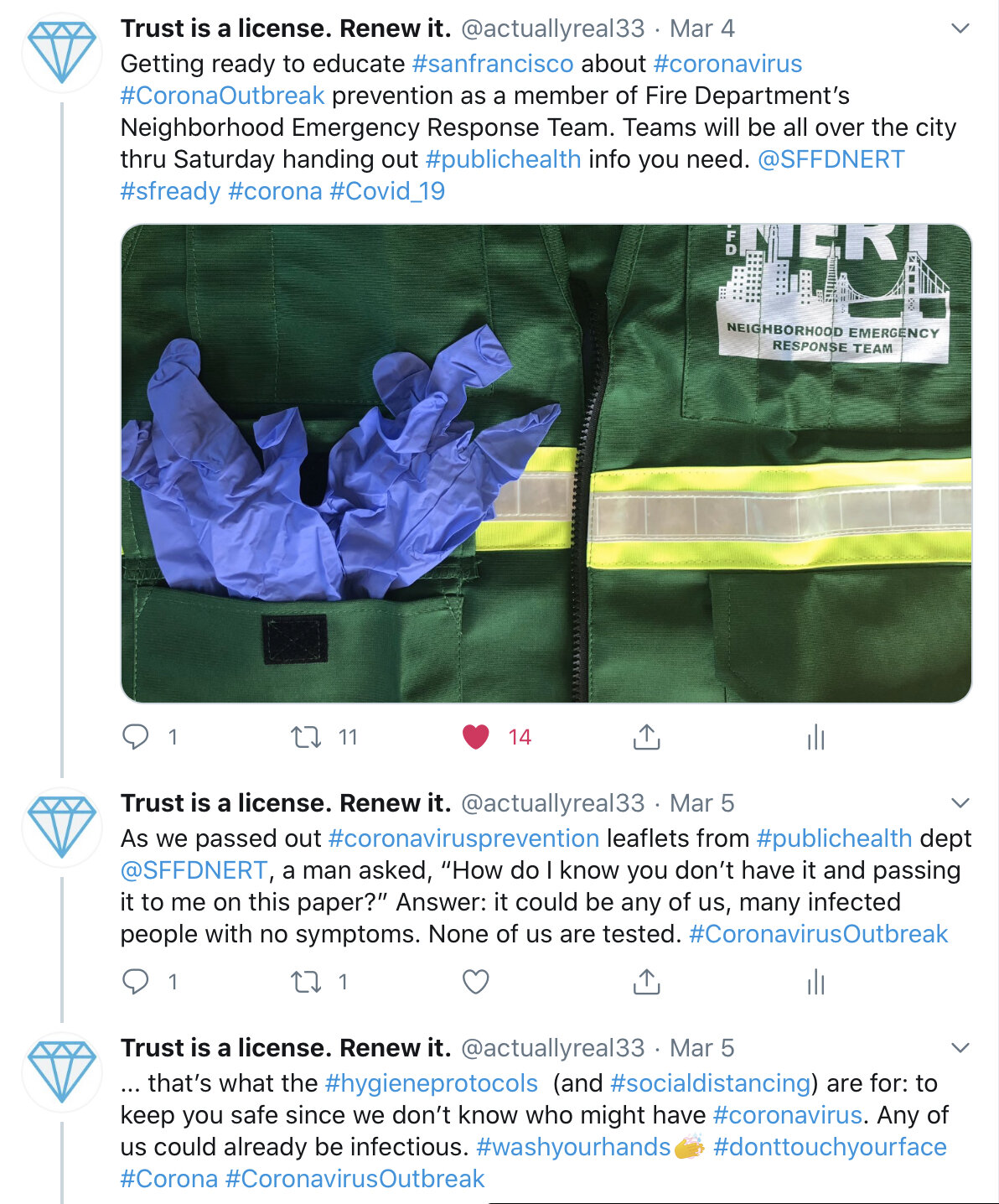
Handing out public health COVID preparation leaflets on that busy Financial District street corner was brutal. People didn’t want to hear it.
Some people laughed, some people said no!, some people said “I don’t need that - I don’t live here.” I thought, That’s ok, viruses love to travel! A handful were grateful and said “hey thanks for doing this.” They knew we’re all in it together and with 2 community transmission cases in SF that very day, the virus was already here, and also waiting in a cruise ship off the Golden Gate.
To be continued…
A knowledge service to cut the noise in today’s infodemic
“If you can’t follow what’s happening, you can’t adequately think or act in this crucial moment.”

Trump impeachment rally - San Francisco Federal Building 12/2019. Image by me.
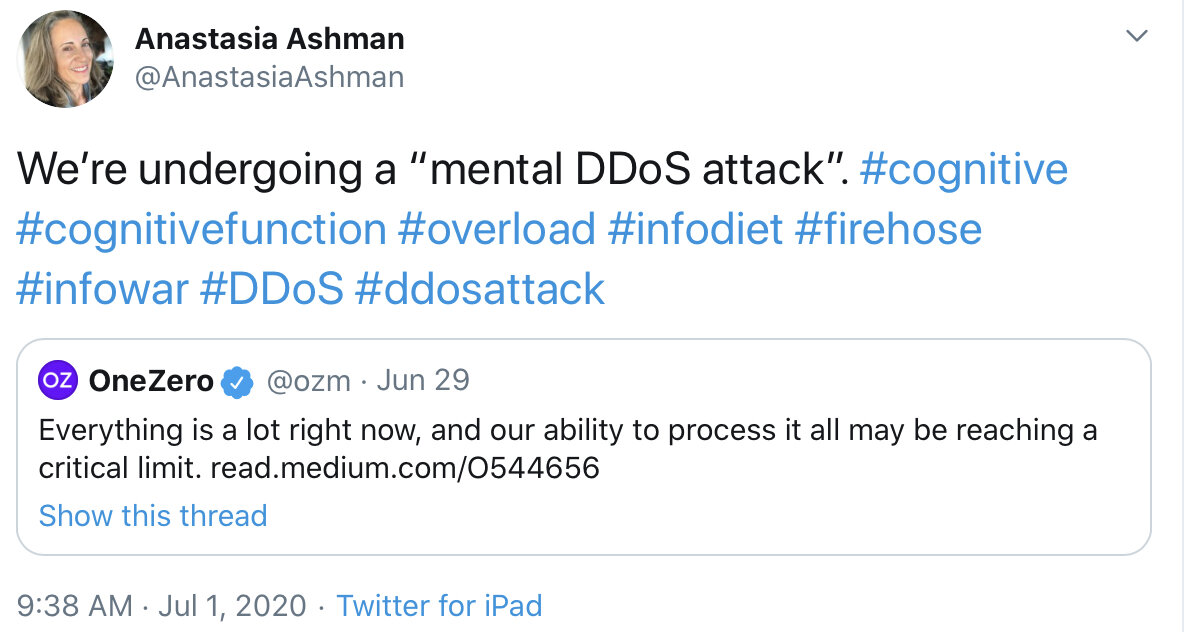
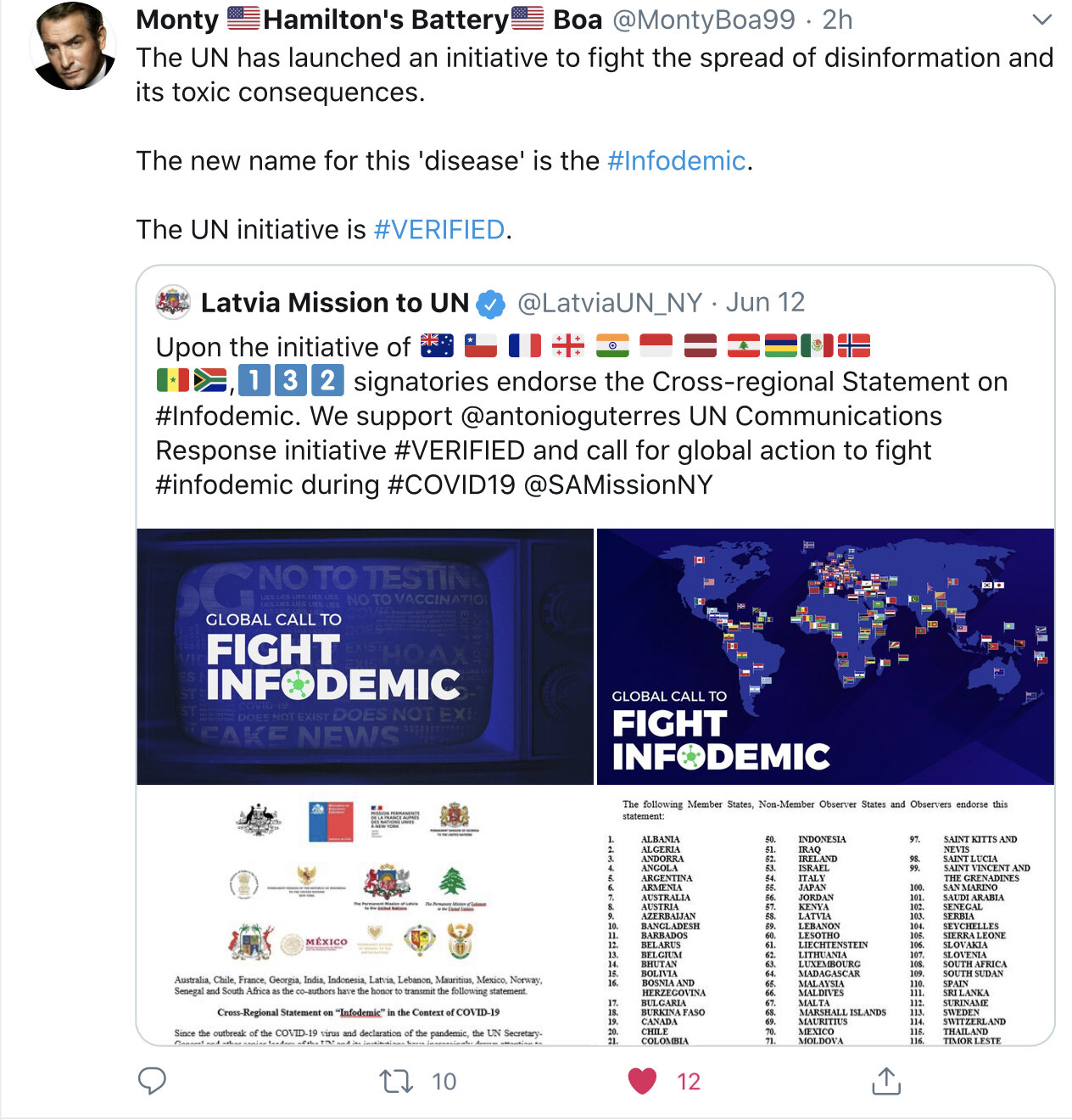
Today’s info war sure is info hell, isn’t it? The United Nations is calling it an “infodemic”.
When I talk to people — intelligent people, educated people, media and news professionals, tuned in people, random people — pretty much when I talk to everyone, they don’t know at all what I know.
Or they know a lot less, or they admit they get their news from “CNN…and FoxNews, for balance”, or they simply aren’t trying to follow the firehose of info flying at us these days.
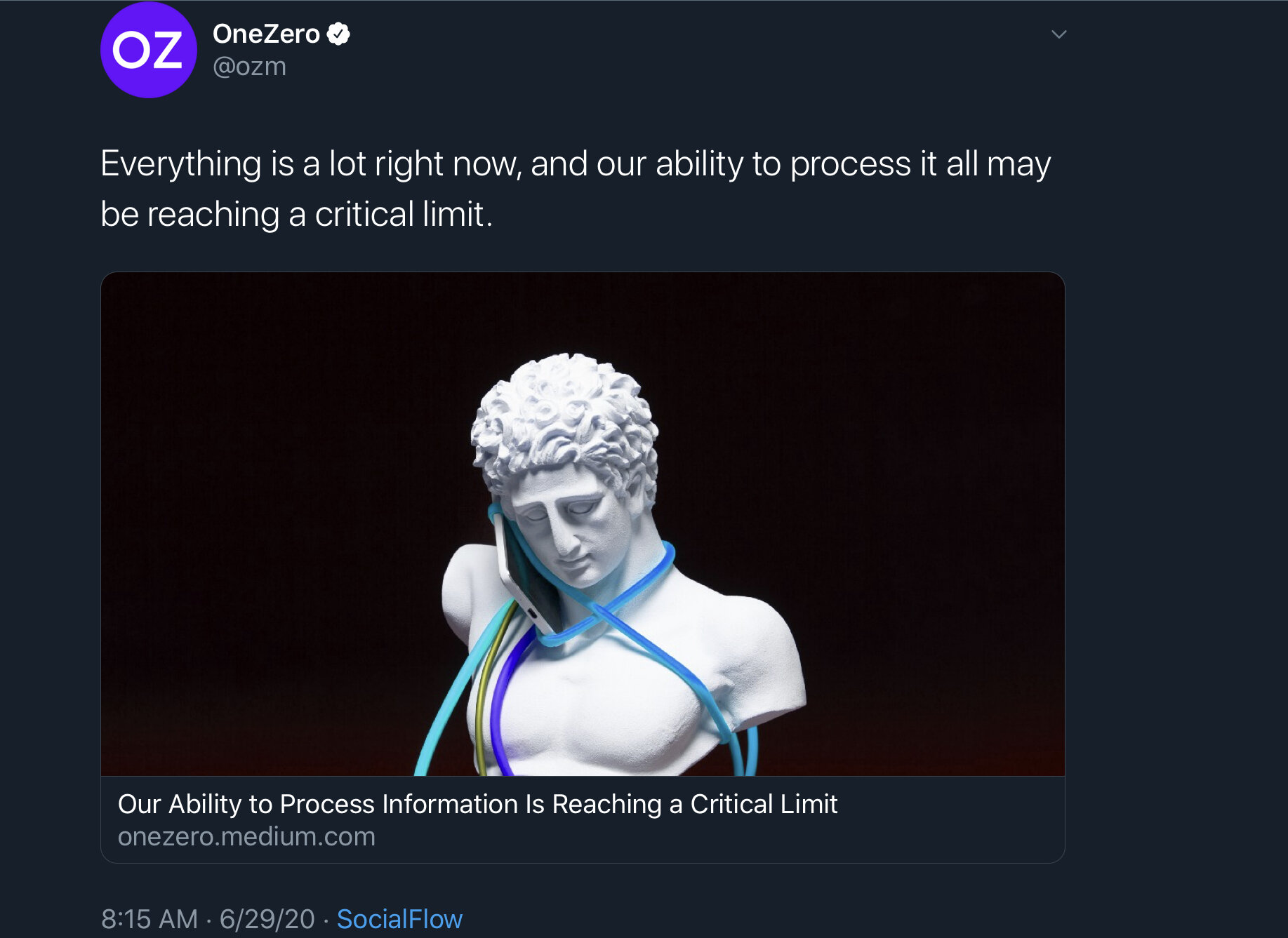

The enemy is noise, the goal is clarity.
~ Jon Stewart told the New York Times this week
Most people I talk to are clinging to an outdated and irrelevant opinion or worldview like it’s a life raft.
This is a problem.
An information diet that doesn’t serve you is COSTLY
during a pandemic that requires us to reenvision how we live;
in an Election Year;
when Western Liberal Democracy is under attack both domestic and foreign, with a main weapon being military-grade psy op disinformation and propaganda directed at a civilian population.
If people can’t follow what’s happening or learn the historical basis of what’s happening or perceive the machinations of global alliances and systems including the largest law enforcement action against organized crime that the world has ever seen, they can’t adequately think and act in this moment.
It’s a costly problem that can be solved, as Jon Stewart points out, by clarity.
“For more than a decade I’ve been following sources & stories that are coming together now. I want you to see what I see.”
I’m an info hound as you know. I’ve been curating speciality lists of expert sources on Twitter for more than a decade, and relying on them almost exclusively for my news gathering needs through the Arab Spring and the Gezi Park Protests in Turkey. The list of 1,000 sources I mention in this post was meant to be my lens on American politics and current affairs for the 2016 Presidential Election.
I’ve been following stories that are all coming together now. And I’m working to share that with you. So you can see what I see.
Introducing a curated knowledge & awareness project for concerned citizens

See a few news stories a day…
Subscribe to a daily Trust Is A License Nuzzle newsletter with just a few of the top news stories shared from 1,000 curated sources
Knowledge Is Power (formerly referred to as Trust Is A License, a phrase from Shefaly Yogendra) is generative journalism, a community service to inform citizens
At its core the project is a Twitter account run by a small group of diverse centrists who see all sides of global and societal threats and want to ensure our fact-based perspective gets voice and distribution in this age of extreme disinformation campaigns.
We’re also exploring a variety of other ways to connect, present, and share this vital and contextual information that only become more relevant with each passing day. We all need to know this. It’s our history. More on that soon.
One of our readers has described us as civil service journalism. “What you’re doing is generative journalism. It’s a community service to inform citizens at a time when the Fourth Estate is dying and under attack, and news media has devolved into propaganda machines.”
“We vet content & sources, metabolize info & amplify points to help you understand this moment in time. ”
As the mainstream media failure became clear, citizen researchers and curators like me picked up the slack. At Knowledge Is Power, our focus has been on vetting the content and sources, metabolizing the information, and finding ways to underline and amplify clear points we believe are valuable to cutting through the noise and understanding this moment in time.
We hope to connect the dots for ourselves and others. We started doing this for OURSELVES. Yet, it’s for others. Without any marketing the account’s organic reach has grown 160x in its first year.
By vetting and amplifying the work of citizen researchers, whistleblowers, journalists, social justice workers, national security experts and more, we aim to strengthen democracy and stop the playing-the-extremes-so-nothing-gets-done horseshoe that divides us.
“Our mission is to help with what comes next: when we dig out from the damage, there will be a massive need to educate people about what just happened.
”
As people begin to dig out from the damage of the cyber war/information war/total kinetic war against Western Liberal Democracy (including Trump & transnational organized crime) that we are currently experiencing in America and throughout the world, there’s going be a need for a massive education of the American people about what just happened. Hollywood is already telling these stories. We want to help with that.

…or get everything we share
Follow the Trust Is A License Twitter feed to see who & what we’re highlighting & what discussions we’re a part of.
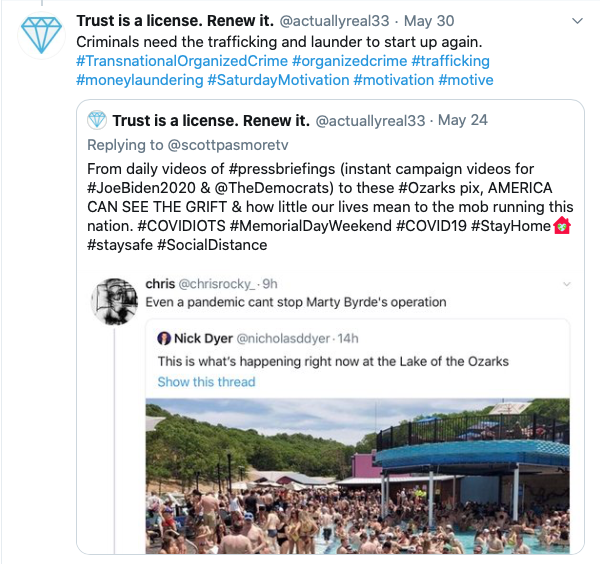
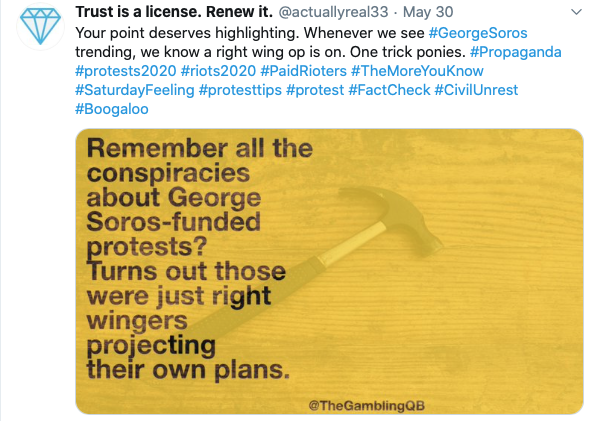
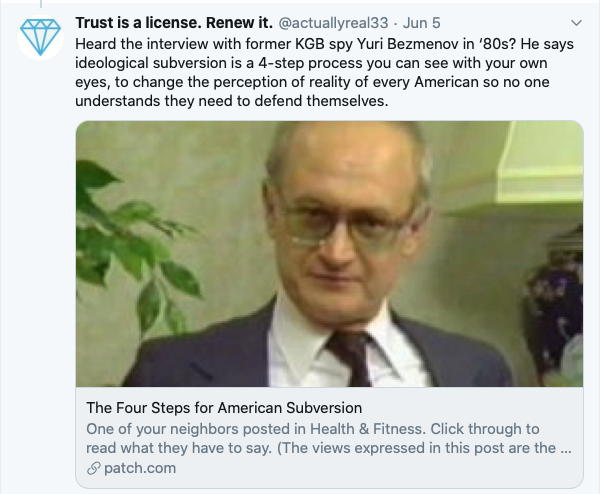
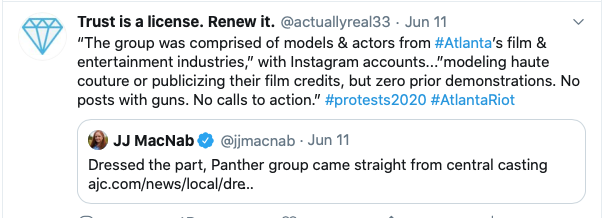
Scan some recent tweets.
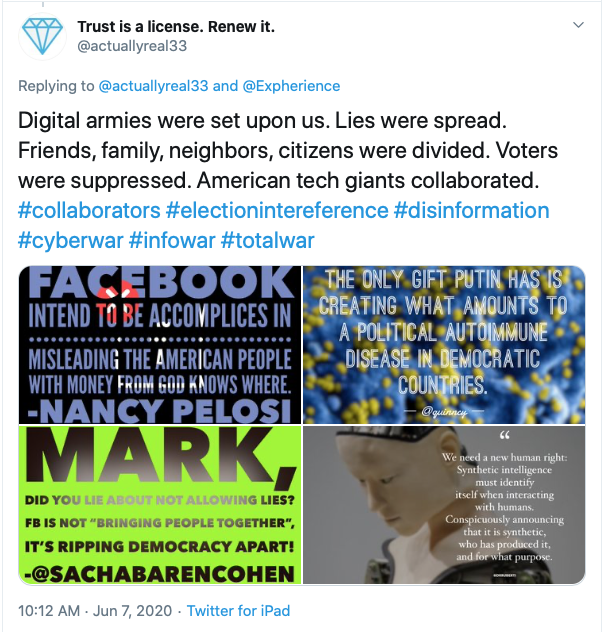
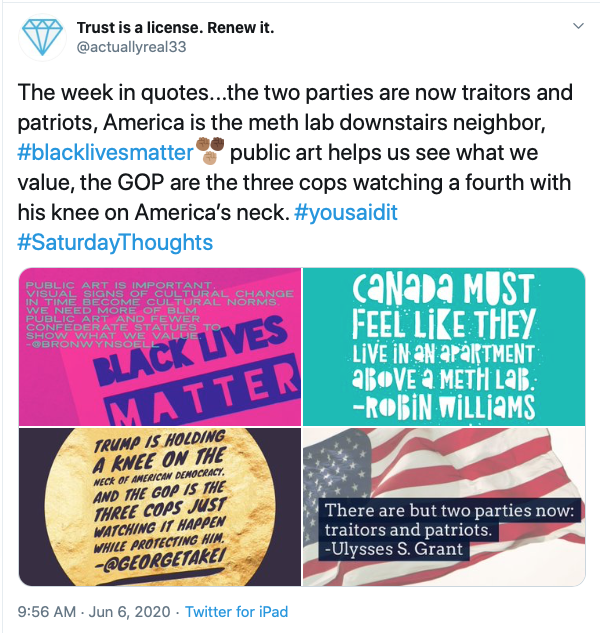
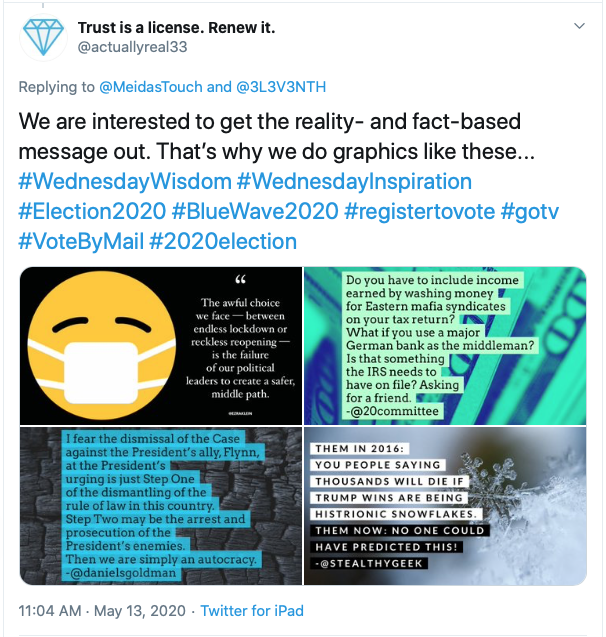
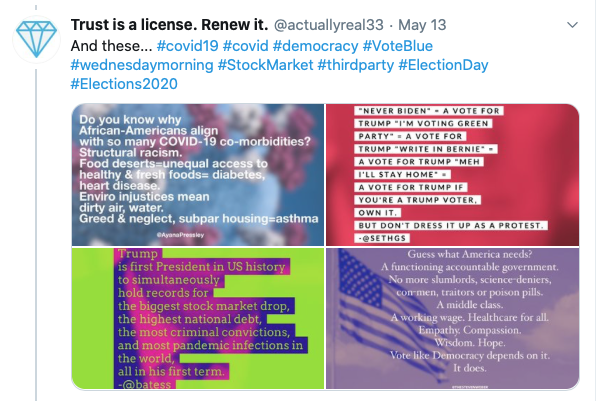

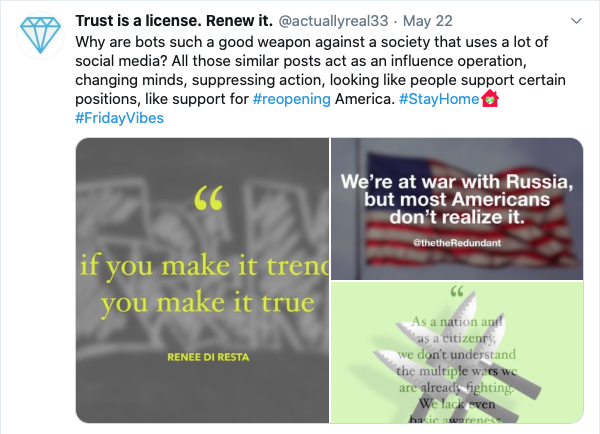


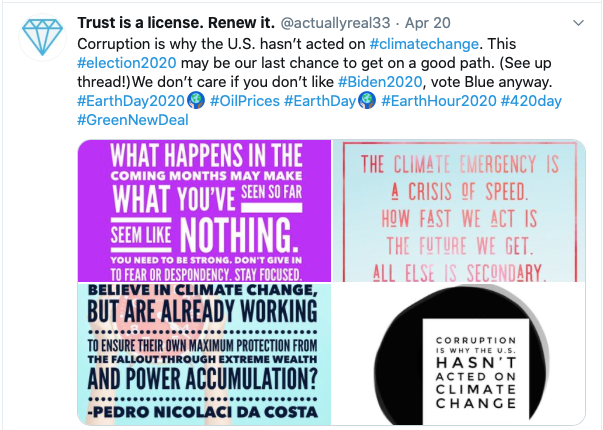
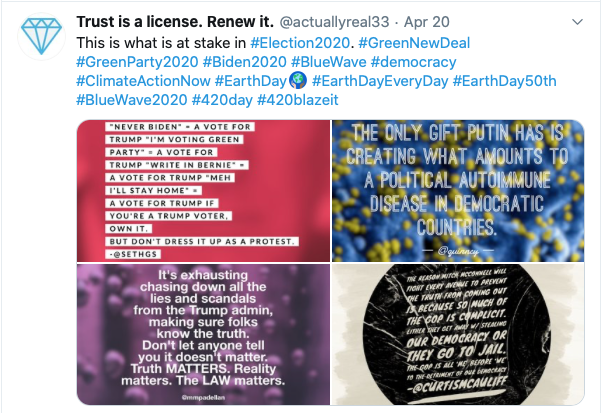
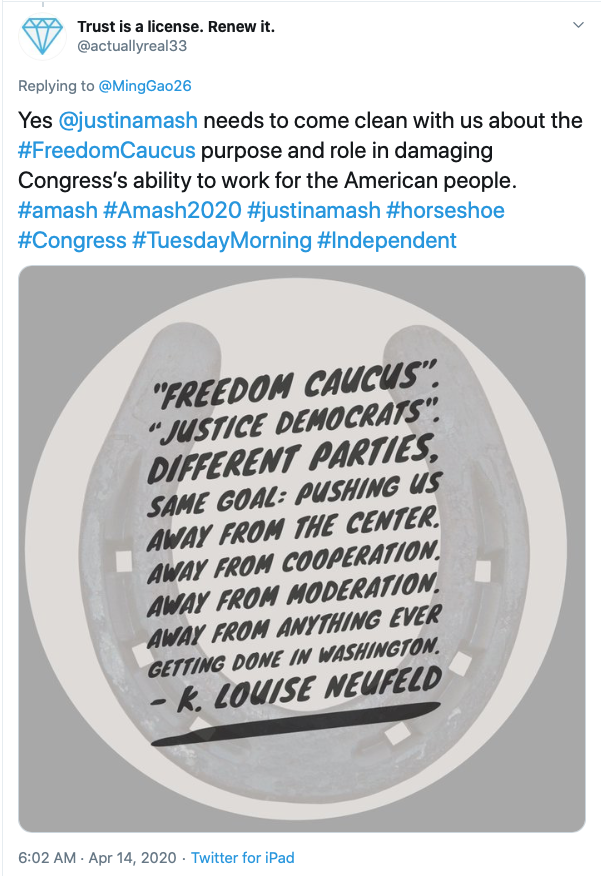
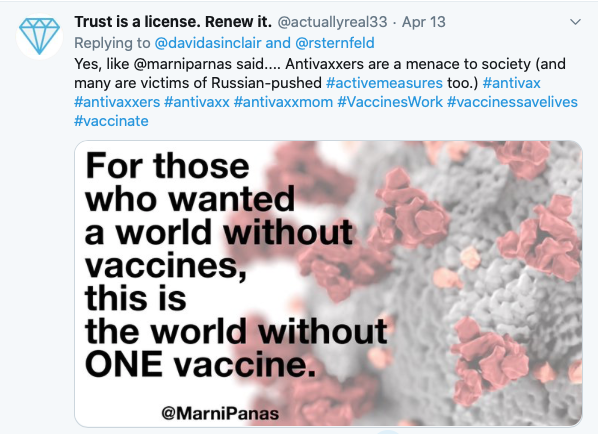
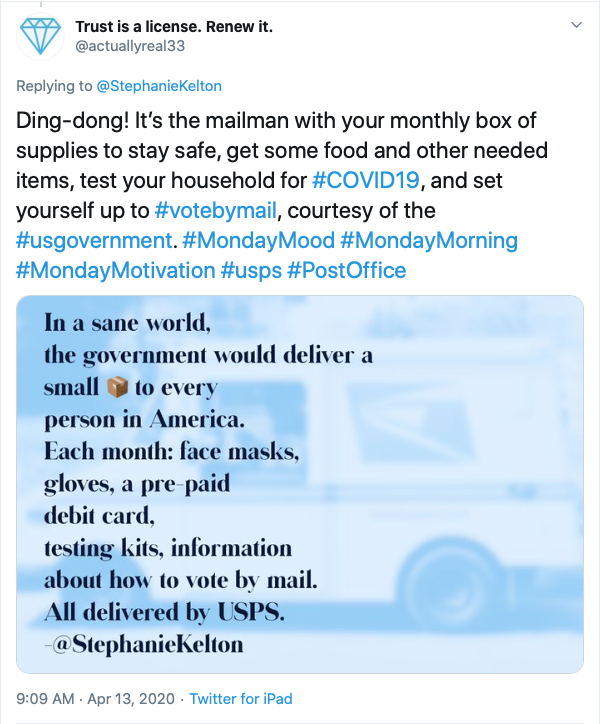
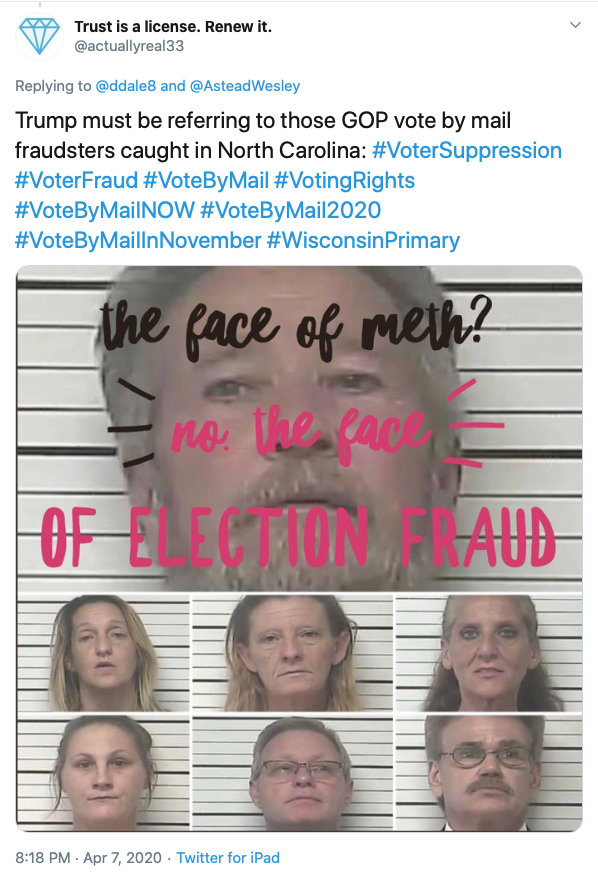

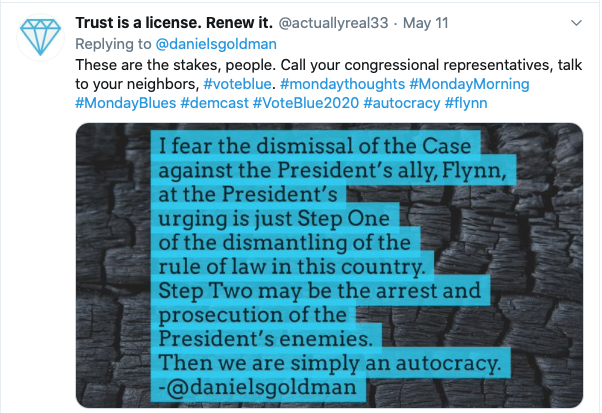


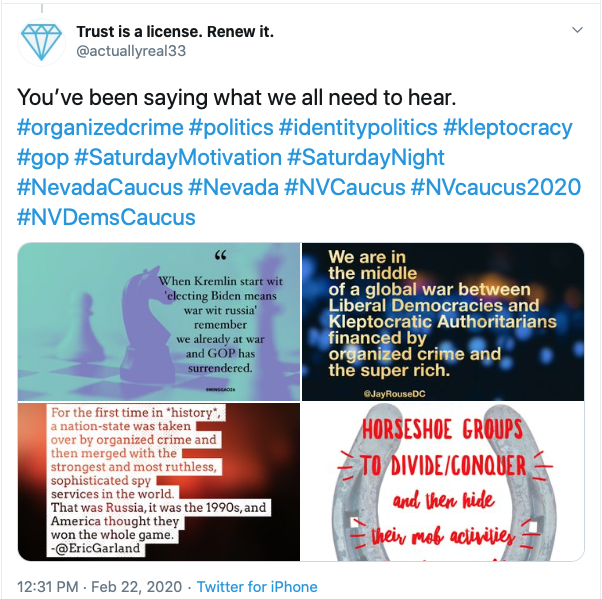
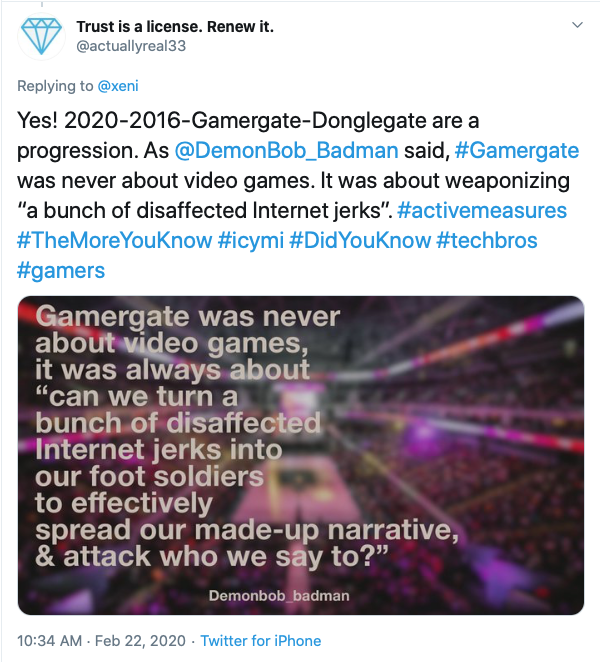
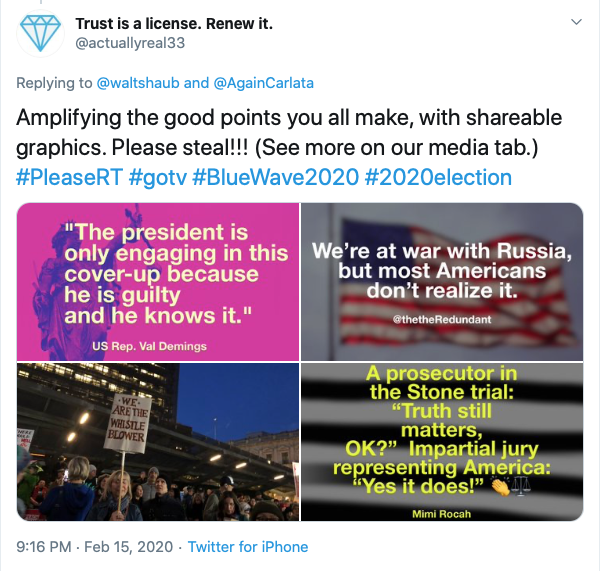


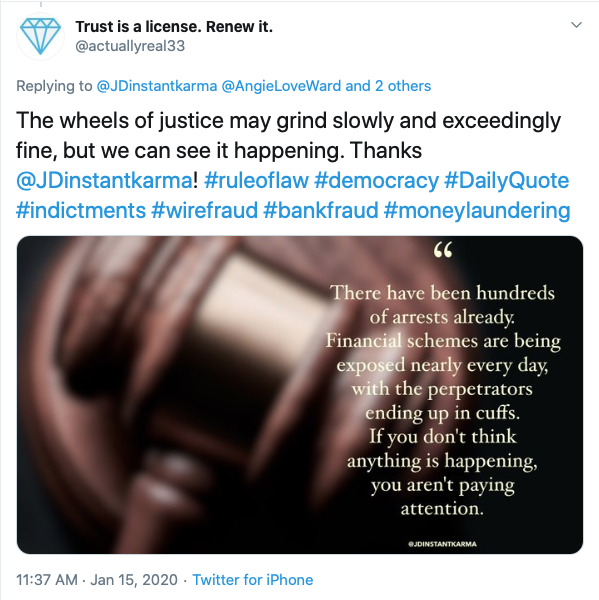
Scan some top tweets.

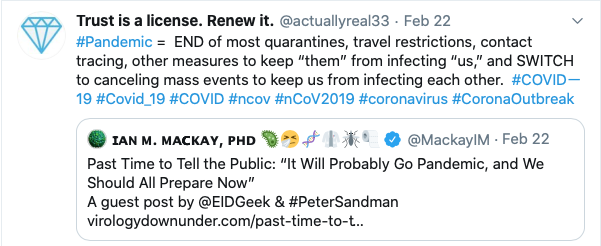
Or subscribe to our Substack newsletter (which we may start publishing on soon!):
Our advisor Craig Kornblau advises Google Ventures on the future of film in a streaming world
It's been wonderful for the past year and a half having Craig Kornblau advise our entertainment tech startup 10 BLOCK — and Google Ventures’ GV — on the intersection of the entertainment industry and the tech world. "The reason I decided to work with early-stage and growth companies is, having lived in big corporate America and big entertainment companies, it's really hard to find massive innovation in large companies. I think real innovation is going to come from small companies," he says in this interview about the future of film in a streaming world.

